With just three days remaining until the Milano-Cortina 2026 Winter Olympics opening ceremony, athletes are settling into Olympic villages while organizers work frantically to address last-minute infrastructure challenges and mounting criticism from international media about logistical preparations for what will be the most geographically dispersed Winter Games in Olympic history.
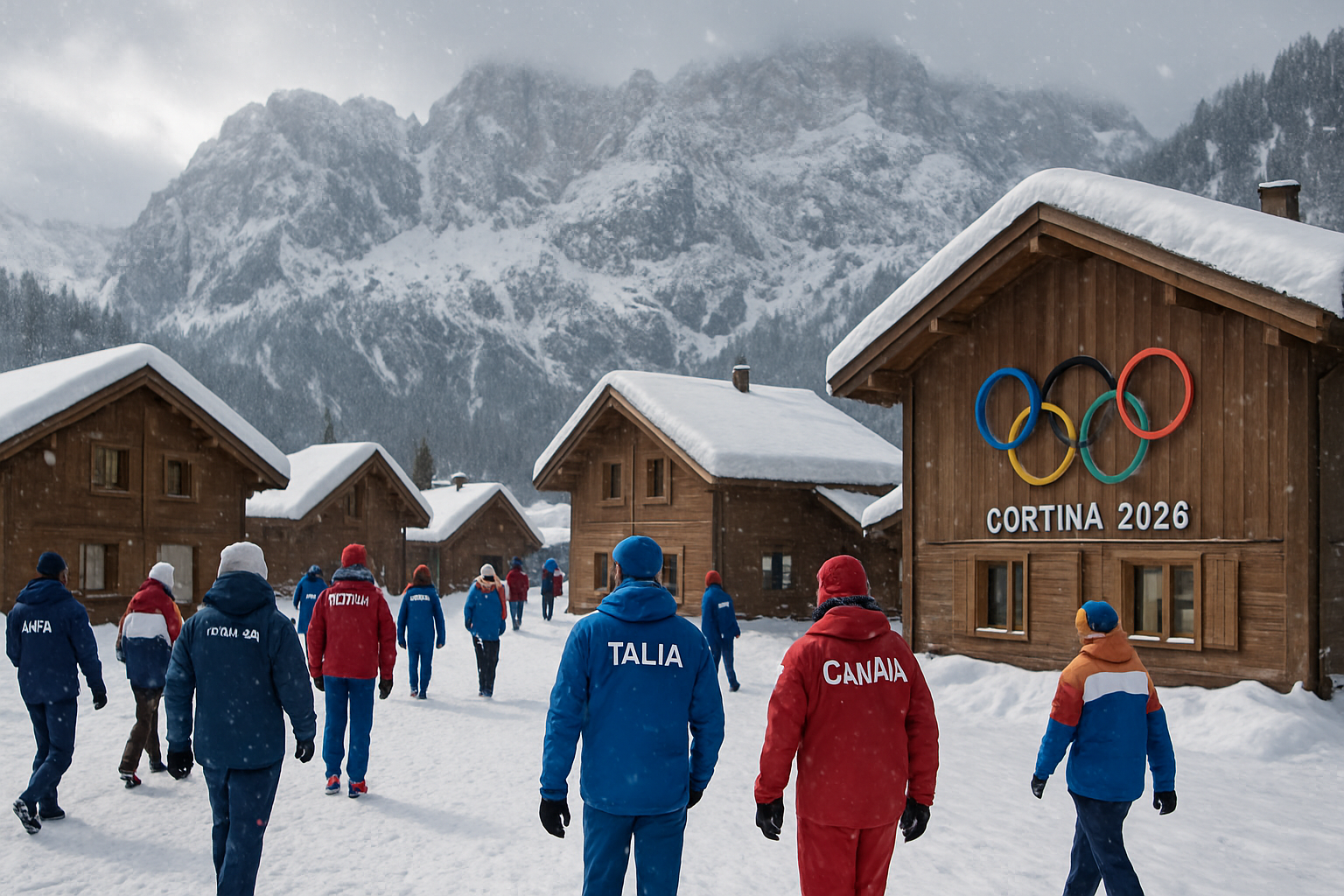
The Olympic villages in both Milan and Cortina d'Ampezzo officially welcomed athletes on Tuesday, February 3, with media gaining exclusive access to see the temporary homes for over 1,500 Olympic athletes, coaches, and team members. Snow fell steadily as athletes from around the world chatted at outdoor coffee stands, traded national team pins, and absorbed the dramatic atmosphere of the Dolomites in Cortina, where cabin-like structures provide accommodation against the backdrop of Italy's most iconic mountain range.
Infrastructure Concerns Persist Despite Imminent Opening
The most pressing concern remains the main ice hockey venue, which according to Swedish media reports still requires "frantic" work to meet Olympic standards. NHL representatives had previously threatened a boycott if ice quality standards weren't met, but Don Moffatt, the veteran ice maker responsible for his fifth Olympic Games, assured critics that the surface "will meet NHL quality standards."
International media scrutiny has intensified in recent days, with The New York Times labeling the Games a "logistical nightmare" due to the unprecedented geographic spread of venues across seven locations in northern Italy. German newspaper Bild has highlighted construction delays, while French media Le Monde has focused criticism on the environmental impact of extensive artificial snow production required across virtually all venues.
"The most geographically dispersed Winter Games ever presents unique challenges, but also showcases the beauty of northern Italy's Alpine region"
— IOC President Kirsty Coventry
Transportation remains a critical challenge, with the incomplete Apollonio-Socrepes cable car in Cortina forcing local school closures to ease transport management during the Games. Special shuttle services and enhanced public transit have been deployed to connect the seven venue sites, but concerns persist about athlete movement and spectator access.
Environmental and Sustainability Concerns
Environmental groups and scientists have raised significant concerns about the Games' ecological footprint, particularly regarding artificial snow production. French reporting indicates that artificial snow use will be "quasi-systematic" across Milano-Cortina venues, requiring substantial water and energy resources that have necessitated major infrastructure modifications criticized by environmental defenders.
The reliance on snow-making technology highlights the broader challenges facing winter sports in an era of climate change, with the 2026 Games requiring extensive artificial snow despite being held in traditionally snow-rich Alpine regions. This technological dependence has required significant modifications to mountain infrastructure, drawing criticism from conservation groups concerned about long-term environmental impact.
Olympic Village Innovation and Athlete Experience
Despite infrastructure challenges, the Olympic villages showcase innovative sustainable design features. The Milan facility accommodates over 1,500 participants with capacity expandable to 3,500, incorporating greenhouse spaces, sustainable wood materials, and what organizers call a "signature for peace" architectural concept designed to promote international harmony.
Athletes have begun personalizing their spaces, with Swedish media noting that some competitors have "adopted plants" as part of the village's green initiatives. The village atmosphere remains positive despite external pressures, with international pin trading and cultural exchange already underway as teams from dozens of nations prepare for competition.
Notable Athletes and Competitions
The Games will feature remarkable comeback stories, including 41-year-old American alpine skiing legend Lindsey Vonn, who suffered a complete ACL rupture in her left knee just days before the Olympics during a January 30 crash in Crans-Montana, Switzerland. Despite the devastating injury, Vonn declared at a February 3 press conference in Cortina that she will compete in the downhill event on February 8, representing one of the most dramatic Olympic determination stories in recent memory.
Competition begins February 5 with curling events, followed by women's downhill training on February 6, the same day as the opening ceremony at Milan's San Siro stadium. The Games will run through February 22, marking a historic return to the Alps after a 20-year absence.
Political and Cultural Significance
The 2026 Games represent significant cultural innovation, including the implementation of bilingual place names in the Alto Adige/South Tyrol region where two-thirds of residents speak German. This accommodation for the German-speaking population reflects Italy's commitment to regional cultural recognition during the international showcase.
New IOC President Kirsty Coventry, the 42-year-old Zimbabwean who assumed leadership in 2025, has acknowledged "bumpy" preparations while promising "unforgettable" Games. Her presidency marks the first time a Winter Olympics will be overseen by an African IOC leader, adding historical significance to the Italian event.
Italian President Sergio Mattarella participated in the 145th IOC session at Milan's Teatro alla Scala, emphasizing the Games' importance to Italian national pride and international relations. The event also drew Prince Albert II of Monaco, demonstrating continued royal patronage of the Olympic movement.
Cultural Elements and Mascots
The Games feature Milo and Tina, stoat mascots dubbed the "first openly Gen Z" Olympic mascots, designed to appeal to younger global audiences. These mascots represent a departure from traditional Olympic imagery, incorporating contemporary digital culture references and social media-friendly design elements.
Final Preparations and Outlook
Despite acknowledged challenges, organizers express confidence in delivering a successful Games experience. The extensive infrastructure investments, including venue modernization and transportation enhancements, are expected to provide lasting benefits for northern Italy's tourism and winter sports industries.
As athletes complete final training sessions and venue preparations enter their ultimate phase, the Milano-Cortina 2026 Winter Olympics promise to showcase both the enduring appeal of Alpine winter sports and the complex logistical realities of modern Olympic production. The success of these Games will likely influence future Olympic site selection and infrastructure planning, particularly regarding environmental sustainability and geographic venue distribution.
The opening ceremony at San Siro stadium on February 6 will mark the official beginning of what organizers hope will be remembered as a celebration of winter sports excellence despite the acknowledged preparation challenges that have drawn international scrutiny in the final days before competition begins.