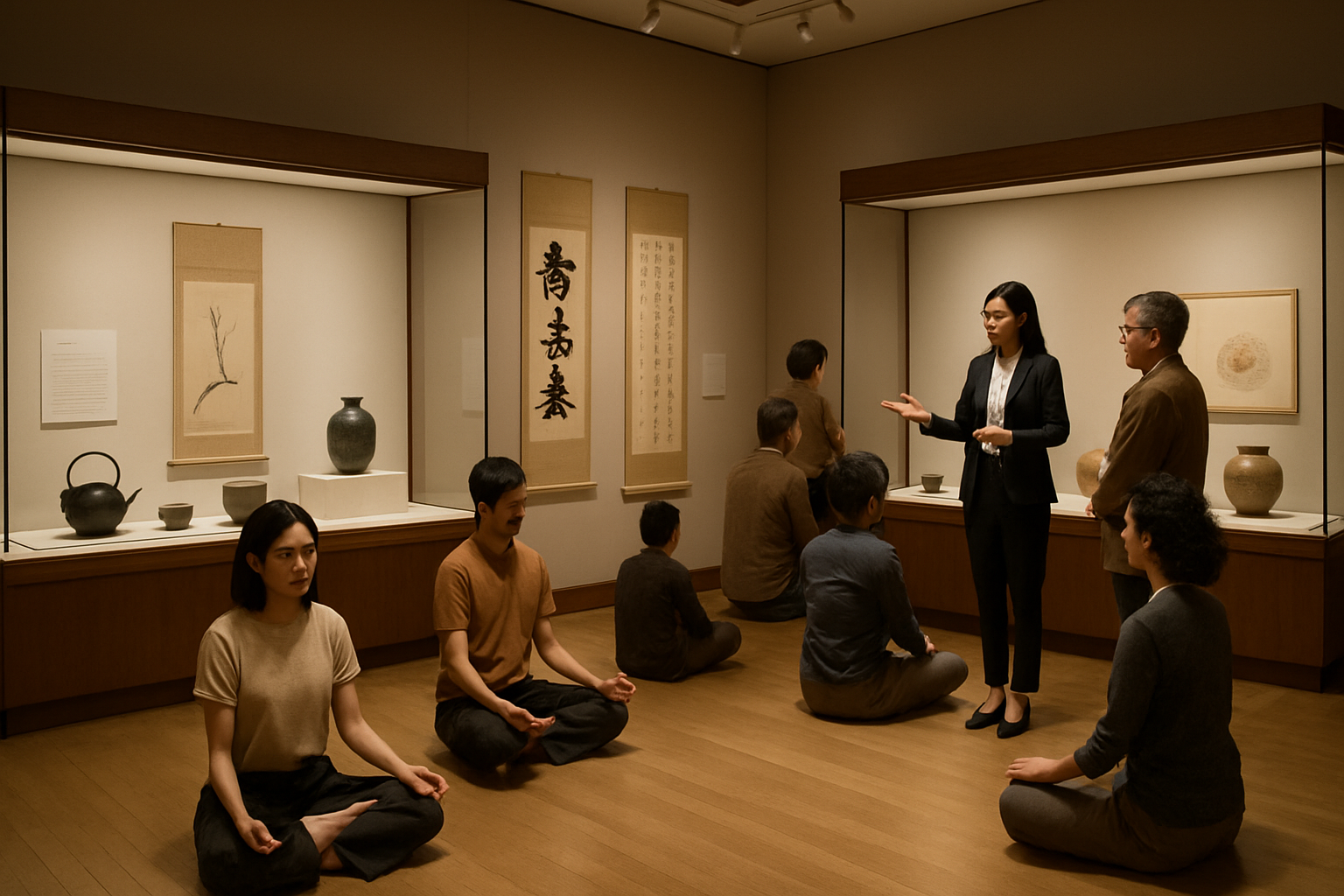
The Tikotin Museum of Japanese Art in Haifa has unveiled "From Dao to Dō – Spirit of the Way," a transformative exhibition that bridges ancient Japanese philosophical traditions with contemporary mindfulness practices, curated by renowned cultural expert Shir Meller-Yamaguchi.
This groundbreaking exhibition represents a significant milestone in the global cultural renaissance that has characterized February 2026, positioning Israel as a vital bridge between Eastern and Western cultural understanding. The exhibition comes at a time when museums worldwide are embracing innovative approaches to heritage presentation, following successful models from Azerbaijan's cultural diplomacy initiatives and Estonia's pioneering accessibility programs.
The Curator's Vision: Bridging Ancient Wisdom and Modern Life
Shir Meller-Yamaguchi brings unique credentials to this ambitious project, combining deep knowledge of Japanese cultural traditions with contemporary museum innovation. Her approach emphasizes the exhibition's central theme of "slowing down and appreciating life," reflecting broader global trends toward mindfulness-based cultural programming that has gained momentum across international institutions.
The exhibition's title, "From Dao to Dō," represents the philosophical journey from Chinese Daoist principles to Japanese "Dō" (way) traditions, encompassing tea ceremony (chadō), martial arts (budō), and artistic practice. This conceptual framework aligns with successful international exhibitions that have demonstrated the power of authentic cultural exchange, such as Qatar's comprehensive Afghan heritage presentation and Romania's Renaissance masterworks in Rome.
Mindfulness Through Material Culture
The exhibition showcases how Japanese material culture serves as a gateway to mindfulness practice, featuring traditional tea ceremony implements, calligraphy tools, and meditation objects. Visitors experience how each artifact embodies philosophical principles of presence, intention, and aesthetic refinement that define Japanese cultural approach to daily life.
Central to the exhibition is the matcha culture segment, which demonstrates how the preparation and consumption of traditional green tea powder represents a complete mindfulness practice. The curator has designed interactive elements allowing visitors to participate in abbreviated tea ceremony demonstrations, experiencing firsthand the meditative qualities of ritualized attention to simple actions.
This participatory approach reflects successful international trends in museum programming, similar to India's "Ekaa: The One" exhibition featuring 64 yoginis, which made ancient spiritual traditions accessible to contemporary audiences while maintaining sacred significance. The Haifa exhibition similarly balances cultural authenticity with educational accessibility.
Cultural Diplomacy and International Collaboration
The exhibition positions the Tikotin Museum as part of Israel's broader cultural diplomacy efforts, demonstrating how cultural institutions can serve as bridges between different civilizations. This aligns with documented patterns from the February 2026 Cultural Renaissance, where nations have used sophisticated cultural programming to strengthen international relationships while preserving authentic heritage presentation.
The timing coincides with growing global recognition of mindfulness practices as essential components of mental health and community well-being. Recent developments in youth wellness initiatives across Guyana and Armenia have demonstrated the power of culturally-grounded approaches to mental health education, providing context for the Haifa exhibition's broader significance.
Technology and Tradition: A Balanced Approach
Following successful models from Singapore's WonderBot 2.0 AI-powered cultural education system and Czech Republic's innovative digital art integration, the Tikotin exhibition employs technology to enhance rather than replace traditional cultural experiences. Digital displays provide contextual information about Japanese philosophical concepts while preserving the contemplative atmosphere essential to mindfulness practice.
The exhibition includes audio guides available in multiple languages, ensuring accessibility for Haifa's diverse international community. This multilingual approach reflects broader trends in cultural inclusivity, similar to Romania's Brâncuși exhibition in Rome, which provided free admission for Romanian and Moldovan citizens while offering comprehensive international accessibility.
Economic and Educational Impact
The exhibition represents significant investment in cultural infrastructure, generating employment across curatorial, educational, and hospitality sectors while attracting international visitors to the Haifa region. Cultural tourism studies from the broader February 2026 period demonstrate substantial economic multiplier effects from authentic cultural programming, including hotel occupancy increases, retail sales growth, and long-term cultural partnerships.
Educational partnerships with local schools and universities ensure the exhibition's impact extends beyond immediate visitor experiences. The mindfulness components align with growing educational emphasis on wellness literacy, reflecting successful programs implemented across Finland and other European nations prioritizing student mental health and cultural understanding.
Global Context: Part of a Worldwide Cultural Movement
The Haifa exhibition occurs within a remarkable period of international cultural renaissance characterized by unprecedented cooperation and innovation. From Kazakhstan's archaeological discoveries to Malta's contemporary art programming, February 2026 has witnessed coordinated global efforts to make cultural heritage accessible while maintaining authenticity.
The exhibition's success contributes to documented trends showing culture positioned as strategic infrastructure equivalent to transportation and communication systems. Communities worldwide recognize that cultural institutions serve essential functions in community bonding, economic development, international diplomacy, and individual well-being.
Implementation and Community Response
Early visitor feedback indicates strong community engagement with the exhibition's mindfulness components, particularly among young adults seeking authentic approaches to stress reduction and cultural understanding. The exhibition's design allows for quiet contemplation while accommodating educational group visits, demonstrating sophisticated crowd management techniques learned from successful international implementations.
Community workshops accompanying the exhibition include matcha preparation classes, basic meditation instruction, and Japanese calligraphy introduction sessions. These programs reflect successful models from cultural institutions across Europe and Asia that have demonstrated the power of hands-on cultural education in building lasting appreciation for artistic traditions.
Future Implications and Legacy
The "From Dao to Dō" exhibition establishes templates for future cultural programming that successfully integrates spiritual practice with museum education. Its approach may influence other institutions seeking to present contemplative traditions in accessible, authentic formats that respect source cultures while serving diverse audiences.
The exhibition's success demonstrates Israel's growing role as a cultural bridge between Eastern and Western traditions, contributing to broader regional efforts at cultural understanding and peaceful exchange. This aligns with successful diplomatic initiatives across multiple continents that have used cultural programming to strengthen international relationships while celebrating authentic heritage.
As the exhibition continues through its planned run, it represents part of a global movement toward recognizing culture as essential community infrastructure requiring investment, innovation, and international cooperation. The Tikotin Museum's achievement provides a model for other institutions seeking to honor traditional wisdom while addressing contemporary needs for mindfulness, cultural understanding, and community connection in an increasingly complex world.