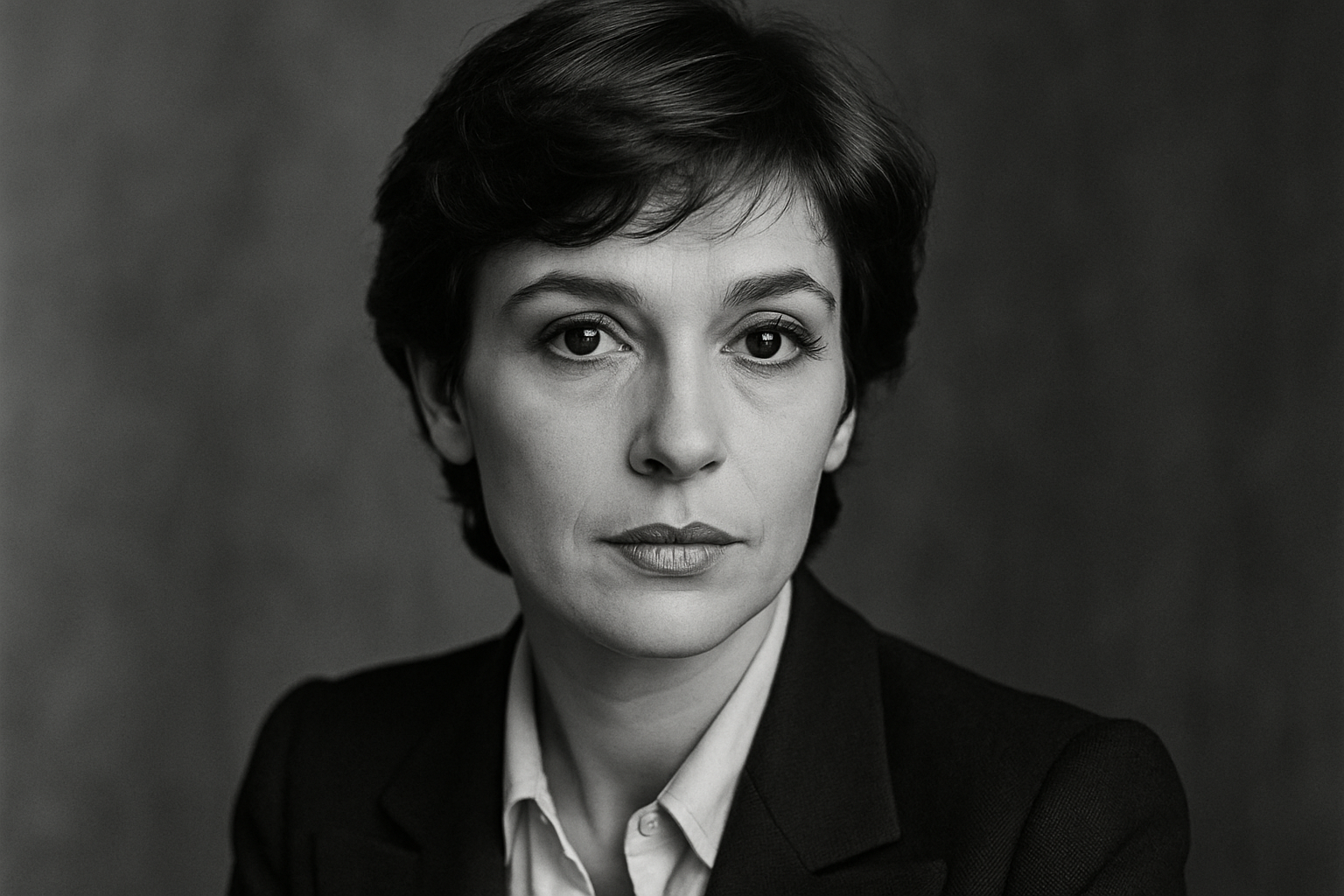
Nathalie Baye, the celebrated French actress who captivated audiences for five decades and won four prestigious César Awards, died Friday evening at her Paris home at age 77, her family announced Saturday.
The legendary performer, who starred in approximately 80 films throughout her illustrious career, had been battling Lewy body disease, a progressive neurodegenerative condition that affects thinking, memory, and movement. Her family confirmed the death to Agence France-Presse on Saturday morning.
A Career Spanning Five Decades
Baye emerged as an emblematic figure in French cinema, transitioning from her early career as a dancer to become one of France's most respected actresses in the 1970s. Her breakthrough came during the height of the French New Wave movement, where she worked with legendary directors including François Truffaut, Claude Chabrol, and Bertrand Blier.
The actress achieved remarkable success at the César Awards, France's equivalent to the Oscars, winning the Best Actress award four times, including three consecutive years from 1981 to 1983. This unprecedented achievement established her as a dominant force in French cinema and demonstrated her exceptional range across different roles and genres.
International Recognition
While deeply rooted in French cinema, Baye gained international recognition through her work with acclaimed directors worldwide. Most notably, she appeared in Steven Spielberg's 2002 thriller "Catch Me If You Can," starring alongside Leonardo DiCaprio and Tom Hanks, introducing her talent to global audiences.
Her versatility as an actress allowed her to transition seamlessly between leading and supporting roles, portraying characters ranging from bourgeois to working-class, and moving effortlessly between comedy and drama. This adaptability made her a sought-after performer across different types of productions.
Political and Cultural Tributes
Following the announcement of her death, tributes poured in from across the political and cultural spectrum. French President Emmanuel Macron praised Baye as "a comedian with whom we have loved, dreamed, and grown," acknowledging her profound impact on French culture and society.
Catherine Pégard, President of the Palace of Versailles, rendered homage to what she called "an immense actress," highlighting Baye's contribution to French artistic heritage. The outpouring of grief from colleagues, critics, and fans demonstrated the deep respect she commanded within the industry.
Battle with Lewy Body Disease
Baye's final years were marked by her struggle with Lewy body disease, a neurodegenerative condition that can alter mood and movement while causing hallucinations. The disease represents one of the most challenging forms of dementia, affecting millions worldwide and highlighting the ongoing need for research into neurodegenerative conditions.
Despite her illness, Baye's legacy remained intact through her extensive filmography, which showcased her dedication to artistic integrity and professional excellence throughout her career. Her approach to acting influenced generations of performers who followed in her footsteps.
Legacy in French Cinema
Baye's death marks the end of a golden era in French cinema, representing a bridge between the revolutionary French New Wave movement and contemporary filmmaking. Her career template demonstrated how actors could maintain artistic integrity while working across different production types and maintaining relevance across multiple decades.
Her work with directors like Xavier Dolan in more recent years showed her continued commitment to innovative storytelling and her willingness to adapt to changing cinematic landscapes. This adaptability made her a role model for actors seeking longevity in an increasingly competitive industry.
The timing of her death during what has been termed the "2026 Cultural Renaissance" period adds particular poignancy to her passing, as the French film industry continues to evolve while honoring its distinguished heritage.
A National Treasure
Throughout her career, Baye represented the best of French cinema – sophisticated, emotionally resonant, and culturally significant. Her four César Awards placed her among the most honored performers in French film history, while her international work demonstrated the universal appeal of authentic artistic expression.
Her influence extended beyond her performances, as she became a symbol of French cultural sophistication and artistic excellence. Young actors and filmmakers frequently cited her as an inspiration, praising her commitment to craft and her ability to bring depth and nuance to every role.
As the French film industry mourns this tremendous loss, Baye's extensive body of work ensures that her contribution to cinema will continue to inspire future generations. Her death represents not just the loss of a talented performer, but the end of an era that helped define modern French cinema and its place in global culture.