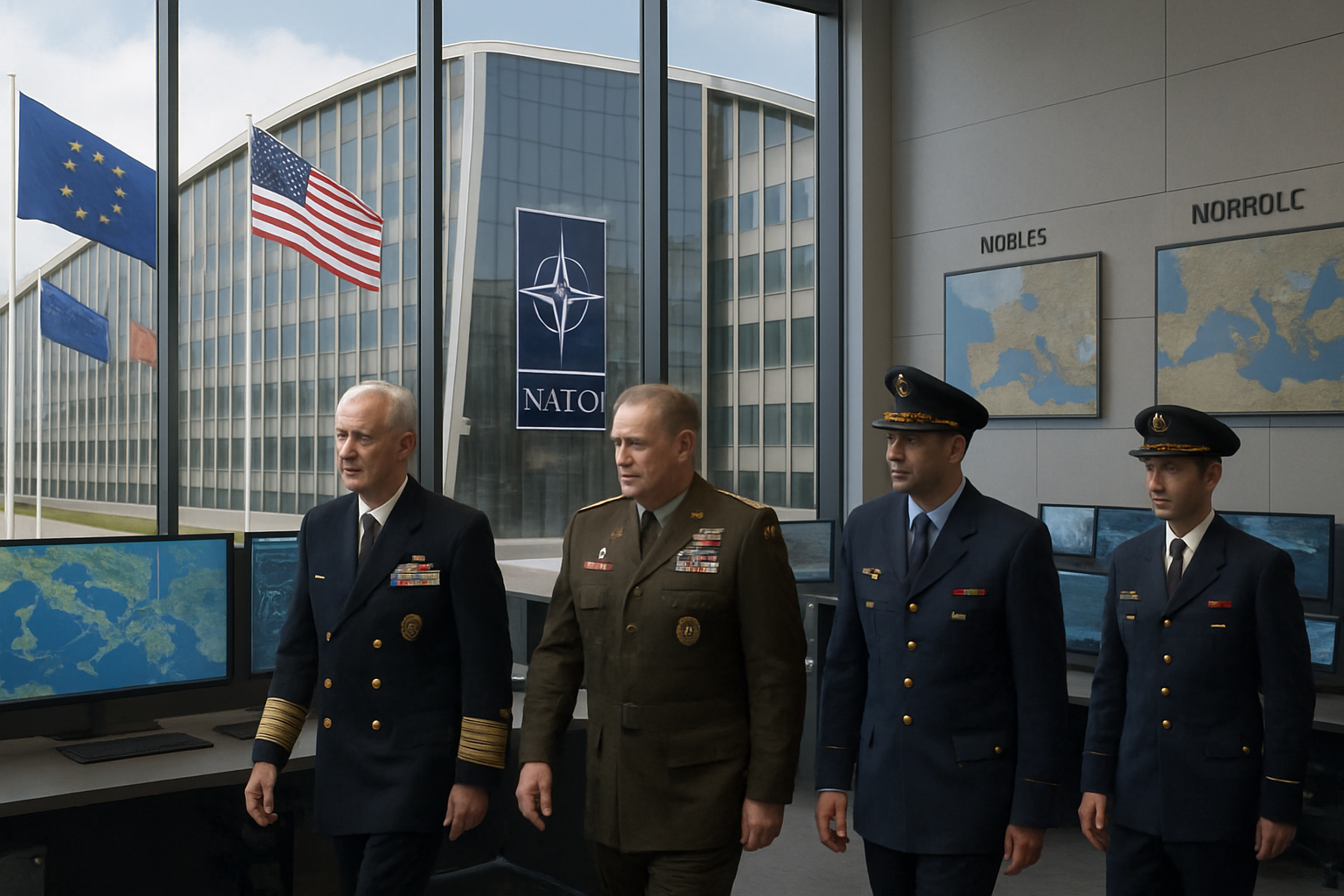
The United States has announced it will transfer control of two critical NATO command posts to European allies, marking a significant shift in alliance leadership structure as part of broader burden-sharing efforts within the transatlantic security organization.
According to reports from multiple alliance sources, the US will relinquish command of the Joint Forces Command in Naples, Italy, and the Joint Forces Command Norfolk in Virginia, which oversees North Atlantic operations including the recently integrated Scandinavian defense arrangements. This restructuring represents one of the most substantial changes to NATO's command architecture in decades.
Strategic Command Realignment
The transfer involves two of NATO's most strategically important operational commands. The Naples-based Joint Forces Command South has traditionally overseen Mediterranean operations and partnerships with Middle Eastern and African nations, while Norfolk's Joint Forces Command has responsibility for safeguarding transatlantic sea lanes and coordinating with newly integrated Nordic partners following recent alliance expansions.
In what appears to be a carefully orchestrated realignment, the United States will simultaneously assume command of NATO's maritime forces currently based in the United Kingdom, according to diplomatic sources familiar with the arrangements. This transition reflects evolving strategic priorities and the alliance's adaptation to contemporary security challenges.
European Leadership Integration
The decision to place European officers in command of these critical positions signals a maturing of the alliance's leadership structure. European allies have increasingly called for greater responsibility within NATO's operational framework, particularly as defense spending among European members has steadily increased over recent years.
This command restructuring comes amid ongoing diplomatic efforts to strengthen alliance cohesion, including the recent trilateral peace negotiations in Abu Dhabi involving Ukraine, Russia, and the United States. The timing suggests a broader recalibration of transatlantic security arrangements as global strategic dynamics continue to evolve.
"The transfer represents a natural evolution of alliance burden-sharing, reflecting the increased capabilities and commitments of our European partners."
— Senior NATO Official
Operational Implications
The Naples command has historically played a crucial role in Mediterranean security operations, counterterrorism efforts, and partnerships with North African nations. Its transfer to European leadership may enhance regional coordination while maintaining operational effectiveness through established alliance procedures.
The Norfolk command's oversight of North Atlantic operations has gained particular importance following Finland and Sweden's NATO accession, bringing new strategic responsibilities for Arctic and Baltic Sea security. European command of this post may facilitate closer integration with Nordic military structures and enhance regional defense planning.
Alliance Burden-Sharing Evolution
This restructuring reflects longstanding American calls for European allies to assume greater responsibility for regional security. The move addresses persistent concerns about equitable burden-sharing within the alliance while maintaining unified command structures essential for collective defense.
The transfer also demonstrates NATO's adaptability in addressing contemporary security challenges, from hybrid warfare threats to cyber operations and space-based defense systems. European leadership of these commands may accelerate development of specialized capabilities within the alliance framework.
Strategic Context and Timing
The announcement comes during a period of significant geopolitical realignment, with ongoing conflicts in Eastern Europe testing alliance solidarity and effectiveness. The command transfers may strengthen European investment in defense capabilities while ensuring continued American commitment to transatlantic security.
Recent developments, including enhanced defense cooperation agreements and increased military spending among European allies, have created conditions favorable for this leadership transition. The move may also reflect broader strategic adjustments as the alliance prepares for long-term security challenges in multiple domains.
Implementation and Timeline
While specific timelines for the command transfers remain under discussion, alliance officials indicate the transitions will be carefully managed to ensure operational continuity. The restructuring will likely involve extensive coordination between outgoing American and incoming European leadership teams to maintain mission effectiveness.
The maritime command transfer to the United Kingdom represents a parallel adjustment that may strengthen NATO's naval capabilities in critical sea lanes connecting North America and Europe. This arrangement could enhance alliance maritime security while optimizing command structures for contemporary operational requirements.
As NATO continues adapting to evolving security challenges, these command transfers represent a significant milestone in alliance evolution, demonstrating both American confidence in European capabilities and European readiness to assume greater leadership responsibilities within the world's most successful military alliance.