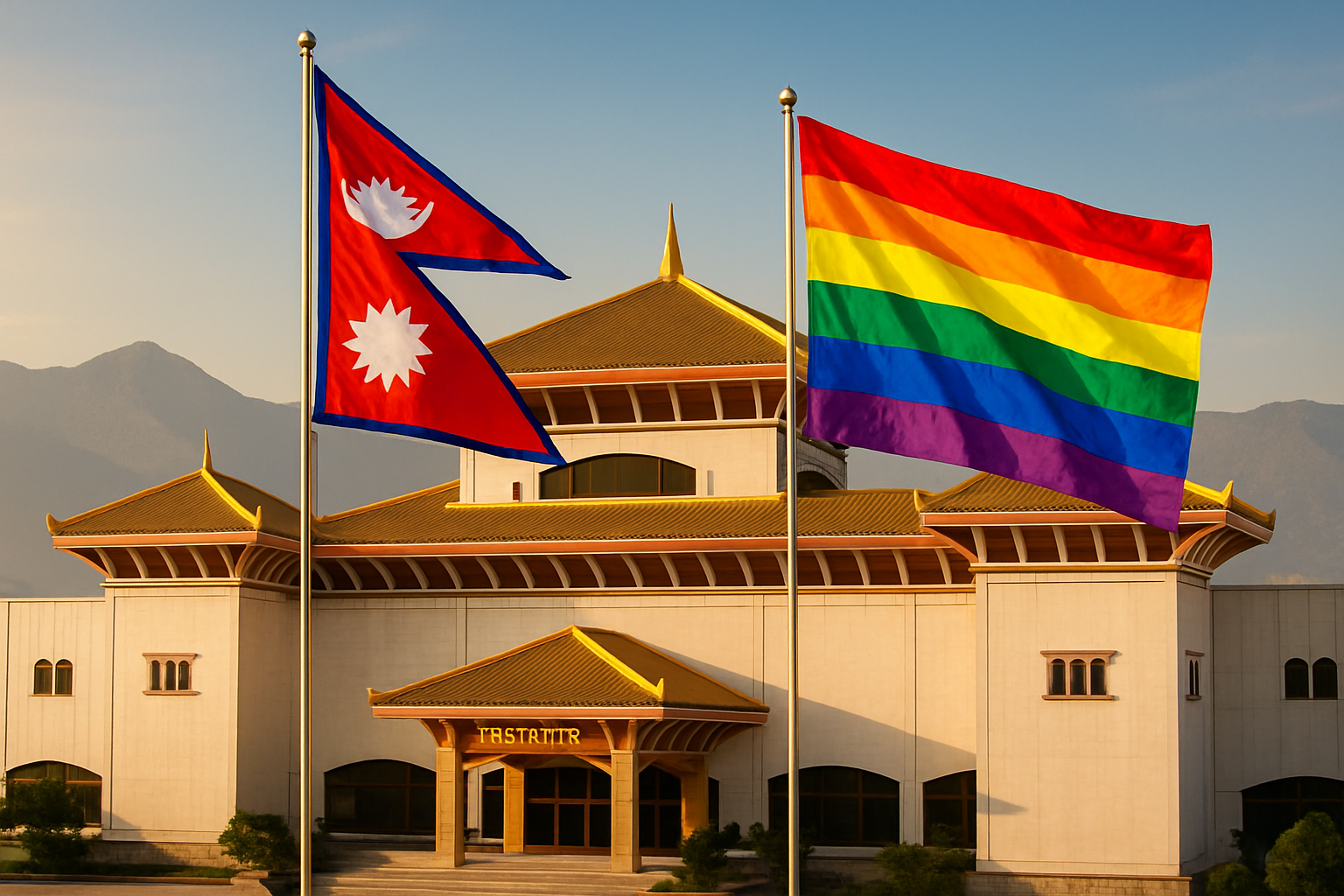
In a historic moment for Nepal's LGBTQ+ community, Bhumika Shrestha was confirmed Monday as the country's first transgender woman lawmaker, creating a groundbreaking precedent for gender equality and political representation across South Asia.
The 37-year-old LGBTQ+ rights advocate was draped in traditional garlands as Nepal's Election Commission officially confirmed her appointment as a proportional representation MP from the centrist Rastriya Swatantra Party (RSP), which secured a parliamentary majority with 182 seats in recent elections.
"I am very excited but also feel the responsibility on my shoulders," Shrestha told reporters following the historic confirmation. "Our community has waited decades for this moment, and I understand the weight of representing not just my constituents, but transgender people across Nepal and beyond."
Breaking Barriers in Conservative Society
Shrestha's appointment represents a seismic shift in Nepal's traditionally conservative political landscape, where LGBTQ+ individuals have historically faced significant discrimination and marginalization. Her elevation to parliament comes at a time when transgender rights are gaining unprecedented global attention, with advocates worldwide pushing for greater political representation and legal protections.
The milestone occurs against the backdrop of varying global progress on LGBTQ+ rights. While some countries have made significant advances - such as Chile's Supreme Court ruling in February 2026 ordering national health services to reconsider fertility assistance access for lesbian couples - others have moved in the opposite direction, with Ghana's parliament passing restrictive anti-LGBTQ+ legislation that would criminalize such advocacy with severe penalties.
Nepal's Progressive Constitutional Framework
Nepal has emerged as a regional leader in LGBTQ+ rights recognition, with its 2015 constitution including provisions for gender and sexual minorities. The country's Supreme Court has previously issued progressive rulings on LGBTQ+ issues, including landmark decisions recognizing same-sex relationships and transgender rights.
Legal experts note that Nepal's approach contrasts sharply with several neighboring countries where LGBTQ+ individuals continue to face legal persecution and social ostracism. The Philippines Supreme Court ruled in February 2026 that same-sex couples may be considered co-owners of properties under the Family Code, representing another significant Southeast Asian advancement, while other regional governments maintain restrictive policies.
"Nepal's leadership in LGBTQ+ rights recognition provides a powerful example for other South Asian nations. Bhumika's appointment demonstrates that political representation can translate constitutional promises into lived reality."
— International Human Rights Advocate
Personal Journey of Advocacy
Shrestha's path to parliament reflects years of dedicated activism for transgender rights and gender equality. As a prominent LGBTQ+ advocate, she has worked tirelessly to raise awareness about the challenges facing Nepal's transgender community, including discrimination in employment, healthcare access, and legal recognition.
Her appointment through the proportional representation system demonstrates how electoral mechanisms can facilitate greater inclusion of marginalized communities in democratic governance. The RSP's decision to include Shrestha on their candidate list reflects growing recognition among mainstream political parties that diversity strengthens democratic representation.
Regional Context and International Significance
The historic appointment takes place during a period of mixed global progress on LGBTQ+ rights. February 2026 saw both victories and setbacks: while Chile advanced reproductive rights for lesbian couples and the Philippines expanded same-sex property rights, Ghana moved toward criminalizing LGBTQ+ advocacy and activism.
International human rights organizations have documented concerning trends in some regions, with activists facing increased persecution and legal restrictions. This makes Nepal's progressive step particularly significant as a counterexample of how democratic institutions can advance rather than restrict minority rights.
Comparative Regional Progress
Nepal's milestone stands in stark contrast to restrictive approaches in some neighboring countries. While India has made some legal advances for LGBTQ+ individuals, including decriminalizing homosexuality in 2018, political representation remains limited. Bangladesh and Pakistan continue to maintain more restrictive legal frameworks, making Nepal's leadership particularly noteworthy.
Challenges and Responsibilities Ahead
Despite the celebratory atmosphere surrounding her confirmation, Shrestha acknowledges the significant challenges that lie ahead. As the first transgender woman in Nepal's parliament, she will face intense scrutiny and carry the hopes of an entire community seeking greater recognition and protection.
"I understand that my presence in parliament is just the beginning," Shrestha explained. "We must work to ensure that legal protections translate into real improvements in the daily lives of LGBTQ+ individuals across Nepal."
Experts note that political representation, while crucial, must be accompanied by comprehensive policy reforms addressing healthcare access, employment discrimination, and social acceptance. The transgender community in Nepal continues to face significant obstacles in accessing basic services and opportunities.
Legislative Priorities and Policy Agenda
Parliamentary observers expect Shrestha to champion legislation addressing specific challenges facing Nepal's LGBTQ+ community. Priority areas likely include healthcare access improvements, anti-discrimination employment protections, and educational initiatives promoting understanding and acceptance.
The broader context of global LGBTQ+ advocacy suggests that Nepal's progressive approach could influence regional policy development. As countries across South Asia grapple with questions of minority rights and democratic inclusion, Nepal's example may provide a roadmap for peaceful, democratic advancement of LGBTQ+ equality.
International Recognition and Support
International human rights organizations have praised Nepal's historic appointment as evidence of the country's commitment to inclusive democratic governance. The milestone has attracted attention from LGBTQ+ advocacy groups worldwide, who see Shrestha's elevation as inspiration for similar efforts in their own countries.
Diplomatic observers note that Nepal's progressive stance on LGBTQ+ rights enhances its international reputation and aligns with global trends toward greater inclusion and equality. This could have positive implications for Nepal's international relationships and development partnerships.
"This historic moment demonstrates that when democratic institutions embrace diversity, they become stronger and more representative. Nepal is showing the world what inclusive governance looks like in practice."
— Regional Political Analyst
Community Response and Celebration
Nepal's LGBTQ+ community has responded to Shrestha's appointment with jubilation and hope. Community organizations that have long advocated for greater political representation see this as validation of their efforts and a sign that meaningful change is possible through democratic processes.
Local advocacy groups are organizing celebrations while also emphasizing the continued work needed to achieve full equality. The appointment is seen as a powerful symbol, but activists stress that systemic change requires sustained effort across multiple fronts.
Looking Forward: Implications for Democracy
Shrestha's historic appointment represents more than just LGBTQ+ progress - it demonstrates how democratic institutions can evolve to become more inclusive and representative. Her presence in parliament challenges traditional notions of political leadership while affirming that democracy works best when it includes voices from all segments of society.
Political scientists note that diverse representation strengthens democratic governance by bringing different perspectives to policy-making and ensuring that legislative priorities reflect the full spectrum of citizen experiences and needs.
As Nepal's parliament convenes for its new session, all eyes will be on how this historic milestone translates into concrete policy advances for LGBTQ+ rights and broader social inclusion. The appointment marks not an endpoint, but rather the beginning of a new chapter in Nepal's journey toward full equality and democratic representation for all its citizens.
The global significance of this moment extends far beyond Nepal's borders, offering hope to LGBTQ+ communities worldwide that political representation and legal recognition remain achievable goals through sustained advocacy and democratic engagement. As Shrestha takes her oath of office, she carries with her the aspirations of millions who believe in the transformative power of inclusive democracy.