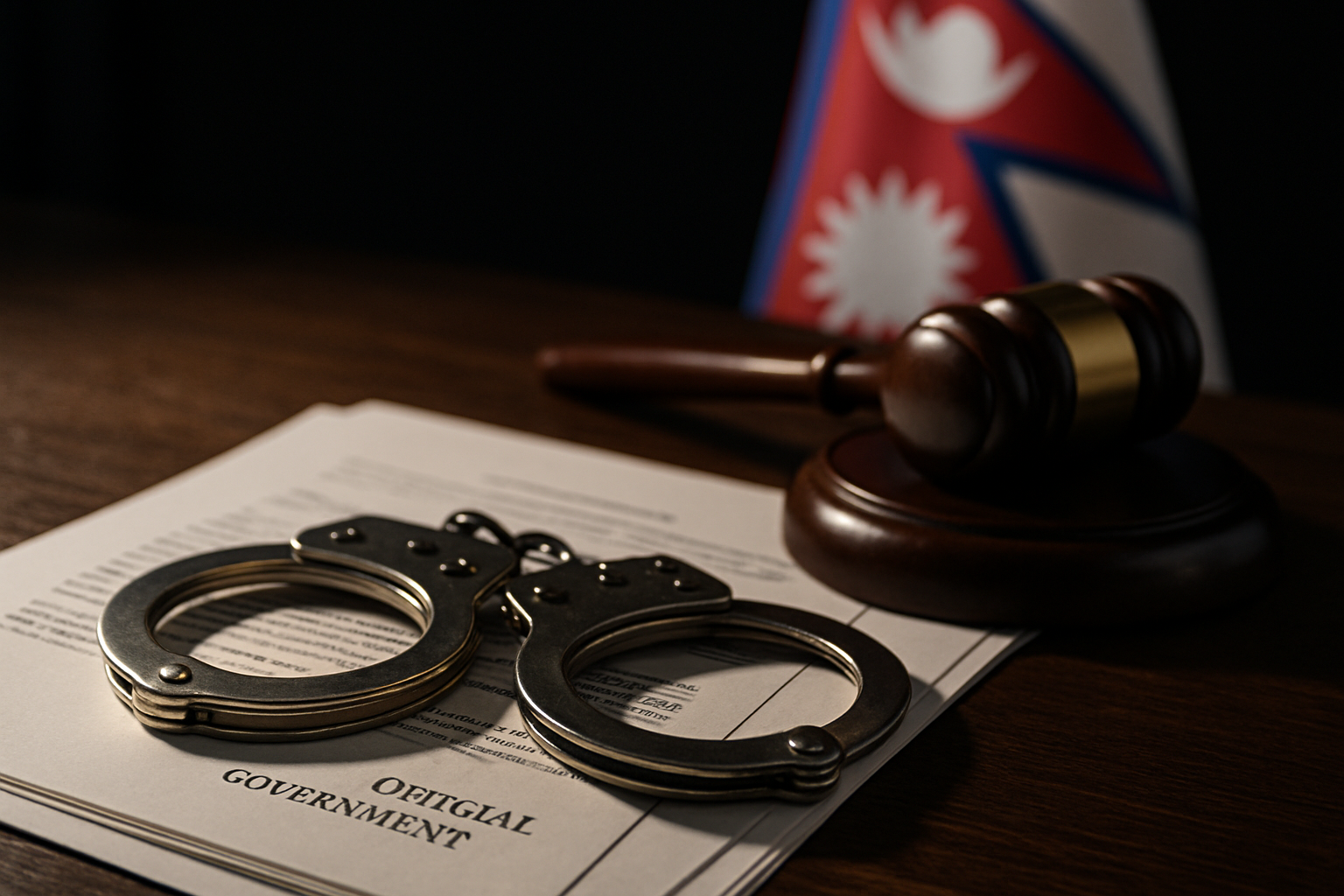
Nepal's political landscape was shaken to its core on Saturday as authorities arrested former Prime Minister K.P. Sharma Oli and ex-home minister Ramesh Lekhak over their alleged role in the deadly crackdown on Generation Z protesters that toppled their government in September 2025.
The arrests, announced just one day after the new government's oath-taking ceremony, represent the most dramatic accountability measure taken since the youth-led uprising that fundamentally transformed Nepal's political order. The move signals the new administration's commitment to investigating the violence that left 77 protesters dead and over 2,000 injured during the historic demonstrations.
From Street Protests to Government Action
The September 2025 protests began as opposition to social media restrictions but quickly evolved into a broader anti-corruption movement that captured the frustrations of Nepal's youth. What started as digital rights activism transformed into the largest political upheaval in Nepal's modern democratic history, ultimately forcing Oli's resignation and paving the way for sweeping electoral change.
Former rapper and Kathmandu mayor Balendra "Balen" Shah emerged from these protests as a political force, leading his Rastriya Swatantra Party (RSP) to a decisive victory in March 2026 elections. The 35-year-old's journey from hip-hop artist to prime minister embodied the generational shift that defined Nepal's democratic renewal.
"This is not about revenge—this is about justice for those who died demanding nothing more than basic rights and accountability,"
— Source close to the new government
The Crackdown That Changed Everything
The violence during the September protests was unprecedented in Nepal's recent history. Security forces, under then-Home Minister Lekhak's oversight, used live ammunition and excessive force against largely peaceful demonstrators. The death toll of 77, with over 2,000 injured, shocked a nation that had grown accustomed to resolving political disputes through institutional means.
International observers documented systematic violations of protest rights, including the use of banned tear gas canisters, indiscriminate beatings, and the targeting of medical personnel treating injured protesters. These actions became a rallying point for the opposition movement and contributed to the eventual collapse of popular support for Oli's government.
A New Government's Bold First Move
Saturday's arrests represent a calculated risk by the Shah administration, coming just hours after the new cabinet was sworn in. The timing suggests the new government views accountability for past violence as an essential foundation for its democratic mandate, despite potential political complications.
The arrests were conducted by Nepal Police in coordination with the Attorney General's office, which had been preparing cases against former officials since the transitional government took power. Sources indicate that additional arrests may follow as investigations continue into the chain of command responsible for authorizing the use of lethal force.
International and Domestic Reactions
The international community, which had closely monitored Nepal's democratic transition following the September uprising, generally welcomed the accountability measures. The arrests align with international calls for justice that emerged during the protest period, when diplomatic pressure mounted on the Oli government to end the violence.
Domestically, reactions split along predictable lines. Supporters of the new government hailed the arrests as fulfilling campaign promises for justice, while Oli's Nepal Communist Party denounced them as "political persecution." The move tests the new administration's ability to balance accountability with political stability.
Historical Context and Regional Significance
Nepal's transformation follows a pattern of youth-led democratic movements across South Asia, particularly Bangladesh's successful transition following its August 2024 uprising. The comparison is deliberate—both countries demonstrated how sustained popular movements could achieve democratic change through electoral processes rather than continued street demonstrations.
The arrests of former leaders represent a departure from Nepal's traditional practice of political accommodation and power-sharing. Previous democratic transitions typically involved negotiated settlements that included amnesty provisions for outgoing officials. The new approach signals a generational shift in Nepal's political culture toward greater accountability.
Challenges Ahead
The Shah government now faces the delicate task of pursuing justice while maintaining political stability. Legal proceedings against Oli and Lekhak will likely take months or years, during which the new administration must deliver on other campaign promises including job creation, infrastructure development, and reducing Nepal's dependence on overseas labor migration.
The arrests also raise questions about the broader accountability process. Families of protest victims have called for comprehensive investigations that extend beyond top officials to include military commanders and regional administrators who implemented the crackdown orders.
Looking Forward
Saturday's developments mark the beginning of what could be a lengthy accountability process that will test Nepal's democratic institutions. The success or failure of these prosecutions will likely influence the new government's credibility and set precedents for how future administrations handle human rights violations.
For a nation that has experienced multiple democratic transitions since the end of the monarchy in 2008, the current moment represents both opportunity and risk. The youth-led government has inherited high expectations for change, and its early actions on accountability will signal whether Nepal's latest democratic experiment can deliver sustainable transformation.
The international community continues to watch closely, as Nepal's approach to transitional justice could provide a template for other countries emerging from periods of political violence. The coming months will reveal whether this Himalayan nation can successfully balance the demands of justice with the requirements of democratic governance.