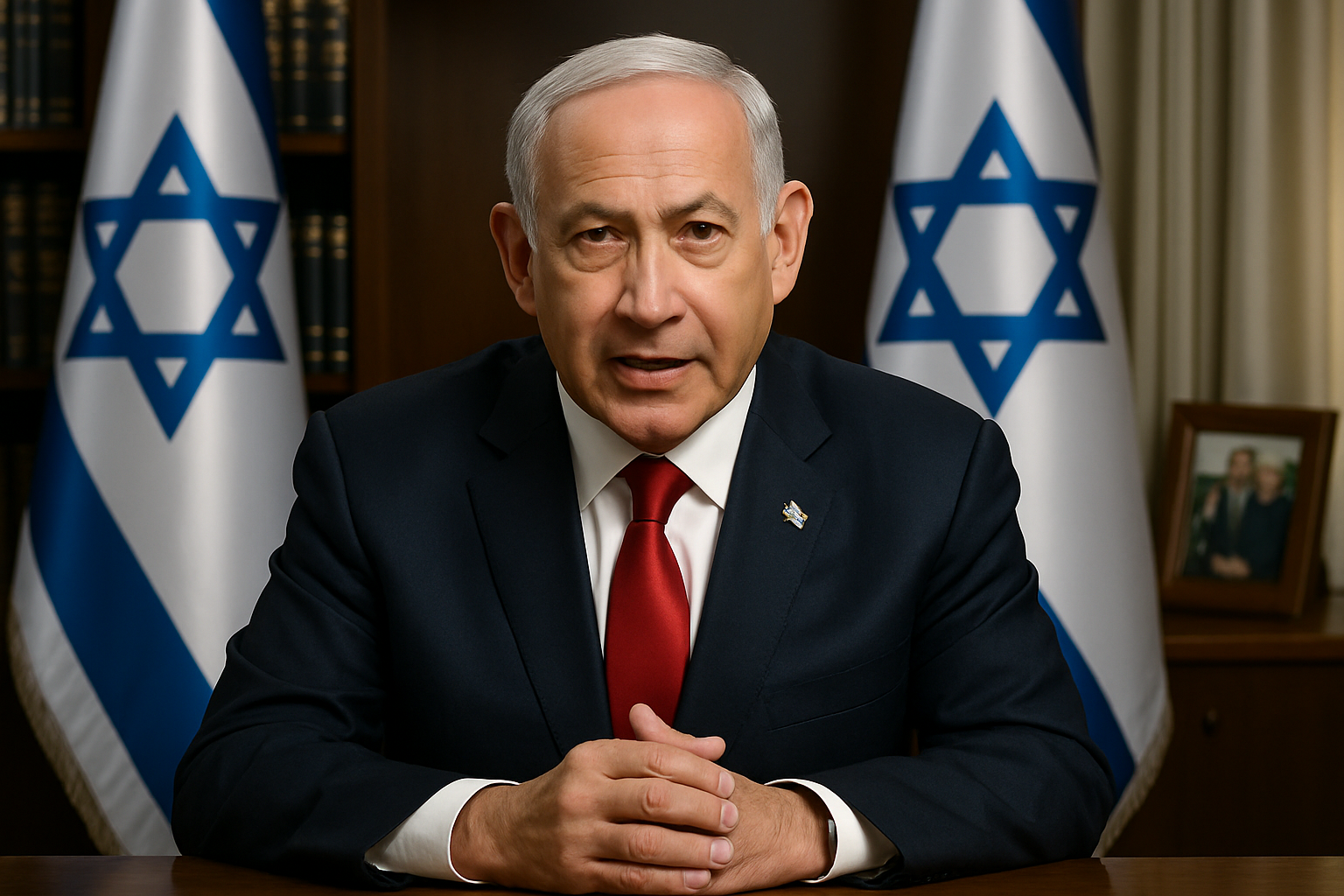
Israeli Prime Minister Benjamin Netanyahu responded to false rumors of his death circulating on social media by posting a video of himself buying coffee and making a playful pun, saying he is "dead crazy" for coffee in both Hebrew and English.
The video, posted on Netanyahu's social media accounts on Sunday, March 15, 2026, showed the Prime Minister at a café in Jerusalem's outskirts engaging in casual conversation with an aide while ordering coffee. The response came after Iranian state media and online sources spread unverified claims about his death or injury, as well as bizarre conspiracy theories about his appearance.
Wordplay and Defiance
In the video, verified by Reuters through matching file imagery of the café's interior, Netanyahu's aide asks him about the circulating rumors. The Prime Minister responds with a clever play on words using the Hebrew slang meaning of "dead" - which can describe being "crazy about" someone or something.
"I'm crazy about coffee. You know what? I'm crazy about my people."
— Benjamin Netanyahu, Israeli Prime Minister
The Israeli leader also addressed more outlandish conspiracy theories, asking his aide if he wanted to count his fingers - a reference to viral claims suggesting he had six fingers or that recent appearances were AI-generated deepfakes.
Context of Regional Tensions
The death rumors emerged during a period of heightened tensions in the Middle East, following major regional developments in recent weeks. The timing of the disinformation campaign coincides with ongoing conflicts and diplomatic challenges facing Israel across multiple fronts.
According to multiple international news sources, Iranian media outlets were among those spreading the unsubstantiated claims about Netanyahu's condition. The rumors also circulated widely on social media platforms, accompanied by various conspiracy theories about the authenticity of his recent public appearances.
Verification and Official Response
Reuters independently verified the video's location by comparing it to file imagery of the café, confirming the interior matched exactly. The date was further verified through multiple photos and videos of Netanyahu's visit posted by the café establishment on Sunday.
The Israeli Prime Minister's office had already debunked the rumors before the video was released, with officials calling the claims baseless disinformation. However, Netanyahu chose to respond personally with the lighthearted coffee shop video, demonstrating his characteristic approach of using humor to deflect criticism and conspiracy theories.
Social Media Strategy
The video represents a continuation of Netanyahu's sophisticated use of social media to communicate directly with the public and counter negative narratives. Posted with the caption "They say I am what?" the video quickly gained traction across platforms, effectively neutralizing the false rumors through direct visual evidence and humor.
The Prime Minister's ability to turn conspiracy theories into moments of levity has become a hallmark of his communication strategy, often using wordplay and direct engagement to address critics and misinformation campaigns.
Regional Disinformation Campaigns
The incident highlights the broader challenges of information warfare in the Middle East, where false rumors and conspiracy theories can spread rapidly across social media platforms and state-controlled media outlets. Such campaigns often target high-profile political figures during periods of regional instability.
Intelligence analysts note that disinformation campaigns targeting Israeli leadership have become increasingly sophisticated, often incorporating deepfake concerns and health speculation to create doubt about official communications and public appearances.
International Response
The Netanyahu video response was covered by major international news outlets, including Australian channel 9News, various European media organizations, and Middle Eastern sources. The widespread coverage demonstrates both the reach of the original false rumors and the effectiveness of the Prime Minister's direct response.
The incident also illustrates how quickly false information can spread across international media landscapes, requiring rapid and clear responses from official sources to maintain credible communication with both domestic and international audiences.