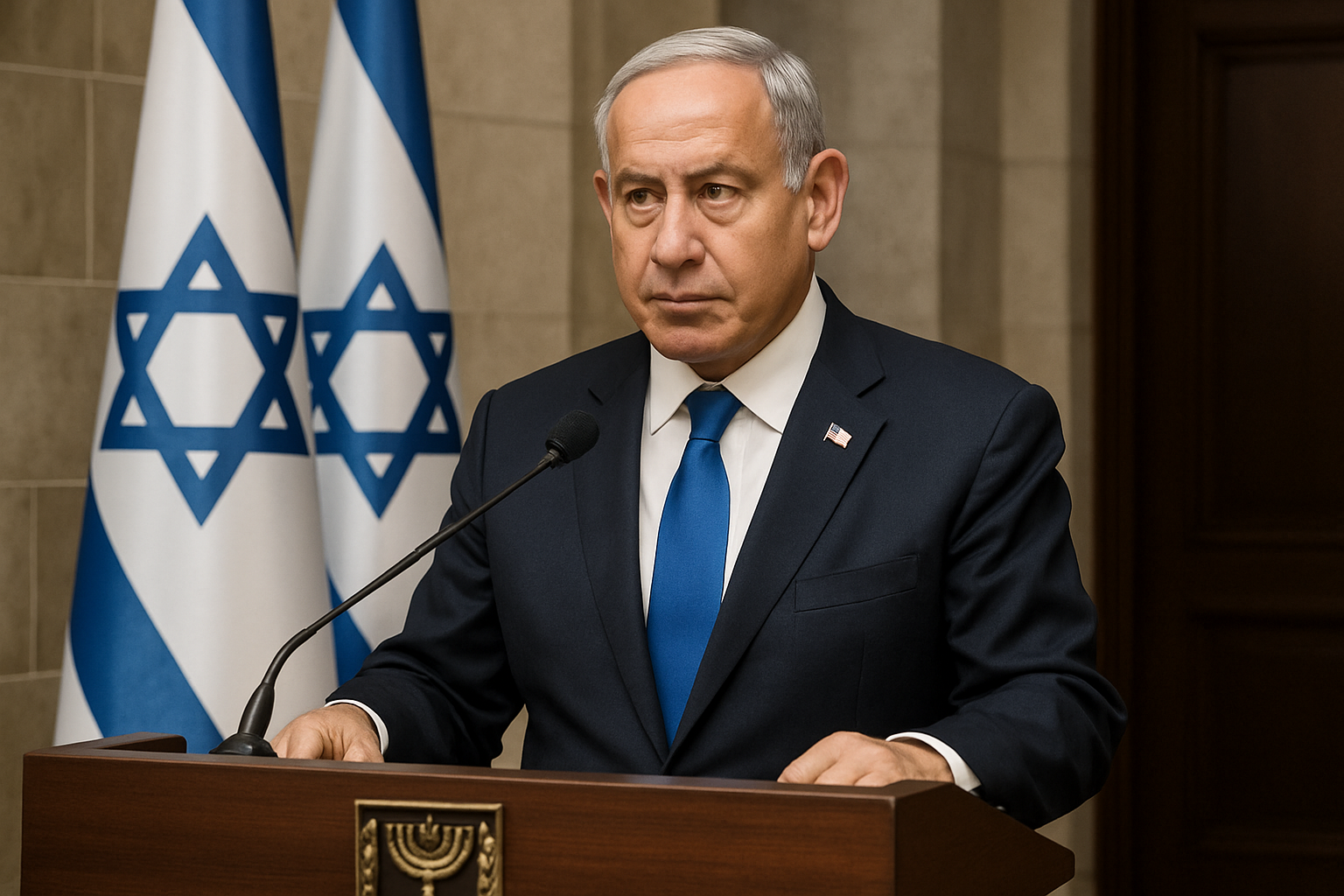
Israeli Prime Minister Benjamin Netanyahu has confirmed he successfully underwent treatment for prostate cancer, revealing the diagnosis during a period of intense regional diplomatic activity that includes coordinated pressure on Iran and ongoing tensions with Lebanon.
According to Channel 11 Israel, Netanyahu was diagnosed with early-stage prostate cancer and underwent radiation therapy treatment following surgery in December 2024 for benign prostate enlargement. The Prime Minister's office confirmed that the treatment was successful and he has fully recovered from the condition.
Strategic Timing of Medical Disclosure
The revelation comes as Netanyahu maintains an active diplomatic schedule amid escalating Middle East tensions. In a video statement on Friday, the Israeli leader described a "very good" phone call with Donald Trump, focusing on coordinated efforts to increase pressure on Iran. The conversation underscored the intersection of personal health management with critical national security responsibilities.
Netanyahu's decision to disclose his medical treatment reflects the complex balance between personal privacy and public accountability that modern leaders must navigate, particularly during times of regional crisis. The timing of the announcement appears carefully calculated to demonstrate both transparency and continued leadership capacity during a volatile period.
Ongoing Regional Diplomatic Challenges
The health disclosure occurs against the backdrop of significant regional developments, including tensions with Hezbollah amid Lebanon operations and ongoing coordination with international partners on Iran-related security concerns. Netanyahu's ability to maintain diplomatic engagement throughout his treatment period demonstrates the Prime Minister's continued operational capacity despite health challenges.
"Israel and the United States must work together to counter Iranian threats and maintain regional stability"
— Benjamin Netanyahu, Israeli Prime Minister
The conversation with Trump reportedly emphasized shared concerns about Iranian activities in the region, with Netanyahu warning about Hezbollah amid ongoing tensions with Lebanon. These diplomatic discussions highlight the continuous nature of Middle East security challenges that require sustained leadership attention regardless of personal health considerations.
Medical Treatment Context
The prostate cancer diagnosis represents a common health challenge for men in Netanyahu's age group, with early-stage detection typically offering excellent treatment outcomes. The successful radiation therapy treatment follows established medical protocols for prostate cancer management, with the Prime Minister receiving care that allowed him to maintain his governmental responsibilities throughout the treatment period.
Medical experts note that early-stage prostate cancer treatment, particularly when detected through routine screening, typically allows patients to continue normal activities with minimal interruption. The fact that Netanyahu maintained his active diplomatic and political schedule suggests the treatment regimen was well-managed and effective.
Global Healthcare Context
Netanyahu's case occurs during what medical experts term the "Therapeutic Revolution of 2026," characterized by significant advances in cancer detection and treatment protocols. Early detection and targeted therapies have dramatically improved outcomes for prostate cancer patients worldwide, with many continuing full professional and personal activities during and after treatment.
Political Leadership During Health Challenges
The disclosure raises broader questions about political leadership transparency regarding health issues, particularly for heads of government managing complex international relationships. Netanyahu's approach demonstrates a model of selective disclosure that balances public accountability with personal privacy while maintaining governmental continuity.
Historical precedents show that successful political leaders often manage significant health challenges while maintaining their responsibilities, with modern medical advances enabling continued high-level performance during treatment. The key factor appears to be appropriate medical care combined with honest communication with key stakeholders about capacity and prognosis.
Implications for Israeli Politics
The health revelation comes during a critical period for Israeli politics, with ongoing security challenges requiring sustained leadership attention. Netanyahu's successful treatment and continued active engagement in diplomatic initiatives suggests minimal impact on his ability to manage governmental responsibilities, though opposition parties may seek to use health concerns in future political discussions.
The Prime Minister's handling of the health disclosure, including the timing and manner of revelation, reflects sophisticated crisis communications management that seeks to control narrative while demonstrating continued capability. This approach aligns with Netanyahu's characteristic political style of managing information flow during challenging periods.
Regional Security Considerations
The ongoing diplomatic engagement with Trump and other international partners demonstrates that Netanyahu's health treatment has not interrupted critical security coordination. The discussions about Iran pressure and Hezbollah concerns reflect ongoing regional challenges that require consistent Israeli leadership engagement regardless of personal health considerations.
The ability to maintain diplomatic momentum during medical treatment showcases both modern healthcare's effectiveness and the institutional resilience of Israeli governmental structures. The continuity of policy discussions suggests that health challenges need not interrupt critical national security responsibilities when properly managed.
Looking Forward
Netanyahu's successful treatment and continued active leadership provide a template for managing health challenges while maintaining governmental responsibilities. The case demonstrates that modern medical treatment, combined with appropriate disclosure strategies, can enable continued effective leadership during health challenges.
As regional tensions continue and diplomatic initiatives evolve, Netanyahu's health disclosure serves as both a personal medical success story and a demonstration of political leadership continuity during challenging circumstances. The long-term implications will likely depend on the Prime Minister's continued health maintenance and the evolution of regional security situations that require sustained leadership attention.