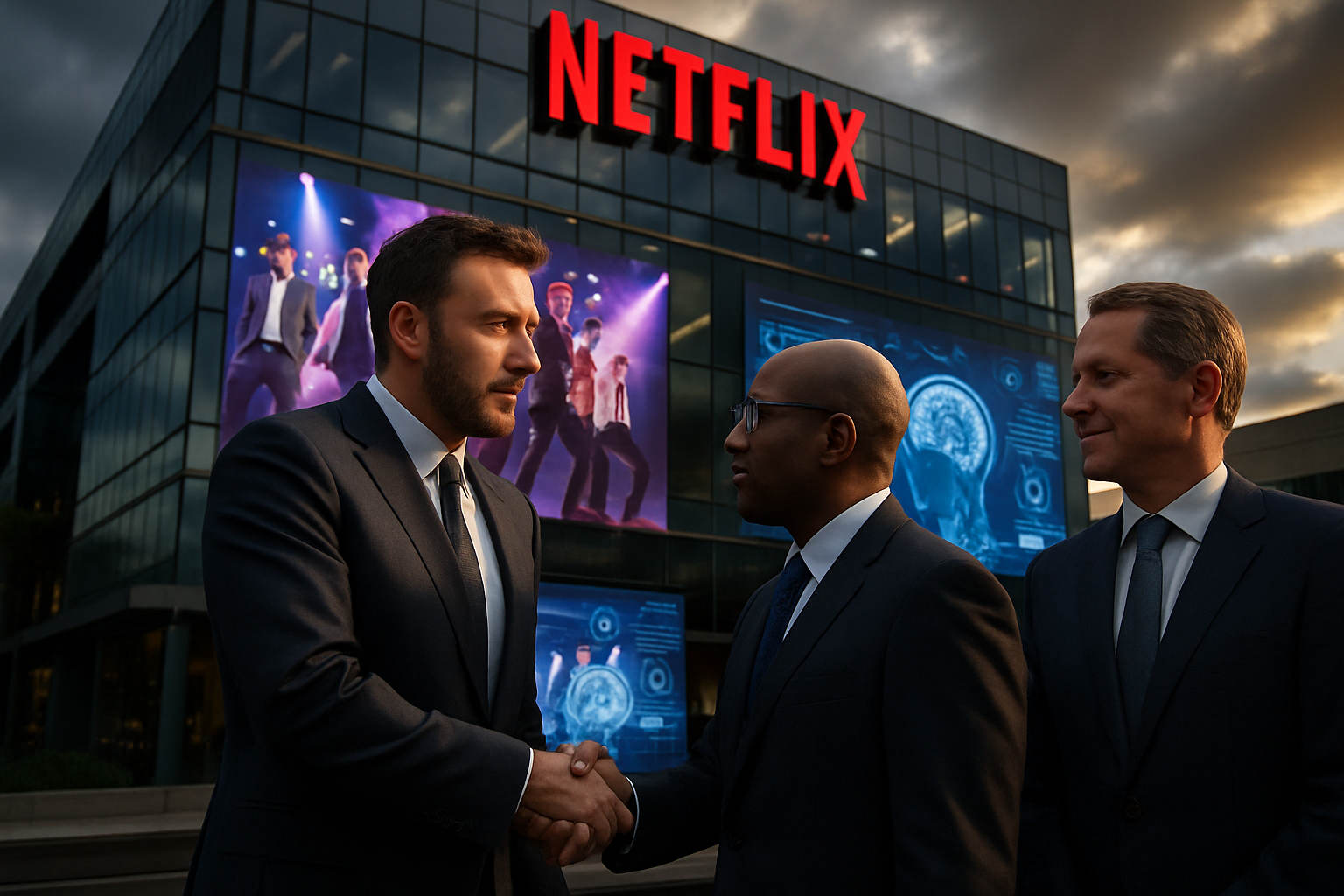
Netflix has announced a major strategic expansion of its content portfolio through the acquisition of actor-director Ben Affleck's artificial intelligence company InterPositive and the release of promotional materials for a highly anticipated BTS documentary, signaling the streaming giant's continued pivot toward original programming and cutting-edge technology integration.
The American streaming giant's acquisition of InterPositive, which specializes in developing artificial intelligence tools for film production, represents one of Netflix's most ambitious investments in AI technologies designed to enhance the creative workflow of filmmakers. The deal comes just days ahead of the release of BTS's first album in more than three years, "Arirang," scheduled for March 20, 2026.
Strategic AI Integration in Film Production
InterPositive's AI technology focuses on streamlining the traditionally complex and time-intensive aspects of film production. According to industry sources, Affleck has emphasized that the AI tools are designed to "take out all the logistical, difficult, technical stuff that often gets in the way" of the creative filmmaking process. The company helps filmmakers build their own AI models to handle production details, allowing creative talent to focus on storytelling and artistic vision.
The acquisition positions Netflix at the forefront of AI-enhanced content creation during what industry analysts are calling the "2026 AI Revolution in Cinema." This strategic move represents a direct response to the broader technological transformation sweeping the entertainment industry, where AI capabilities are increasingly being integrated into every aspect of content production, from pre-production planning to post-production editing.
BTS Documentary and K-Pop Content Strategy
Simultaneously, Netflix has intensified its focus on K-pop content with the announcement of "BTS: The Return," a documentary chronicling the creative process behind the group's comeback album "Arirang" following their mandatory military service hiatus. The documentary promises behind-the-scenes footage of the group's reunion planning and emotional reflections on their army experience.
The timing of these announcements is particularly significant, coming just ahead of BTS's March 20 album release. The group, consisting of RM, Jin, Suga, J-Hope, Jimin, V, and Jungkook, completed their mandatory military service and is returning to the global music scene with what is expected to be one of the most significant K-pop releases of 2026.
"This represents Netflix's strategic commitment to both technological innovation and authentic cultural storytelling," said an industry analyst familiar with the company's content strategy.
— Entertainment Industry Expert
Context of Strategic Pivot
These developments occur against the backdrop of Netflix's strategic withdrawal from the high-stakes bidding war for Warner Bros Discovery earlier this year. After Paramount raised their takeover bid to $111 billion, Netflix Co-CEOs Ted Sarandos and Greg Peters declined to match the enhanced offer, stating the deal was "no longer financially attractive."
This decision forced Netflix to pivot from content library acquisition to a strategy focused on original programming and technological innovation. The Affleck AI acquisition and expanded BTS content represent key components of this new approach, emphasizing proprietary technology development and exclusive cultural content over traditional media asset consolidation.
Industry Transformation and Competitive Landscape
The entertainment industry is currently experiencing what many experts describe as a "Cultural Renaissance," characterized by increased investment in authentic, culturally specific content that can achieve global appeal. Netflix's dual focus on AI technology and K-pop content exemplifies this trend, combining technological innovation with culturally authentic storytelling.
The streaming platform's strategy contrasts sharply with traditional media consolidation approaches. While competitors focus on merging existing content libraries and distribution networks, Netflix is betting on technological capabilities and exclusive creative partnerships to maintain its competitive edge in the global streaming market.
Global Content Strategy Evolution
Netflix's investment in both AI technology and K-pop content reflects the platform's sophisticated understanding of global audience preferences. The success of Korean content on international platforms has demonstrated that culturally specific programming can transcend geographic and linguistic boundaries when presented with high production values and authentic storytelling.
The BTS documentary strategy builds on the streaming platform's previous successes with Korean content, including award-winning films and series that have achieved both critical acclaim and commercial success. The group's massive global fanbase, known as ARMY, represents a built-in audience for Netflix's K-pop programming initiatives.
Technological Innovation and Creative Collaboration
The InterPositive acquisition represents more than a simple technology purchase; it signals Netflix's commitment to maintaining creative control while leveraging AI capabilities. Unlike some industry approaches that view AI as a replacement for human creativity, Netflix's strategy emphasizes AI as a tool to enhance and streamline creative processes.
This approach addresses ongoing industry concerns about AI disruption while positioning Netflix to benefit from technological advancement without sacrificing the human elements that drive compelling storytelling. The integration of Affleck's AI tools with Netflix's existing production infrastructure could provide significant competitive advantages in content creation efficiency and quality.
Market Position and Future Implications
With over 260 million global subscribers, Netflix's strategic decisions have far-reaching implications for the entire entertainment industry. The company's focus on technology innovation and exclusive cultural content may prove more sustainable than traditional media asset acquisition strategies, particularly during ongoing digital entertainment transformation.
The success of these initiatives will likely influence competitive strategies across the streaming landscape. If Netflix can effectively integrate AI technology while maintaining creative quality, and if the BTS documentary achieves anticipated viewership numbers, other platforms may follow similar approaches combining technological innovation with authentic cultural content.
Challenges and Opportunities Ahead
The global semiconductor crisis, which has increased technology costs by 20-30%, presents implementation challenges for Netflix's AI integration plans. However, the company's focus on memory-efficient algorithms and strategic partnerships provides potential competitive advantages over rivals facing similar technological constraints.
The streaming wars continue to intensify, with major mergers creating formidable competitors. Netflix's strategy of technological differentiation and exclusive cultural content represents a calculated bet that innovation and authenticity will prove more valuable than content library scale in the evolving entertainment landscape.
As the entertainment industry undergoes its most significant transformation since the digital revolution, Netflix's dual focus on AI technology and cultural content positions the company at the intersection of technological innovation and authentic human storytelling. The success of these initiatives will likely determine not only Netflix's competitive position but also influence the broader direction of the entertainment industry's technological and creative evolution.