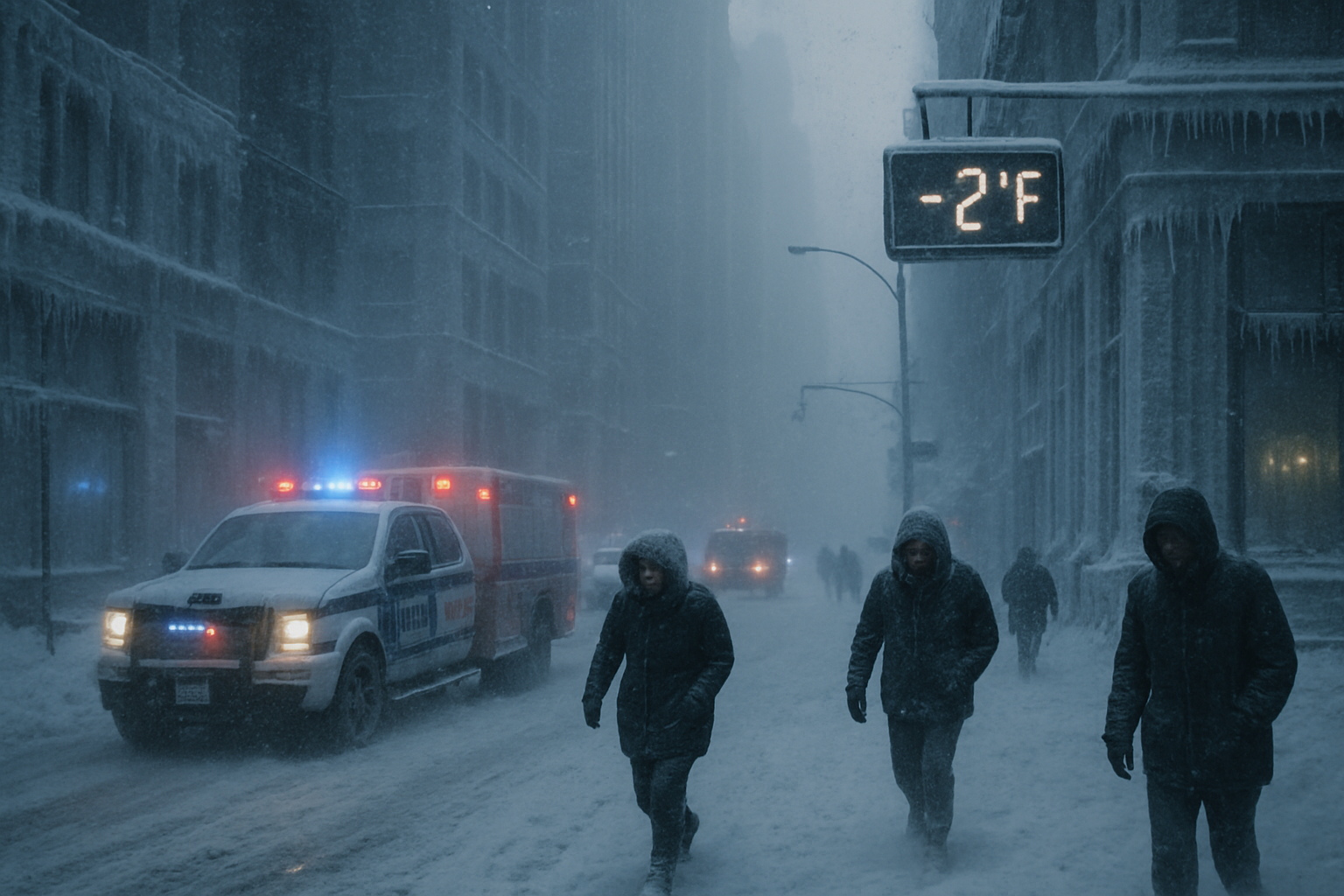
New York City is enduring its most intense and prolonged period of extreme cold in nearly ten years, with temperatures plummeting to dangerous levels that threaten public health and essential services across the northeastern United States.
The Arctic blast began on Friday, February 6, 2026, according to official data from the National Weather Service (NWS), affecting millions of residents throughout the region. Maximum temperatures have barely reached around -6°C (21°F), while nighttime minimums have dropped to -13°C (9°F), accompanied by fierce winds that drive the wind chill factor to potentially life-threatening levels below -20°C (-4°F).
Record-Breaking Cold Threatens Historic Milestones
According to Mayor Zohran Mamdani, New York City could approach its all-time historic cold record this weekend as a new Arctic front delivers another blow to the region. The sustained frigid conditions represent the most severe winter weather the city has experienced since records began being systematically tracked over a decade ago.
The current cold wave is part of a broader pattern of extreme weather affecting the Northern Hemisphere, which has already claimed over 140 lives across North America and Europe since late January. This occurs paradoxically during what meteorologists confirm was the hottest January on record globally, with 18 of the past 19 months exceeding 1.5°C above pre-industrial levels.
Emergency Response and Public Safety Measures
City officials have mobilized comprehensive emergency protocols to protect vulnerable residents from the extreme conditions. Mayor Mamdani announced the activation of over 1,200 beds in emergency warming centers established in hotels and public spaces including schools throughout the five boroughs.
"We want all New Yorkers who need help staying warm to be able to find it. We already have more than 1,200 spaces available."
— Mayor Zohran Mamdani
The city's emergency management system has expanded capacity significantly beyond normal winter protocols, recognizing the exceptional nature of this weather event. Warming centers have been equipped with additional resources to handle increased demand as temperatures remain persistently below safe levels for extended periods.
Infrastructure Strain and Public Health Concerns
The extreme cold is placing unprecedented strain on the city's infrastructure and emergency services. Power grids are experiencing peak demand as residents rely heavily on heating systems, while transportation networks face ongoing disruptions from ice and snow accumulation.
Public health authorities have issued urgent warnings about the risks of prolonged exposure to such extreme temperatures. Hypothermia and frostbite can develop within minutes in these conditions, particularly when combined with the wind chill effect that makes the actual temperature feel significantly colder.
Emergency services report increased calls related to heating system failures, carbon monoxide incidents from improper heating use, and weather-related accidents. Hospitals across the region are preparing for potential surges in cold-related injuries and illnesses.
Regional Impact and Transportation Disruptions
The cold wave extends far beyond New York City's boundaries, affecting the entire northeastern United States and parts of eastern Canada. The persistence of the Arctic air mass has created challenges not seen in nearly a decade, according to meteorological records.
Transportation systems are experiencing significant disruptions, with delays and cancellations affecting air travel, rail services, and highway operations. Road conditions remain hazardous due to ice formation, while wind chills make outdoor maintenance work extremely dangerous for transportation crews.
The National Weather Service continues to maintain cold weather advisories and warnings across multiple states, urging residents to limit outdoor exposure and take precautionary measures to prevent cold-related health emergencies.
Historical Context and Climate Patterns
This extreme cold event occurs within the broader context of increasingly volatile weather patterns affecting the Northern Hemisphere. Climate scientists note the concerning juxtaposition of record-breaking global heat alongside regional extreme cold events, highlighting the complex nature of changing atmospheric systems.
The current situation follows a pattern of severe winter weather that has affected multiple continents simultaneously, from Europe's harshest winter conditions in decades to unprecedented cold snaps in typically temperate regions. This demonstrates the interconnected nature of global weather systems and their potential for producing extreme localized effects.
Looking Ahead: Duration and Recovery
Weather forecasters indicate that while the most intense phase of the cold wave may begin to moderate by early next week, temperatures will remain well below normal for the foreseeable future. City officials continue to monitor conditions closely and maintain emergency protocols as long as dangerous conditions persist.
The extended duration of this cold event sets it apart from typical winter weather patterns, requiring sustained emergency response efforts and continued public vigilance. Authorities emphasize the importance of checking on elderly neighbors and vulnerable community members during this challenging period.
As New York City faces this historic cold challenge, the comprehensive emergency response demonstrates the city's resilience and preparedness for extreme weather events, even as climate change continues to produce increasingly unpredictable and severe conditions across the globe.