With petrol prices soaring past $3 per liter and rising concerns about fuel security amid global energy volatility, New Zealand consumers are increasingly turning their attention to electric vehicles as a viable alternative to traditional combustion engines.
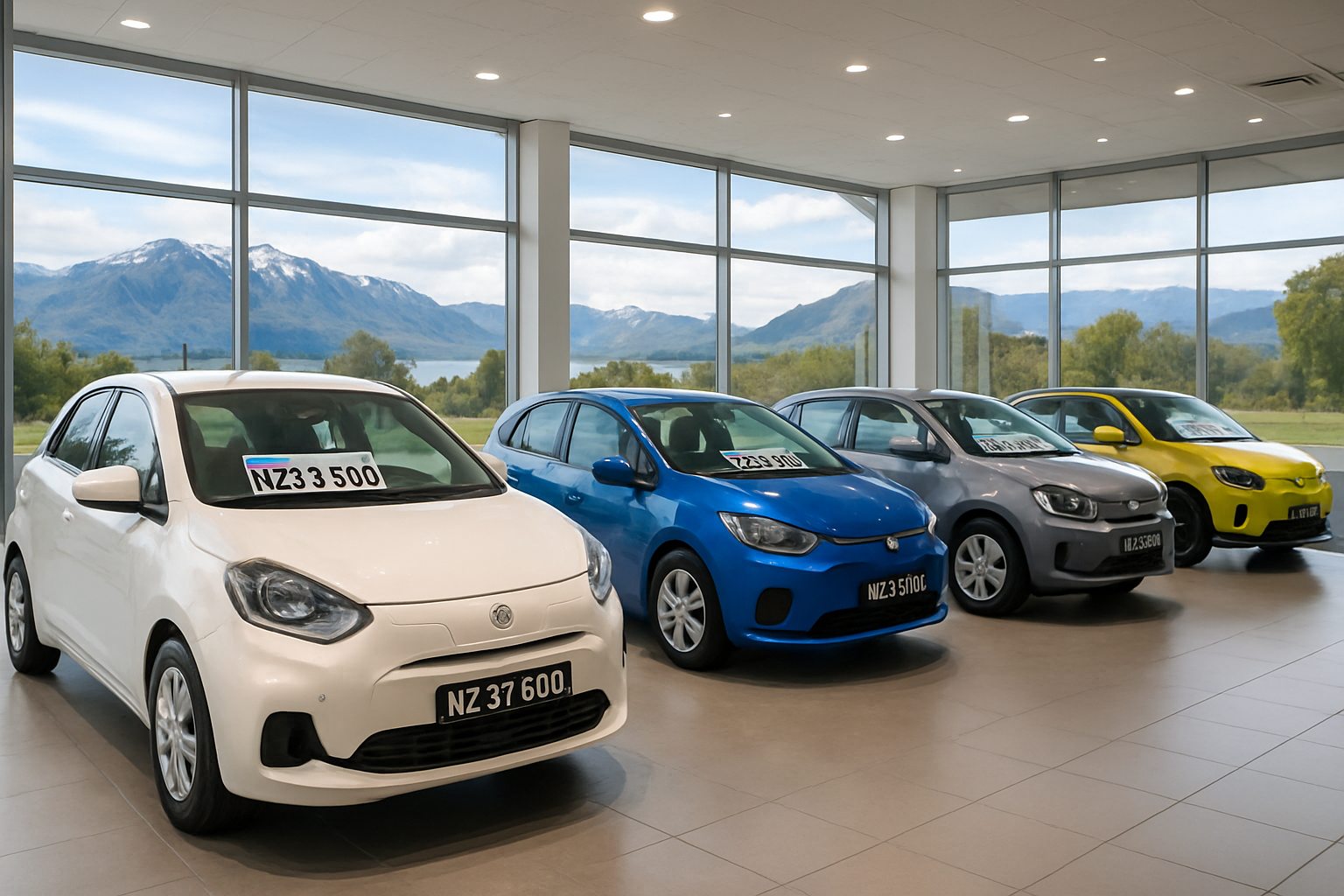
A recent comprehensive analysis by automotive experts has ranked the country's most affordable electric vehicles available for under $35,000, providing crucial guidance for consumers navigating the rapidly evolving EV landscape in 2026. The ranking comes at a critical juncture as New Zealand faces mounting transportation costs and limited fuel supply security.
Market Context: Rising Fuel Costs Drive EV Interest
New Zealand's automotive market is experiencing unprecedented pressure as global energy crises affect fuel availability and pricing. Recent reports indicate petrol prices have exceeded $3 per liter in many regions, with government officials considering emergency measures reminiscent of 1970s oil shocks, including potential car-free days and petrol sale limits.
The urgency surrounding alternative transportation solutions has intensified following global supply chain disruptions affecting the Strait of Hormuz, through which 40% of the world's seaborne oil transits. This geographic vulnerability has exposed the risks of over-dependence on imported fossil fuels, making electric vehicles an increasingly attractive proposition for New Zealand consumers.
Chinese Manufacturers Prepare Market Entry
Adding complexity to New Zealand's EV market dynamics is the anticipated entry of Chinese electric vehicle manufacturers. ArcFox, a luxury electric vehicle brand, is reportedly preparing for New Zealand market entry through Auto Distributors NZ, following the successful launch of BAIC vehicles in the local market.
This development represents the growing presence of Chinese automotive manufacturers in New Zealand during the global EV transition. China currently controls 60% of global critical materials production and 90% of refining capacity for lithium, cobalt, and rare earth elements essential for electric vehicle batteries, positioning Chinese manufacturers with significant competitive advantages in pricing and supply chain management.
Current Market Challenges
Despite growing consumer interest, New Zealand's EV adoption faces several structural challenges that mirror global patterns identified in recent international studies:
Infrastructure Disparities: Research from Europe reveals stark urban-rural disparities in EV adoption, with homeowners and rural residents having clear advantages through home charging access, while urban apartment dwellers face significant barriers despite higher environmental awareness.
Supply Chain Constraints: The global automotive industry continues experiencing memory chip shortages causing sixfold price increases in semiconductor components essential for vehicle control systems. These shortages are expected to persist until 2027 when new fabrication facilities come online.
Battery Technology Concerns: However, recent studies provide encouraging news for potential EV buyers. Comprehensive analysis of the oldest generation electric vehicles reveals battery lifespans significantly exceeding early industry predictions. Tesla Model S vehicles from 2012-2014 with over 200,000 miles show 85-92% battery capacity retention, while Nissan Leaf vehicles from 2011-2013 demonstrate 75-85% capacity retention after a decade of operation.
Technological Breakthroughs Improving Viability
Recent technological advances are addressing key consumer concerns about electric vehicle practicality:
Rapid Charging Solutions: BYD's breakthrough Megawatt Flash Charging technology delivers 1,360 kW power, providing 400km range in just 5 minutes. The company's Blade Battery 2.0 system functions effectively in temperatures down to -30°C, addressing cold weather performance concerns relevant to New Zealand's diverse climate conditions.
Vehicle-to-Grid Integration: Advanced electric vehicles now feature vehicle-to-grid capabilities, enabling them to function as mobile energy storage systems. This technology allows EVs to charge during off-peak renewable generation periods and discharge electricity during high demand, potentially reducing overall energy costs for owners.
Government Policy and Economic Factors
New Zealand's approach to EV adoption contrasts with international trends in government incentive programs. While countries like Canada have returned consumer EV incentives under Prime Minister Mark Carney's $9.7 billion automotive strategy, New Zealand has removed clean car incentives, contributing to market exits such as Opel's recent departure after four years due to poor sales performance.
European automakers Volkswagen and Stellantis are intensifying calls for Brussels to provide financial incentives and subsidies for electric vehicles manufactured in Europe, reflecting broader industry challenges in competing with Chinese manufacturers who benefit from integrated supply chains and government support.
Regional and Global Context
New Zealand's EV market development occurs within a broader global context of automotive industry transformation. Major developments include:
Regional Manufacturing Strategies: Automakers are establishing EV production closer to primary markets to reduce transportation costs and supply chain vulnerabilities. Toyota's 2027 Highlander EV will be produced at their Princeton facility, competing directly with the Kia EV9 and Hyundai Ioniq 9 in the three-row electric SUV segment.
Climate Urgency: January 2026 marked the 18th consecutive month with global temperatures exceeding 1.5°C above pre-industrial levels, emphasizing the urgency of transportation electrification. Human-induced climate change is now overriding natural variability, including La Niña cooling effects.
Consumer Guidance and Market Outlook
For New Zealand consumers evaluating electric vehicles under $35,000, experts recommend focusing on several key factors beyond initial purchase price:
Total Cost of Ownership: With improved battery longevity data, EVs are achieving cost parity with traditional vehicles when total ownership costs are considered, despite higher upfront prices. Extended battery life supports a robust used EV market, making electric vehicles increasingly accessible.
Charging Infrastructure: Success in EV adoption requires comprehensive charging infrastructure development. Countries like Austria have doubled their EV infrastructure with 1,000 additional charging stations, while Estonia leads with 88% renewable electricity and continental Europe's largest battery storage capacity serving 90,000 households.
Future-Proofing Considerations: China's upcoming hidden door handle ban, effective January 2027, demonstrates how safety regulations are evolving to prioritize functional access over aesthetic design. This regulatory change affects major manufacturers including Tesla, BYD, NIO, and XPeng, indicating how safety standards continue evolving in the EV sector.
Market Predictions and Strategic Implications
The convergence of rising fuel costs, advancing battery technology, and expanding Chinese manufacturer presence suggests New Zealand's EV market is approaching a significant inflection point. Success in mainstream EV adoption will depend on resolving infrastructure constraints while maintaining innovation momentum, developing sustainable business models that prioritize consumer welfare, and fostering balanced international trade relationships that ensure competitive pricing without compromising supply chain security.
Industry transformation represents one of the most significant shifts in modern transportation history, requiring coordination across energy systems, infrastructure development, materials supply chains, and regulatory frameworks during what experts describe as the decisive climate action decade.
As New Zealand consumers face mounting fuel costs and limited supply security, electric vehicles under $35,000 represent not just an economic alternative, but a strategic hedge against global energy volatility. The question facing consumers is no longer whether to consider electric vehicles, but which models offer the best combination of affordability, reliability, and long-term value in an increasingly uncertain energy landscape.