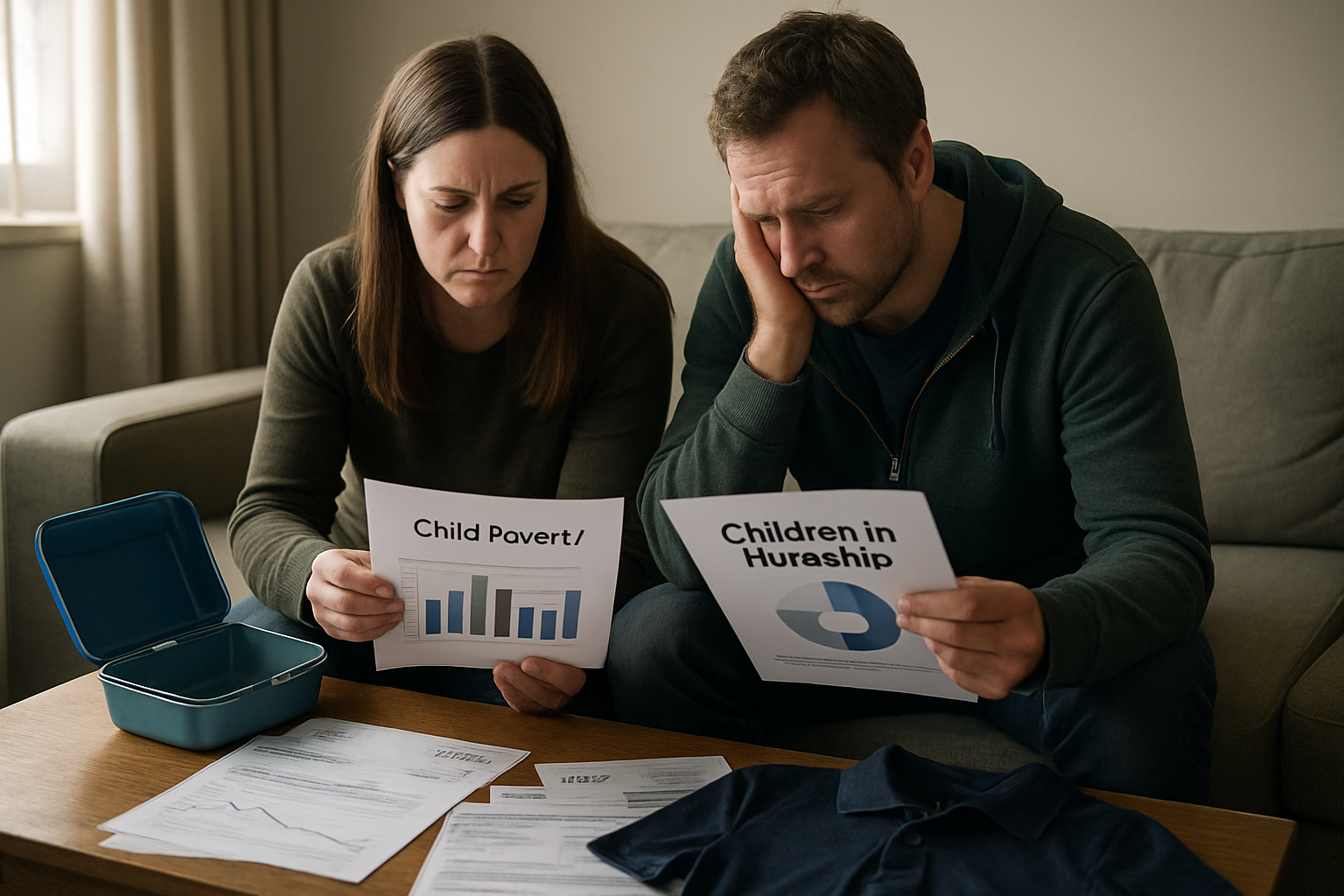
New Zealand faces a deepening child poverty crisis with material hardship significantly increasing since 2022, leaving more children without basic necessities as government officials and advocates demand urgent action to protect vulnerable youth.
Latest data reveals a stark reality: one in seven New Zealand children now live in hardship, representing approximately 47,500 additional children forced into material poverty - enough to fill Eden Park stadium. The sobering statistics demonstrate that despite years of policy initiatives, child welfare in New Zealand continues to deteriorate at an alarming rate.
Children's Commissioner Sounds Alarm
Children's Commissioner has issued an urgent warning that immediate action is required to address the escalating crisis. "Children only get one chance at childhood - and action to reduce child poverty is needed now," the Commissioner stated, emphasizing the critical window for intervention before lasting damage occurs to New Zealand's most vulnerable population.
The Commissioner's stark assessment reflects growing concern among child welfare advocates who argue that current support systems are failing to keep pace with rising living costs and economic pressures affecting families nationwide. Material hardship, which measures whether children lack basic necessities like food, clothing, or adequate housing, has become an increasingly accurate barometer of childhood deprivation across the country.
"Children only get one chance at childhood - and action to reduce child poverty is needed now."
— Children's Commissioner
Material Hardship Escalation Since 2022
The new data shows material hardship has increased substantially since 2022, meaning more children are now going without the basics necessary for healthy development. This represents a reversal of earlier progress and signals that existing poverty reduction strategies have proven insufficient against current economic headwinds.
Material hardship encompasses critical indicators including inadequate food access, inability to afford proper clothing, substandard housing conditions, and lack of access to healthcare or educational resources. When children experience these deprivations, research shows lasting impacts on cognitive development, educational attainment, and long-term life outcomes.
The 47,500 increase in children experiencing material hardship represents not just a statistical concern but a human crisis affecting real families struggling with impossible choices between rent, groceries, and other essential needs. Community organizations report increasing demand for emergency assistance, food banks, and housing support services across all regions.
Global Context of Child Protection Challenges
New Zealand's child poverty crisis occurs within a broader global context of increasing challenges to child protection systems. International research demonstrates that children worldwide face unprecedented pressures from digital safety concerns, educational system strain, and economic instability affecting family structures.
The global pattern of child welfare challenges extends beyond poverty to include educational access barriers, mental health crises linked to social media exposure, and healthcare system gaps. Research indicates that 96% of children aged 10-15 use social media platforms, with 70% experiencing harmful content exposure - creating additional stress factors for families already struggling with economic hardship.
Child protection advocates internationally emphasize that prevention-first approaches prove more effective and economical than crisis intervention strategies. Countries implementing comprehensive early intervention programs report improved community resilience and reduced long-term social service demands, suggesting sustainable pathways for addressing childhood deprivation.
Educational and Social Support Barriers
The child poverty crisis intersects critically with educational access and social support systems. New Zealand's School Boards Association previously highlighted related concerns by calling for reduced uniform costs after distributing over 38,000 hardship payments in 2025 for school expenses, demonstrating how poverty creates barriers to educational participation.
These educational financial barriers compound the effects of material hardship, as children from low-income families face additional obstacles to academic success. Research shows that children experiencing material deprivation often struggle with concentration, attendance, and social integration at school, creating cycles of disadvantage that extend into adulthood.
Social support systems designed to assist vulnerable children and families report increasing pressure as demand for services outpaces available resources. Child welfare organizations emphasize that comprehensive support requires coordination between government agencies, educational institutions, healthcare providers, and community organizations to address the multiple dimensions of childhood poverty effectively.
Economic and Policy Implications
The escalating child poverty crisis carries significant economic implications extending beyond immediate social costs. Research demonstrates that childhood material hardship creates long-term expenses for healthcare systems, educational support services, and social welfare programs while reducing future economic productivity and tax revenue generation.
Economic analysis suggests that comprehensive poverty reduction investments generate positive returns through decreased crisis intervention costs, improved educational outcomes, and enhanced economic participation among affected populations. However, implementing effective programs requires sustained political commitment and adequate funding allocation during periods of fiscal constraint.
Policy experts emphasize that addressing child poverty effectively requires integrated approaches combining immediate material support with long-term systemic changes addressing housing affordability, employment security, healthcare access, and educational opportunity. Simple welfare increases without broader structural reforms often prove insufficient for creating lasting improvements in child welfare outcomes.
Urgent Call for Coordinated Response
Child welfare advocates stress that the current crisis demands immediate coordinated action from government, community organizations, and civil society. The Children's Commissioner's warning that "children only get one chance at childhood" underscores the urgency of intervention before irreversible damage occurs to an entire generation's development prospects.
Successful child protection strategies require comprehensive approaches addressing multiple risk factors simultaneously. This includes ensuring adequate family income support, affordable housing access, quality healthcare provision, educational opportunity, and community support networks that strengthen family resilience against economic shocks.
International evidence suggests that countries achieving significant child poverty reduction combine universal support systems with targeted interventions for high-risk populations. These approaches emphasize prevention over crisis response while maintaining dignity and agency for families seeking assistance during difficult periods.
Looking Forward: Prevention and Protection
As New Zealand confronts this escalating child poverty crisis, experts emphasize that sustainable solutions require both immediate relief for families in crisis and long-term systemic changes addressing root causes of childhood deprivation. The goal extends beyond simply reducing statistical measures of poverty to ensuring all children have genuine opportunities for healthy development and future success.
The stakes of this crisis extend far beyond current suffering to encompass New Zealand's future social cohesion, economic prosperity, and democratic values. How the country responds to this challenge will determine whether current policy frameworks prove adequate for protecting vulnerable children or require fundamental restructuring to meet 21st-century social challenges.
Success requires unprecedented coordination between government agencies, educational institutions, healthcare providers, community organizations, and families themselves. Only through comprehensive, sustained action can New Zealand ensure that every child receives the protection and opportunities necessary for healthy development during their one chance at childhood.