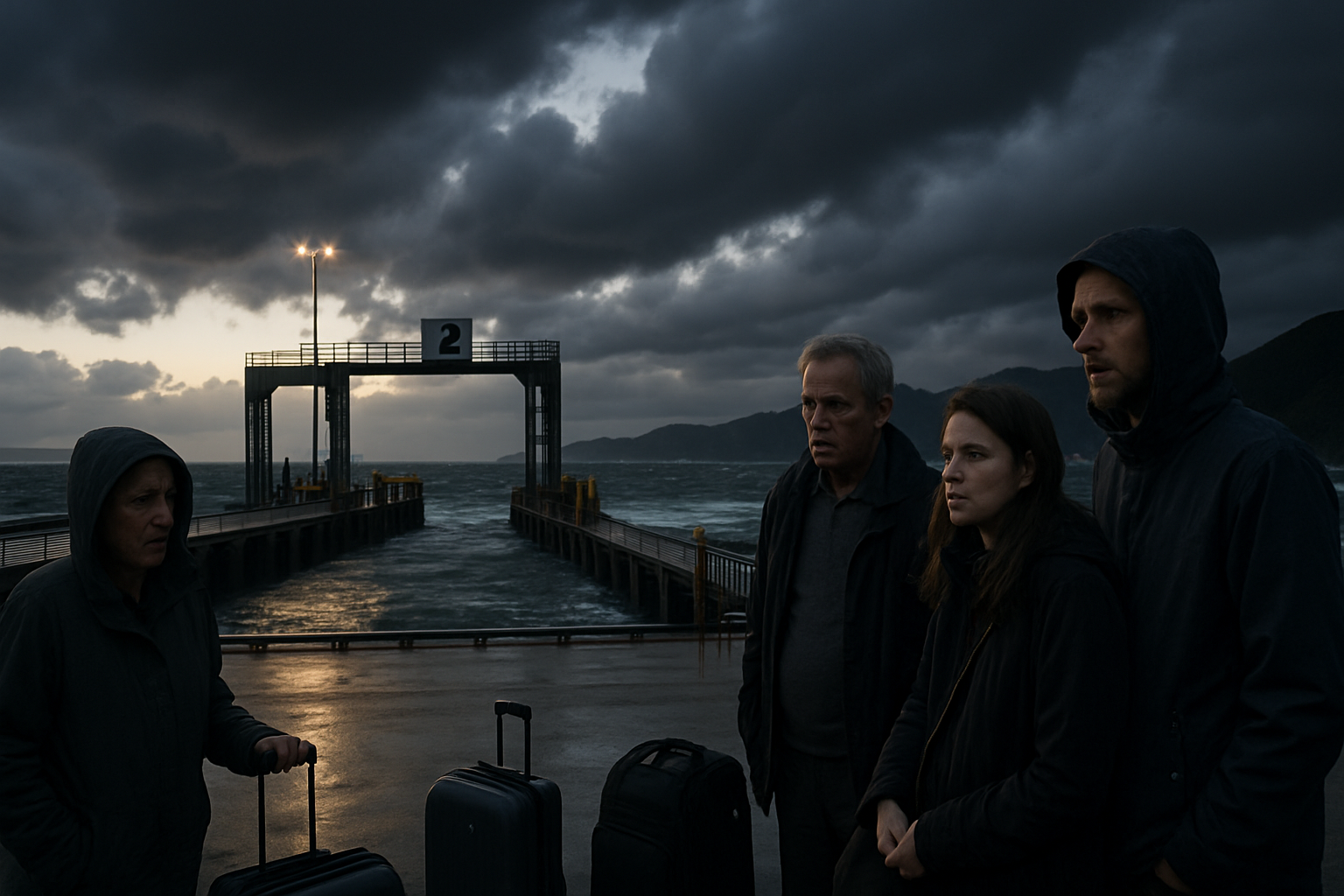
New Zealand's Cook Strait ferry services face unprecedented disruption as both major operators suffer simultaneous technical failures, creating what the Green Party describes as a "perfect storm" for the country's inter-island transport network. The crisis has left hundreds of passengers stranded and severely impacted freight operations crucial to New Zealand's supply chain.
The crisis began Tuesday night when the Interislander's Kaiārahi was forced out of service due to a technical fault, removing one of the fleet's key vessels from the critical Wellington-Picton route. The situation deteriorated further when Bluebridge's Connemara ferry was also cancelled on Thursday and Friday, effectively crippling Cook Strait services during one of the busiest travel periods.
Impact on Travelers and Tourism
The ferry disruptions have created chaos for tourists and locals alike, with one particularly harrowing case highlighting the human cost of the crisis. Three friends planning a South Island adventure found their ferry cancelled just one day before departure, forcing them to drive across the entire South Island to stow their campervan and e-bikes before flying back to Auckland.
"We are screwed," one of the affected travelers told Stuff, capturing the frustration felt by hundreds of passengers facing similar predicaments.
— Stranded Tourist
The crisis has exposed New Zealand's vulnerability to transport disruptions, particularly given the country's dependence on Cook Strait ferries for both passenger transport and freight movement between the North and South Islands. With delays extending up to three weeks in some cases, the economic and social impacts are mounting rapidly.
Freight and Economic Consequences
Beyond passenger inconvenience, the ferry breakdowns have created significant disruptions to New Zealand's freight network. The Cook Strait crossing is a crucial link in the country's supply chain, with commercial vehicles and goods containers regularly transported between the islands. Extended delays are affecting everything from fresh produce distribution to manufactured goods delivery.
The timing couldn't be worse for New Zealand's tourism sector, which has been working to recover from the impacts of previous disruptions and global events. With visitor spending reaching NZ$18.1 billion annually, the ferry crisis threatens to undermine confidence in New Zealand's transport reliability just as the peak tourist season approaches.
Political Response and Infrastructure Concerns
The Green Party has been vocal in criticizing the government's handling of transport infrastructure, with party representatives warning of a "perfect storm" as ferry breakdowns disrupt both travel and freight operations. The political opposition has seized on the crisis as evidence of underinvestment in critical transport infrastructure.
This latest crisis adds to growing concerns about New Zealand's transport resilience. Earlier this year, the country faced severe weather-related infrastructure challenges, including flooding that damaged roads and bridges across multiple regions. The ferry disruptions compound these existing vulnerabilities, highlighting the need for more robust and reliable transport networks.
Technical and Operational Challenges
The Kaiārahi's technical fault represents ongoing challenges facing New Zealand's aging ferry fleet. Both Interislander and Bluebridge operate in challenging conditions across Cook Strait, known for its rough seas and unpredictable weather patterns. The simultaneous failures of vessels from both operators suggest broader systemic issues within the sector.
Industry experts point to the complex logistics of maintaining ferry services across one of the world's more challenging waterways. The Cook Strait crossing, while relatively short at approximately 90 minutes, requires vessels capable of handling significant wave heights and strong winds that regularly affect the region.
Historical Context and Broader Implications
The current ferry crisis occurs against a backdrop of global transport disruptions that have characterized 2026. From aviation chaos in the Middle East to supply chain vulnerabilities exposed by geopolitical tensions, transport networks worldwide have faced unprecedented stress. New Zealand's ferry problems, while locally focused, reflect broader themes of infrastructure vulnerability and the cascading effects of transport failures.
The crisis also highlights New Zealand's unique geographic challenges. As an island nation with a population split between two main islands, reliable inter-island transport is not just convenient but essential for economic and social cohesion. The Cook Strait ferries serve as a critical link that cannot easily be replaced or bypassed.
Looking Forward: Recovery and Reform
As ferry operators work to restore services, questions are mounting about long-term solutions to prevent similar crises. The government faces pressure to invest in more reliable ferry infrastructure and explore alternative transport options, including enhanced aviation links between the islands for urgent passenger needs.
The crisis serves as a wake-up call for New Zealand's transport planning, emphasizing the need for redundancy and resilience in critical transport links. With climate change increasing the frequency of extreme weather events and aging infrastructure facing mounting pressure, the ferry disruptions may herald broader challenges ahead.
Industry observers suggest that comprehensive reviews of both ferry operations and backup systems will be necessary to prevent future crises of this magnitude. The question remains whether New Zealand will use this crisis as a catalyst for meaningful transport infrastructure reform or simply patch up immediate problems without addressing underlying vulnerabilities.
For now, passengers and freight operators can only hope for swift resolution while the "perfect storm" of ferry failures continues to disrupt one of New Zealand's most vital transport corridors.