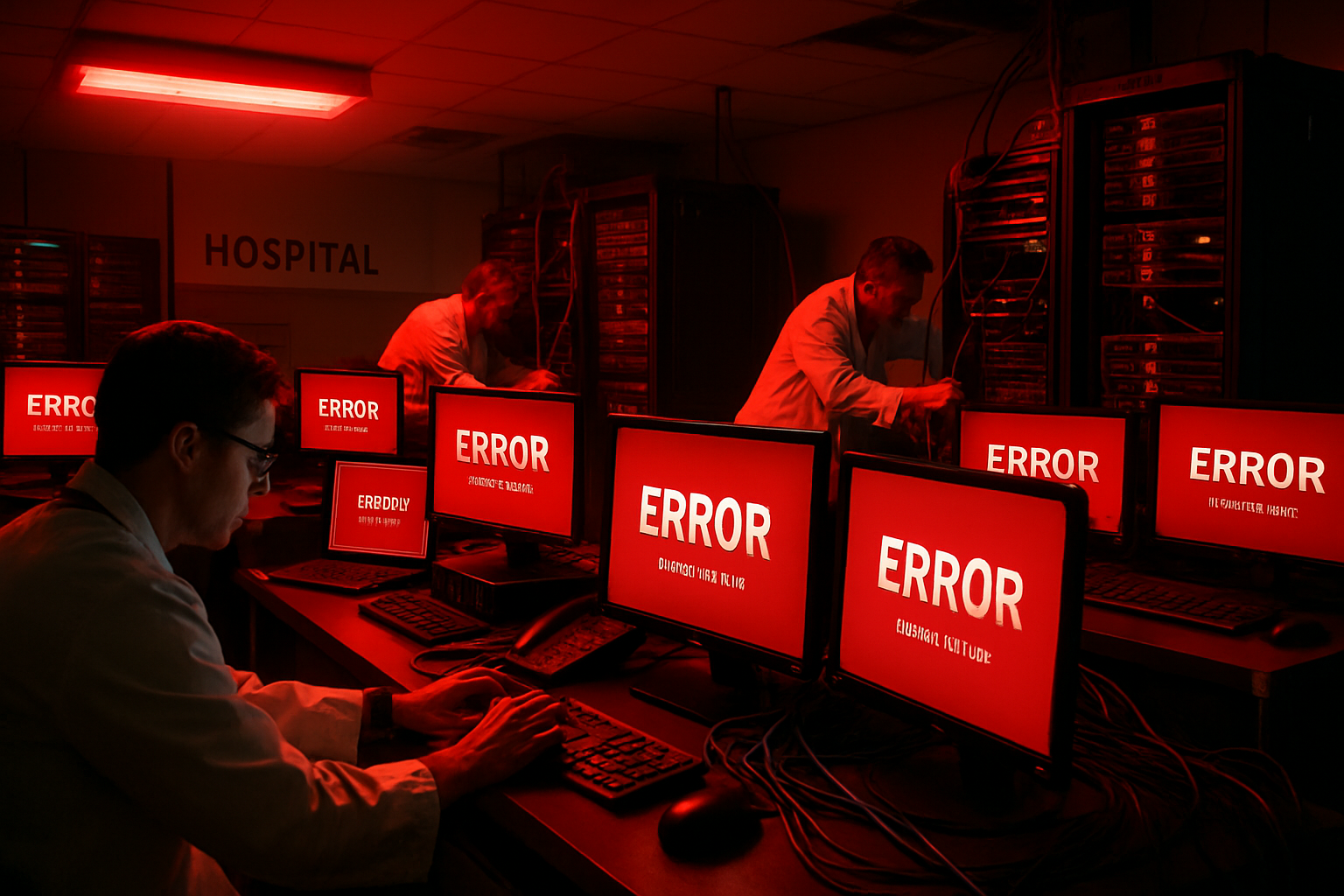
New Zealand's healthcare system is facing a critical technology crisis as major IT outages strike hospitals across Auckland and Northland regions for the second time in less than a month, according to union officials who describe the situation as an alarming pattern of system failures threatening patient care.
The latest outage, confirmed by healthcare unions on February 26, 2026, has severely disrupted operations at multiple hospital facilities across both regions, forcing medical staff to revert to paper-based systems and manual processes during what healthcare workers describe as an unprecedented period of technological instability.
"It is the second critical IT failure in less than a month," confirmed union representatives, highlighting the dangerous precedent being set by recurring technology breakdowns in New Zealand's healthcare infrastructure.
Pattern of System Failures Emerges
The recurring IT outages represent more than isolated technical glitches—they signal a systemic vulnerability in New Zealand's healthcare technology infrastructure that experts warn could have life-threatening consequences for patients requiring immediate medical attention.
Healthcare workers report that the outages have affected critical systems including patient records, medication databases, imaging systems, and communication networks that hospitals rely on for coordinated care delivery. The timing of these failures, occurring within such a short timeframe, has raised questions about the robustness of backup systems and disaster recovery protocols.
The disruptions come at a particularly challenging time for New Zealand's healthcare system, which has been grappling with capacity pressures, workforce shortages, and the ongoing integration of digital health technologies designed to improve patient outcomes and operational efficiency.
Impact on Patient Care and Safety
Medical professionals describe the outages as creating dangerous conditions where critical patient information becomes inaccessible during emergencies, potentially compromising treatment decisions and care coordination. The shift to manual systems, while providing a temporary workaround, significantly slows processes and increases the risk of errors.
"When you lose access to patient records, medication histories, and test results, you're essentially practicing medicine blindfolded," explained one healthcare worker who requested anonymity due to the sensitive nature of the situation.
The outages have particularly impacted emergency departments, where rapid access to patient information can be the difference between life and death. Surgical schedules have also been disrupted, with some procedures potentially delayed until systems can be restored and patient data verified.
Broader Healthcare Technology Crisis
These IT failures occur within the context of what healthcare experts describe as a global "therapeutic revolution of 2026," characterized by unprecedented technological advancement alongside severe system infrastructure challenges. New Zealand's experience mirrors similar crises documented worldwide, from Cyprus nursing shortages described as a "ticking time bomb" to infrastructure failures affecting healthcare systems from Nigeria to Canada.
The World Health Organization faces its own funding crisis from major contributor withdrawals, limiting international coordination during a period requiring enhanced global cooperation in healthcare technology standards and cybersecurity protocols.
"Healthcare systems struggle to integrate advanced medical technologies with established safety protocols. Equipment failures suggest minor oversights in equipment specification can have catastrophic consequences."
— Healthcare Technology Expert
The pattern emerging across multiple countries suggests that technological advancement without corresponding safety protocol improvements creates new vulnerabilities in healthcare delivery systems that were previously more resilient despite being less sophisticated.
Economic and Social Implications
The financial impact of recurring IT outages extends far beyond immediate operational costs. Healthcare infrastructure failures undermine public confidence in the medical system, potentially affecting New Zealand's medical tourism industry and international healthcare cooperation programs.
Each outage requires expensive emergency responses, including overtime payments for additional staff, costs associated with manual systems, and potential liability exposure from delayed or compromised patient care. The cumulative economic impact of repeated failures could reach millions of dollars while creating immeasurable stress for patients and healthcare workers.
The social implications are equally significant, as communities lose trust in healthcare institutions' ability to provide reliable, modern medical care. This erosion of confidence can lead to delayed medical consultations, reduced compliance with treatment plans, and increased anxiety among patients requiring ongoing care.
Reform Requirements and Solutions
Healthcare technology experts emphasize that addressing these systemic failures requires comprehensive reform beyond simply replacing failed equipment. Key priorities include administrative simplification, equipment-training integration, sustainable funding mechanisms, and strengthened international cooperation in healthcare technology standards.
Prevention-first approaches demonstrate superior cost-effectiveness compared to reactive crisis management, but implementing robust systems requires sustained political commitment, adequate resource allocation, and comprehensive professional training for healthcare workers adapting to increasingly complex technological environments.
The situation demands immediate action on multiple fronts: implementing redundant backup systems, establishing clearer disaster recovery protocols, improving cybersecurity measures, and ensuring adequate training for healthcare workers operating in technology-dependent environments.
International Cooperation and Learning
Despite challenges facing traditional multilateral health organizations, bilateral partnerships and regional cooperation continue driving healthcare innovation through peer-to-peer knowledge sharing networks. New Zealand's experience provides valuable lessons for other countries implementing similar digital health initiatives.
The distributed cooperation model represents a potential future for international health coordination, allowing flexible, culturally responsive approaches while maintaining evidence-based safety standards. Learning from these failures can help prevent similar crises in healthcare systems worldwide.
Looking Forward: Critical Juncture for Healthcare Technology
February 2026 represents a critical juncture for New Zealand's healthcare system, where the convergence of technological innovation and infrastructure challenges requires coordinated action to ensure medical advances translate into accessible, reliable treatments for all populations regardless of geographic or economic constraints.
Success depends on healthcare systems balancing innovation with patient safety, equitable access, and human-centered care principles. The diversity of approaches across countries provides complementary models for strengthening global healthcare ecosystems through shared learning and adaptation.
The recurring IT outages serve as a crucial reminder that technical excellence must be matched by systematic integrity, transparent communication, and unwavering commitment to patient welfare above all else during this unprecedented period of global healthcare transformation.
As New Zealand healthcare officials work to restore full system functionality and prevent future outages, the broader implications of these failures will likely influence healthcare technology policy decisions across the Pacific region and beyond, making the resolution of this crisis a matter of international significance for healthcare system resilience worldwide.