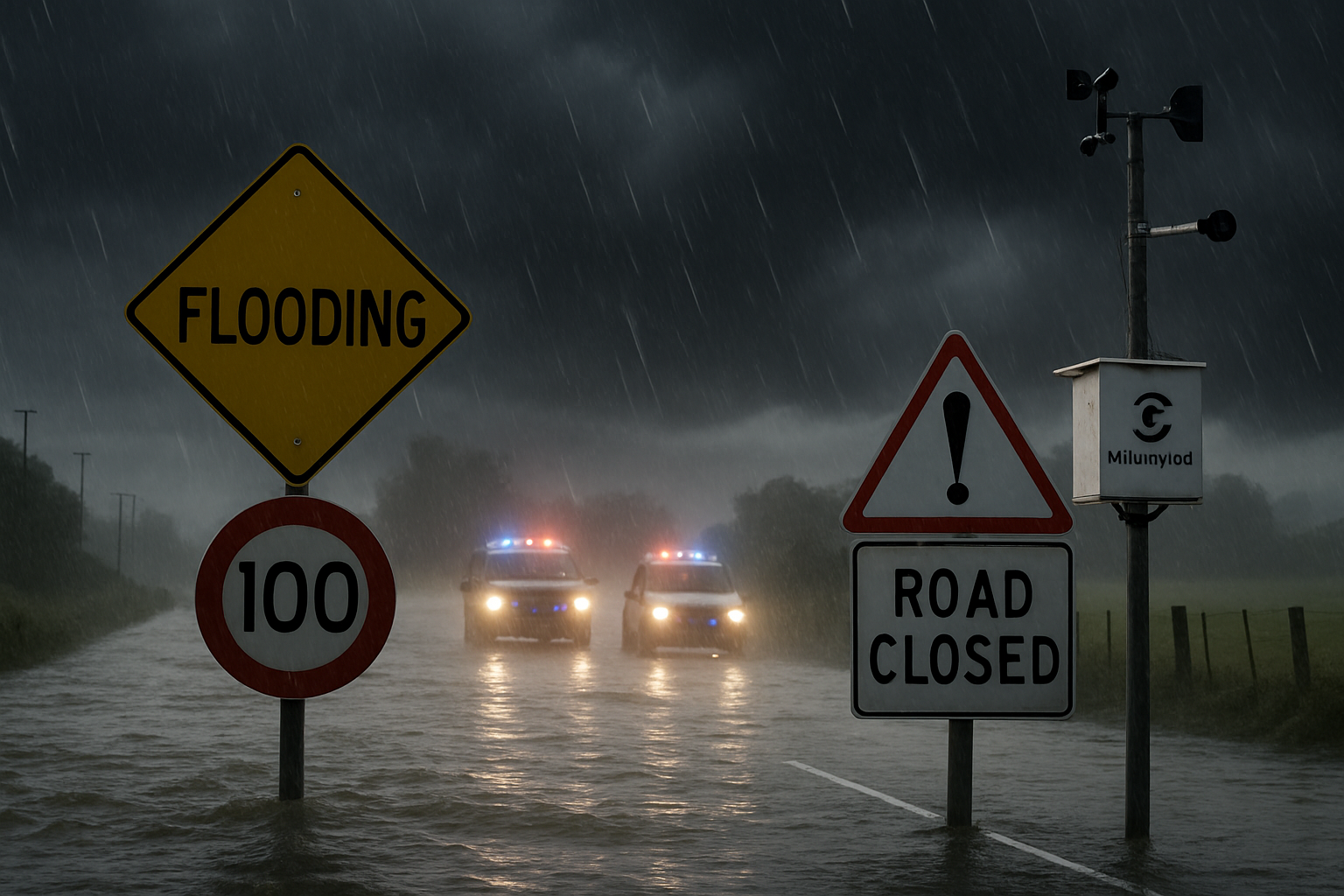
New Zealand faces a severe weather emergency as MetService issues red warnings for potentially life-threatening conditions, with up to 320mm of rain expected to batter the North Island in what meteorologists are calling an "impactful" weather event.
The weather service has described the approaching system as posing a direct "threat to life," prompting urgent preparations across affected regions. MetService forecasters predict the deep subtropical low will deliver heavy rain and strong northeast winds across Northland, Auckland, Coromandel Peninsula, and the Bay of Plenty over the coming days.
Unprecedented Rainfall Forecast
The subtropical weather system is expected to bring exceptional rainfall totals, with some areas potentially receiving up to 320mm - equivalent to several months' worth of normal precipitation compressed into just days. This extraordinary volume of rainfall threatens to overwhelm drainage systems and trigger widespread flooding across vulnerable low-lying areas.
Business owners along New Zealand's east coast are already "hunkering down for what promises to be a wet and wild few days," according to reports from affected regions. The scale of the predicted rainfall has prompted authorities to issue their highest level warnings, indicating the potential for significant impacts on infrastructure and public safety.
Regional Impact Assessment
Northland appears to be in the direct path of the most severe conditions, with meteorologists predicting sustained heavy rainfall and dangerous wind gusts. The region's exposure to northeast winds makes it particularly vulnerable to the subtropical system's most intense phases.
Auckland, New Zealand's largest urban center, faces the prospect of significant disruption as the weather system tracks across the upper North Island. The combination of heavy rainfall and strong winds threatens to impact transportation networks, power infrastructure, and essential services across the metropolitan area.
The Coromandel Peninsula and Bay of Plenty regions are also bracing for severe conditions, with authorities advising residents to prepare for potential evacuations and extended periods without normal services.
Emergency Response Preparations
Local emergency services across the North Island have activated enhanced preparedness protocols in anticipation of the severe weather. The comprehensive warnings issued by MetService allow authorities and residents crucial time to implement safety measures and secure property before conditions deteriorate.
The emphasis on life-threatening conditions reflects lessons learned from previous weather emergencies that have affected New Zealand in recent years. Emergency management officials are taking a proactive approach, recognizing that early warning systems can significantly reduce the human cost of extreme weather events.
Climate Context and Historical Perspective
This latest weather emergency occurs against the backdrop of increasingly volatile global weather patterns. Recent meteorological data shows the world has experienced 22 consecutive months of temperatures exceeding 1.5°C above pre-industrial levels - the longest sustained warming streak in recorded human history.
New Zealand has experienced a series of severe weather events in recent years, including devastating flooding that isolated communities for extended periods. Previous emergencies have demonstrated the vulnerability of the country's infrastructure to extreme rainfall events, particularly in regions like Banks Peninsula, where communities have been cut off by landslides and flooding.
The pattern of increasingly intense weather systems affecting New Zealand reflects broader global climate volatility, where warming temperatures enable more extreme precipitation events. Scientists have consistently warned that such conditions represent a preview of routine weather patterns expected in the 2030s without significant climate adaptation measures.
Infrastructure and Economic Implications
The predicted severe weather poses significant threats to New Zealand's transportation networks, with the potential for road closures, flight cancellations, and disruption to ferry services. Historical precedents suggest that recovery from major weather events can take weeks or even months, particularly in rural and isolated communities.
Agricultural sectors face immediate risks from the combination of heavy rainfall and strong winds, potentially affecting crops during critical growing periods. The tourism industry, vital to New Zealand's economy, may also experience disruptions during what should be peak seasonal activity.
Power infrastructure represents another vulnerable element, with strong winds and flooding capable of causing widespread outages that can persist for extended periods. Previous weather emergencies have demonstrated how quickly essential services can be compromised by extreme conditions.
Community Resilience and Preparedness
The advance warning provided by MetService enables communities across the North Island to implement protective measures before conditions deteriorate. Emergency officials are emphasizing the importance of having emergency supplies, alternative communication methods, and evacuation plans in place.
Community networks and neighbor assistance have proven crucial during previous weather emergencies, providing essential support when official services become overwhelmed. The integration of traditional knowledge with modern meteorological forecasting continues to enhance New Zealand's ability to prepare for and respond to extreme weather events.
Looking Ahead
As the subtropical low approaches New Zealand, authorities are maintaining close monitoring of conditions and stand ready to upgrade warnings if the situation deteriorates further. The comprehensive preparation efforts reflect hard-learned lessons from previous weather emergencies and the recognition that proactive measures can significantly reduce the impact of extreme weather events.
The severe weather system represents another test of New Zealand's resilience and adaptation capabilities in an era of increasing climate volatility. The country's experience with this event will provide valuable insights for future emergency preparedness and climate adaptation strategies.
Residents across the North Island are advised to stay informed through official channels, avoid unnecessary travel during the most severe conditions, and be prepared for potential disruptions to normal services. The next 48-72 hours will be critical as the full impact of this significant weather system becomes apparent.