Nigerian immigration attachés stationed abroad have been working without pay for over 15 months while the country faces escalating security challenges across multiple states, creating a multi-faceted governance crisis that exposes deep-rooted administrative failures and threatens both international diplomatic operations and domestic stability.
According to an exclusive SaharaReporters investigation, immigration officers responsible for visa processing, passport services, and immigration-related documentation for Nigerians and foreign nationals have been experiencing severe financial hardship, with many forced to send their families home due to unpaid salaries spanning more than a year.
The financial crisis affecting Nigeria's diplomatic missions abroad comes as the country grapples with intensifying security challenges across different states, painting a picture of systematic governance failures that stretch from international operations to domestic security management.
Immigration Officers Face Financial Hardship
The affected immigration attachés, who serve as crucial links between Nigeria and its diaspora communities, have been operating essential services while struggling with personal financial crises. These officers handle critical functions including visa processing for foreign nationals seeking to enter Nigeria, passport services for Nigerian citizens abroad, and various immigration-related documentation that facilitates legitimate travel and business.
The 15-month salary delay has created a humanitarian crisis within Nigeria's diplomatic missions, with officers reportedly unable to maintain basic living standards in their host countries. The situation has become so dire that many have been forced to make the difficult decision of sending their families back to Nigeria, disrupting children's education and family stability.
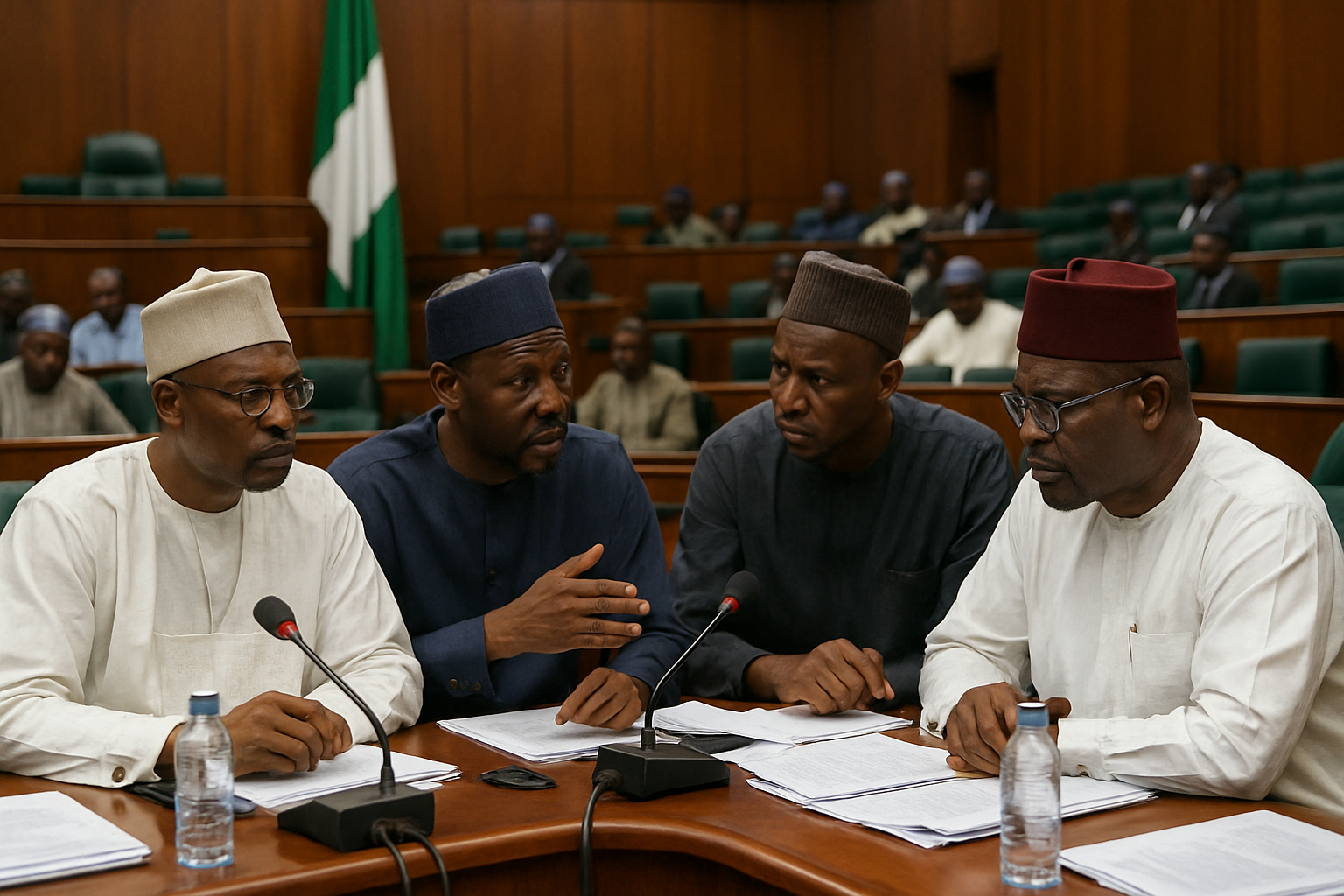
House of Representatives committees have now queried the Nigeria Immigration Service (NIS) over these unprecedented delays, highlighting the severity of the administrative breakdown affecting Nigeria's international operations.
Multiple Security Challenges Across Nigerian States
While immigration officers struggle abroad, Nigeria faces mounting security challenges across multiple states, demonstrating the breadth of governance problems affecting the country.
In Benue State, residents have raised urgent alarms over reports of armed herders allegedly roaming communities and farmlands in Guma and Logo Local Government Areas, raising fears of potential attacks. Residents of Nyiev Council Ward in Guma LGA and Mbavuur Council Ward in Logo LGA called on security agencies and government to take immediate action to prevent potential violence.
Kogi State recently experienced significant security concerns that forced the government to shut down all public and private schools indefinitely across the state as preventive measures against insecurity. The schools have now been cleared to resume operations, but the incident highlights the volatile security situation affecting educational activities.
Law Enforcement Operations Show Mixed Results
Security agencies have recorded some successes in their operations across the country. The Nigerian Navy Ship (NNS) Beecroft in Lagos achieved a major breakthrough by intercepting and seizing 486 kilograms of suspected cannabis sativa during a late-night operation around the Apapa-Ijora axis. The operation dealt a significant blow to suspected drug syndicates operating along Lagos waterways.
"We'll go after fleeing suspects and ensure they face the full wrath of the law,"
— Navy Officials, NNS Beecroft Command
However, these isolated successes occur against a backdrop of broader security challenges that continue to test Nigeria's capacity to maintain stability across its diverse regions.
Political and Governance Tensions
The security and administrative challenges occur amid ongoing political tensions at various levels of government. Senator Ireti Kingibe, representing the Federal Capital Territory (FCT), has accused FCT Minister Nyesom Wike of running the nation's capital in an autocratic manner, stating that the minister believes governance should be driven solely by his personal decisions.
These political tensions add another layer to Nigeria's governance challenges, as effective coordination between federal, state, and local authorities becomes increasingly critical for addressing security concerns and administrative failures.
Meanwhile, Governor Peter Mbah of Enugu State has been conducting unannounced inspections of major infrastructure projects, including the 44.1km Enugu-Opi-Nsukka road construction, while also visiting security flashpoints in the state. This hands-on approach contrasts with reports of neglect in other areas of government operations.
Religious and Community Leadership Response
Religious leaders have begun speaking out about the country's challenges. The President of the Christian Association of Nigeria (CAN), Most Rev. Dr. Daniel Okoh, has called on Nigerians to remain hopeful despite the hardship and insecurity facing the country. He urged citizens to embrace a life of faith, humility, and obedience to God as a pathway to national renewal.
Traditional rulers and community leaders are also playing increasingly active roles. The United Igbo Elders Council Worldwide (UNIEC) has expressed satisfaction with what it described as a renewed spirit of engagement by South-East traditional rulers on issues of regional and national importance, particularly commending interventions during high-level national meetings in Abuja.
Economic Pressures Add to Challenges
Nigeria's governance challenges are compounded by economic pressures. The Lagos State Government has announced the enforcement of a five percent withholding tax on gaming payouts, directing licensed betting companies across the state to begin immediate automatic deductions from customers' winnings. This move reflects the government's efforts to increase revenue streams amid fiscal constraints.
The financial pressures affecting immigration officers abroad appear to be part of a broader pattern of resource constraints affecting various aspects of government operations, from diplomatic missions to domestic security agencies.
International Implications and Diplomatic Consequences
The failure to pay immigration attachés for over 15 months carries significant implications for Nigeria's international relations and diplomatic operations. These officers serve as the first point of contact for many foreign nationals seeking to engage with Nigeria, whether for business, tourism, or other legitimate purposes.
Disrupted immigration services could affect visa processing times, passport renewals for Nigerian citizens abroad, and other critical services that facilitate international travel and business relationships. The situation also damages Nigeria's reputation as a reliable partner in international cooperation and diplomatic relations.
Impact on Diaspora Relations
Nigerian communities abroad rely heavily on consular services, including immigration-related support. The financial hardship affecting immigration officers could compromise the quality and availability of these essential services, potentially straining relationships with diaspora communities that contribute significantly to Nigeria's economy through remittances and investments.
Systemic Governance Failures Exposed
The convergence of unpaid diplomatic staff, expanding security challenges, and political tensions reveals systemic governance failures that extend beyond individual incidents or departments. The situation suggests deeper problems with resource allocation, administrative coordination, and strategic planning at the federal level.
The fact that immigration officers can go unpaid for 15 months while the country faces multiple security challenges indicates fundamental breakdowns in both financial management and priority setting within the government system.
Path Forward and Reform Imperatives
Addressing these interconnected challenges requires comprehensive reforms that go beyond immediate crisis management. The government must prioritize both short-term solutions—such as immediately paying the outstanding salaries to immigration attachés—and long-term structural reforms to prevent similar crises.
Effective coordination between federal, state, and local authorities becomes crucial for addressing security challenges while ensuring that essential services, both domestic and international, continue to function effectively. This includes proper funding and oversight of diplomatic missions abroad, which serve as vital links in Nigeria's international relationships.
The involvement of House of Representatives committees in querying the NIS over unpaid salaries represents an important step toward accountability, but sustained oversight and reform will be necessary to address the root causes of these governance failures.
As Nigeria approaches future electoral cycles, voters and civil society organizations will likely scrutinize the government's ability to address these fundamental governance challenges that affect everything from diplomatic operations to domestic security and citizen welfare.
The current crisis serves as a stark reminder that effective governance requires not only political will but also competent administration, proper resource allocation, and sustained commitment to institutional integrity across all levels and aspects of government operations.