Armed gunmen killed at least 162 people during coordinated attacks on villages in Nigeria's Kwara state on Tuesday evening, February 3, 2026, in one of the deadliest assaults the West African nation has witnessed in recent months.
The attacks targeted the remote villages of Woro and Nuku in Kaiama Local Government Area of Kwara state, with initial casualty reports varying significantly as rescue operations continue. While local Nigerian sources initially reported 40 deaths, international relief organizations and lawmakers have confirmed the toll has risen to at least 162, with some sources citing as many as 170 fatalities.
Babaomo Ayodeji, secretary of the Red Cross in Kwara State, told AFP that the death toll had risen dramatically throughout Wednesday as search and rescue teams recovered more bodies. "According to the latest reports, the death toll now stands at 162, while searches for other bodies continue," he said.
Pattern of Violence Emerges
According to witness testimonies gathered by investigators, the attackers opened fire on residents before systematically burning shops and destroying the royal palace of the village. The assault sent residents fleeing into surrounding bushland, with authorities and soldiers now conducting extensive search operations in the area.
Police and state government officials have attributed responsibility for the massacre to "terrorist cells" operating in the region, though no specific group has been officially identified or claimed responsibility for the attacks.
The methodology of the assault—targeting civilian populations, destroying infrastructure, and forcing mass displacement—mirrors tactics used by various armed groups that have plagued Nigeria's security landscape for over a decade.
Security Response Intensifies
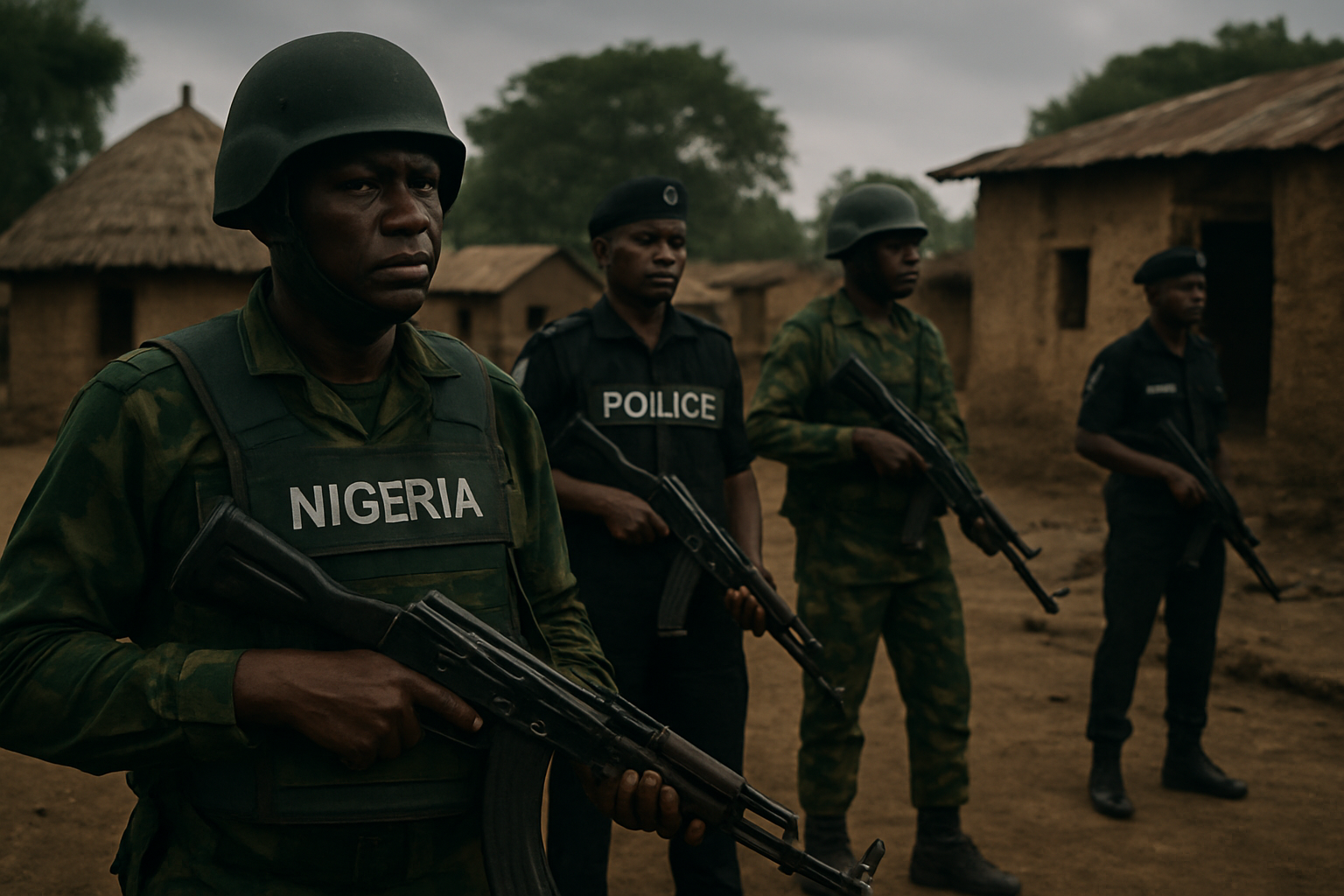
Nigerian security forces, including soldiers and forest guards, have taken control of the affected communities following the Tuesday evening assault. A local government source, speaking anonymously to journalists, confirmed the deployment of additional security personnel and the establishment of operational bases in both Woro and Nuku villages.
The attack represents a significant escalation in violence in Kwara state, which has generally been considered more stable than Nigeria's northeastern regions where Boko Haram and Islamic State West Africa Province (ISWAP) have conducted numerous deadly attacks.
Nigerian military sources indicate that the attack occurred despite recent operations against what officials described as "terrorist elements" in the area, suggesting the persistent challenge of securing vast rural territories with limited resources.
Regional Security Crisis Context
This latest massacre occurs within a broader context of escalating insecurity across West Africa and the Sahel region. In recent weeks, neighboring Niger experienced an attack on Diori Hamani International Airport, while Mali has faced systematic killings of fuel truck drivers disrupting vital supply routes.
The timing of the Kwara attack is particularly concerning given Nigeria's upcoming strategic decisions regarding regional security cooperation and international partnerships. The country has been grappling with multiple security challenges simultaneously, including insurgency in the northeast, banditry in the northwest, and rising kidnapping incidents across various states.
Humanitarian Crisis Unfolds
International humanitarian organizations are mobilizing to provide assistance to survivors who fled into bushland during the attack. Many residents remain unaccounted for, and authorities are working to establish the full scope of casualties and missing persons.
The destruction of shops and the royal palace has eliminated key community infrastructure, creating immediate needs for food, shelter, and medical care for those who have lost their homes and livelihoods.
"This represents one of the deadliest incidents we've seen in this region in recent months. The systematic nature of the attack and the targeting of civilian infrastructure suggests this was a planned operation designed to terrorize and displace the community."
— Security Analysis Source
Nigeria's Broader Security Challenges
The Kwara massacre highlights Nigeria's ongoing struggle with multiple security threats across its territory of over 200 million people. The country faces insurgency groups in the northeast, cattle herder-farmer conflicts in the middle belt, banditry in the northwest, and separatist tensions in the southeast.
President Bola Tinubu's administration has prioritized security sector reform and increased military spending, but critics argue that the approach has been primarily reactive rather than addressing root causes of instability.
The attack also raises questions about intelligence gathering and early warning systems in remote areas where government presence remains limited despite official commitments to expand security coverage.
International Implications
Nigeria's security situation has significant implications for regional stability and international interests. As Africa's most populous nation and largest economy, Nigeria's internal security challenges affect broader West African stability and international efforts to combat terrorism in the Sahel.
The country serves as a major partner in international counterterrorism efforts and contributes significantly to regional peacekeeping missions. Escalating domestic security challenges could impact these international commitments and regional leadership role.
International partners, including the United States, United Kingdom, and European Union, have provided various forms of security assistance to Nigeria, but the persistence of such large-scale attacks raises questions about the effectiveness of current approaches.
Community Impact and Recovery
The destruction of the royal palace in Woro village represents more than physical damage—it strikes at the heart of traditional authority structures that serve as pillars of rural Nigerian communities. Traditional rulers play crucial roles in conflict resolution and community governance, making their targeting particularly destabilizing.
Recovery efforts will need to address not only immediate humanitarian needs but also the reconstruction of social institutions and economic activities that sustain rural livelihoods. The burning of shops eliminates local commerce that provides essential goods and services to surrounding areas.
Psychological trauma from such large-scale violence often has lasting impacts on community cohesion and trust in government security guarantees, potentially creating long-term challenges for stability and development.
Call for Comprehensive Response
As rescue operations continue and the full extent of casualties becomes clear, the Kwara massacre underscores the urgent need for comprehensive security reform in Nigeria. The scale of the attack and its location in a previously relatively stable state suggests that security challenges are expanding beyond traditional hotspots.
Experts argue that effective responses must combine immediate security measures with longer-term strategies addressing economic development, education, and governance in vulnerable communities. The pattern of attacks targeting civilian populations and infrastructure indicates that purely military approaches may be insufficient without broader social and economic interventions.
The coming days will likely bring additional details about the attackers' identities and motivations, but the immediate priority remains providing assistance to survivors and preventing further attacks in the region.
This tragedy serves as a stark reminder of the human cost of Nigeria's ongoing security challenges and the urgent need for effective solutions to protect vulnerable communities from such devastating violence.