Nigerian militants launched deadly coordinated attacks on villages in western Kwara state, killing at least 162 people according to Red Cross officials, as the country grapples with an escalating security crisis that has now spread beyond its traditional northeastern strongholds.
The devastating attacks targeted the communities of Woro and Nuku in Kaiama Local Government Area of Kwara state, with different sources reporting varying casualty figures. While the Red Cross confirmed 162 deaths, other reports indicate the toll could be as high as 75 in these specific villages, with the discrepancy highlighting the ongoing confusion and difficulty in accessing the affected areas.
A member of parliament representing the affected constituency confirmed that both villages bore the brunt of the systematic assault, which saw attackers burn shops and destroy the local royal palace before forcing residents to flee into surrounding bushland for safety.
Context of Nigeria's Expanding Security Crisis
This latest massacre represents a significant escalation in Nigeria's security challenges, occurring in Kwara state, which had previously been considered relatively stable compared to the insurgency-ravaged northeastern regions. The attack forms part of a broader West African security crisis that has seen violent incidents across the Sahel region in recent weeks.
According to previous reports from February 2026, Nigeria's security situation has deteriorated rapidly, with multiple fronts of violence now affecting different regions simultaneously. The Kwara attack comes amid other regional security challenges including recent airport assaults in Niger and systematic killings of fuel convoy drivers in Mali, indicating a coordinated pattern of extremist activity across West Africa.
Red Cross Secretary Babaomo Ayodeji confirmed that search and rescue operations are continuing, with many residents still unaccounted for. The rising death toll reflects the systematic nature of the attacks and the difficulty emergency responders face in reaching remote rural areas.
Government Response and Security Operations
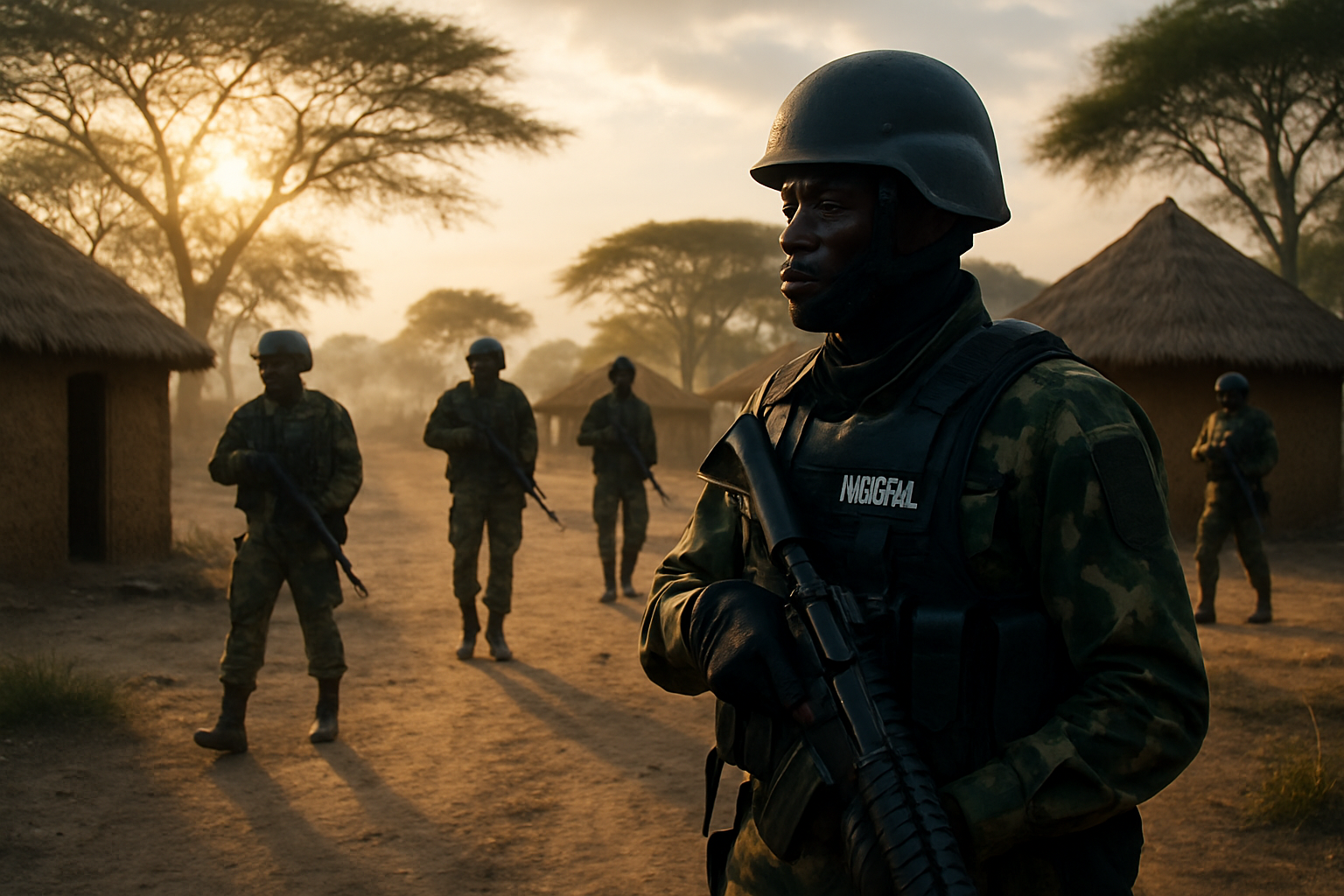
Nigerian authorities have attributed the attacks to "terrorist cells" and have deployed soldiers alongside forest guards to secure the affected communities. The government's response reflects a pattern of military deployment that has become increasingly common as security threats spread across multiple states.
The attacks highlight the challenges facing Nigeria's security apparatus, which has been stretched thin dealing with various forms of insurgency, banditry, and communal violence across the country. The spread of violence to previously stable areas like Kwara state demonstrates the limitations of current counter-terrorism strategies.
Regional Security Implications
The Nigerian attacks occur within a broader context of deteriorating security across West Africa. Recent incidents include a major assault on Niger's Diori Hamani Airport where 20 attackers were killed, and the systematic execution of 15 fuel truck drivers in western Mali, marking the first time drivers have been systematically targeted according to international reports.
The pattern of violence reflects the growing influence of extremist groups that have capitalized on weak governance structures and porous borders across the Sahel region. These groups have demonstrated increasing sophistication in their operations, moving beyond traditional territorial control to disrupt economic activities and civilian life across multiple countries.
International Response and Concerns
International observers have noted the coordinated nature of recent attacks across West Africa, with some suggesting that terrorist groups are sharing tactics and potentially coordinating operations across borders. The Alliance of Sahel States, comprising Niger, Mali, and Burkina Faso, has distanced itself from traditional regional cooperation frameworks, complicating international counter-terrorism efforts.
The United States has criticized diplomatic overtures to junta-led Sahelian states, warning that such engagement sends the wrong message about tolerance for military governments. However, the deteriorating security situation has forced a pragmatic approach, with organizations like ECOWAS reaching accommodation agreements with military leaders.
Humanitarian Impact and Displacement
The attacks have created a humanitarian emergency in the affected areas, with survivors forced to seek shelter in bushland and neighboring communities. The destruction of the royal palace and local infrastructure has disrupted traditional governance structures and community organization.
Rescue operations continue as authorities work to establish the full extent of casualties and provide assistance to survivors. The remote location of the affected villages has complicated relief efforts, with many areas remaining difficult to access due to security concerns.
Broader Implications for Nigeria
The Kwara attacks represent a concerning expansion of Nigeria's security crisis beyond the country's northeastern regions, traditionally associated with Boko Haram insurgency. This geographic spread suggests that extremist groups are adapting their strategies and finding new areas of vulnerability in Nigeria's vast territory.
The incident occurs as Nigeria faces multiple security challenges across different regions, including conflicts in the Middle Belt, banditry in the northwest, and separatist tensions in the southeast. The government's ability to simultaneously address these various security threats while maintaining economic development and democratic governance faces increasing scrutiny.
As search and rescue operations continue in Kwara state, the full impact of this latest tragedy continues to unfold. The attacks serve as a stark reminder of the complex security challenges facing Nigeria and the broader West African region, where traditional counter-terrorism approaches have proven insufficient to address the evolving threat landscape.