With the Super Mario Galaxy Movie continuing its box office dominance, entertainment industry observers are increasingly speculating whether Nintendo might expand beyond individual franchise films to create an interconnected cinematic universe, following the model pioneered by Marvel Studios.
The Japanese gaming giant's foray into Hollywood has proven remarkably successful, with the latest Mario film demonstrating that video game adaptations can achieve both critical acclaim and commercial success when approached with the right strategy. This achievement has prompted Bloomberg Opinion's Gearoid Reidy and other industry analysts to examine whether Nintendo possesses the necessary elements to build a comprehensive cinematic universe spanning its diverse portfolio of beloved franchises.
Learning from Marvel's Cinematic Success
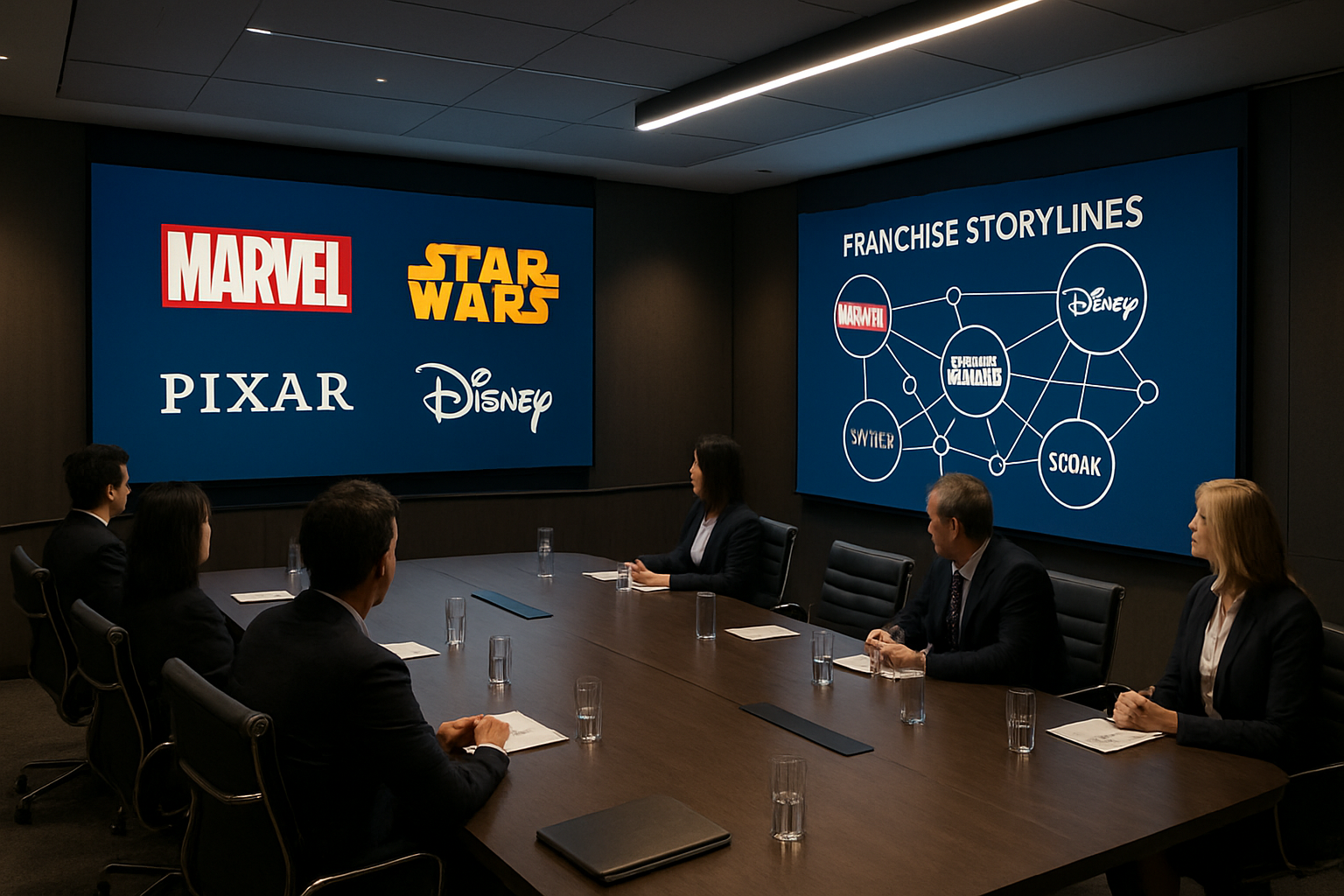
Marvel's cinematic universe represents the gold standard for interconnected storytelling across multiple franchises. The model's success lies in careful planning, character development, and strategic cross-pollination between individual properties. For Nintendo, the challenge would be adapting this approach to franchises that were never designed with cinematic interconnection in mind.
"Nintendo has something Marvel didn't initially possess – decades of established character relationships and a unified aesthetic vision," explains entertainment industry analyst Sarah Chen. "The question is whether they can translate that into compelling cinematic narratives that serve both longtime fans and mainstream audiences."
The gaming company's vast intellectual property portfolio includes franchises spanning multiple genres and tones, from the whimsical adventures of Super Mario to the epic fantasy of The Legend of Zelda, the sci-fi action of Metroid, and the creature-collecting phenomenon of Pokémon. Each represents a potential cornerstone for a broader cinematic universe.
Nintendo's Unique Advantages
Unlike many entertainment companies attempting to build cinematic universes, Nintendo possesses several distinct advantages that could facilitate success. The company maintains tight creative control over its properties and has demonstrated remarkable consistency in character design and world-building across decades of game development.
Nintendo's recent financial success provides additional leverage for ambitious projects. The company reported a 51.3% profit increase to ¥358.9 billion in the April-December 2025 period, while the Nintendo Switch became the best-selling console in company history with 155.37 million units sold worldwide. This financial stability could support the long-term investment required for cinematic universe development.
"Nintendo's strength lies in creating universally appealing characters and stories that transcend cultural boundaries. That's exactly what you need for a successful cinematic universe."
— Dr. Maria Rodriguez, Entertainment Industry Researcher
The company's approach to storytelling emphasizes accessibility and emotional resonance over complex narratives, potentially making it easier to create films that appeal to broad audiences while maintaining franchise integrity. This philosophical alignment with successful cinematic universe principles could prove crucial.
Potential Franchise Integration Strategies
Industry experts suggest several approaches Nintendo could employ to create meaningful connections between its disparate franchises. The most promising strategy involves establishing a multiverse concept that allows different game worlds to coexist without requiring fundamental changes to established lore.
The Super Mario Galaxy setting, with its cosmic scope and dimensional travel elements, could serve as a natural bridge between different Nintendo universes. Similarly, franchises like Super Smash Bros. have already established precedent for characters from different worlds interacting in tournament-style settings.
Another approach would focus on shared themes rather than direct character crossovers, exploring common elements like heroism, friendship, and environmental protection across different franchise films before bringing characters together in culminating crossover events.
Challenges and Potential Pitfalls
Despite these advantages, Nintendo faces significant challenges in pursuing a cinematic universe strategy. The company's franchises operate in vastly different tonal registers, making seamless integration potentially problematic. The family-friendly nature of Mario contrasts sharply with the more serious sci-fi themes of Metroid or the epic fantasy scope of Zelda.
Recent industry developments highlight additional concerns about oversaturation in the entertainment market. The gaming industry itself faces supply chain pressures, with global memory chip shortages affecting hardware production and rising costs impacting consumer spending patterns. These broader industry challenges could affect audience appetite for extensive franchise expansion.
Furthermore, Nintendo's traditionally cautious approach to licensing and external partnerships might conflict with the collaborative nature required for successful cinematic universe development. The company would need to balance creative control with the flexibility necessary for complex, interconnected storytelling.
Market Timing and Consumer Reception
The current entertainment landscape presents both opportunities and obstacles for Nintendo's potential cinematic ambitions. Audiences have demonstrated appetite for well-crafted video game adaptations, as evidenced by recent successes beyond Nintendo's own properties. However, the market has also shown fatigue with poorly executed cinematic universe attempts by other studios.
The timing coincides with significant changes in the gaming industry itself. Nintendo recently announced production cuts for the Switch 2 console following disappointing holiday sales, despite the original Switch's record-breaking success. These market dynamics suggest the company might benefit from diversifying revenue streams through enhanced entertainment properties.
Consumer research indicates that successful cinematic universes require careful pacing and quality control. Rushing to capitalize on the Super Mario movie's success without adequate planning could potentially damage Nintendo's carefully cultivated brand reputation.
Technology and Production Considerations
Modern cinematic universe development relies heavily on advanced production technologies and substantial financial investment. Nintendo would need to establish or partner with production facilities capable of creating high-quality animated content at the scale required for multiple concurrent film projects.
The company's recent experience with mobile gaming expansion, including the launch of educational applications like "¡Hola, Mario!" demonstrates Nintendo's willingness to explore new technological platforms and distribution methods. This adaptability could prove valuable in navigating the complex production requirements of cinematic universe development.
Industry observers note that Nintendo's strong relationships with Japanese animation studios could provide a foundation for production partnerships, potentially offering cost advantages and creative synergies unavailable to other companies attempting similar ventures.
Strategic Recommendations and Future Outlook
Entertainment industry experts recommend a measured approach for Nintendo's potential cinematic universe development. Rather than rushing to announce interconnected films, the company could benefit from developing individual franchise movies while gradually introducing shared universe elements.
The success of the Super Mario Galaxy Movie provides a template for quality and tone that could guide future projects. Establishing consistent creative standards across different franchises would help maintain brand coherence while respecting the unique characteristics of each property.
Long-term success would likely depend on Nintendo's ability to balance fan expectations with mainstream appeal, a challenge that has proven difficult for many entertainment companies. The company's decades of experience creating content that satisfies both demographics could prove invaluable in this endeavor.
Industry Impact and Broader Implications
If Nintendo successfully develops a cinematic universe, it could reshape the entertainment industry's approach to video game adaptations and franchise development. The company's success might encourage other gaming companies to pursue similar strategies, potentially creating a new category of entertainment property.
The broader implications extend beyond entertainment into areas of international cultural exchange and soft diplomacy. Nintendo's global brand recognition and cultural appeal could help Japanese entertainment properties achieve greater international prominence, following the model established by other successful cultural exports.
As the entertainment industry continues evolving in response to changing consumer preferences and technological capabilities, Nintendo's approach to cinematic universe development could provide valuable insights for other companies navigating similar challenges. The gaming giant's unique position as both a technology company and entertainment brand offers perspectives unavailable to traditional film studios.
Whether Nintendo ultimately pursues a full cinematic universe or focuses on individual franchise development, the company's success with the Super Mario Galaxy Movie has demonstrated the potential for video game properties to achieve mainstream entertainment success when approached with appropriate creativity and investment. The industry will be watching closely to see how this gaming pioneer chooses to leverage its remarkable creative portfolio in the evolving entertainment landscape.