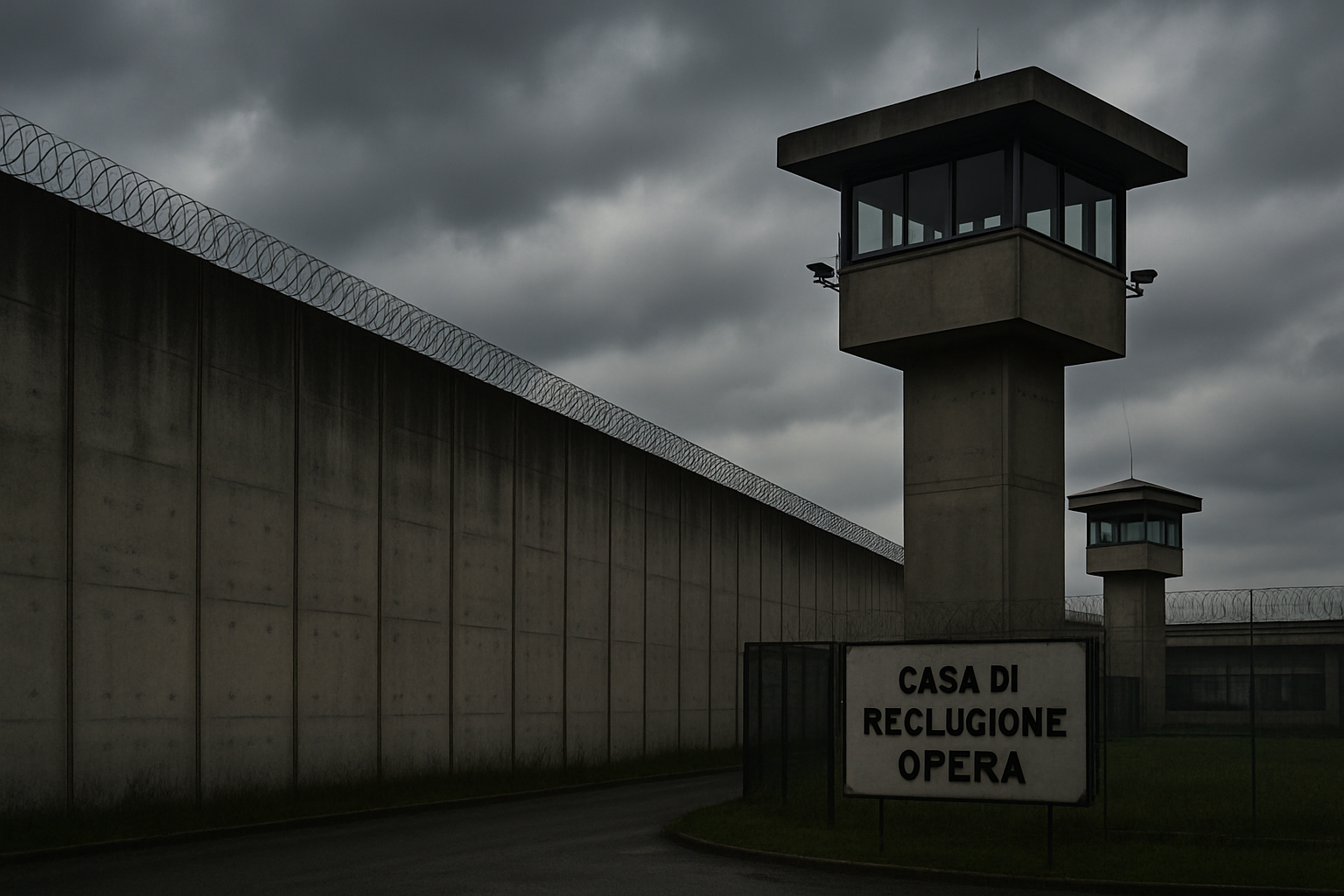
Benedetto "Nitto" Santapaola, one of Sicily's most notorious mafia bosses, has died in Opera prison in Milan, marking the end of an era for one of Cosa Nostra's most feared figures who had been incarcerated since May 1993.
Santapaola, 77, passed away on March 2, 2026, in the maximum-security facility where he had spent over three decades of his life sentence. Known by the chilling nickname "Il Cacciatore" (The Hunter), he was considered one of the most ruthless and powerful mafia leaders in Sicily's criminal underworld.
The Rise of "The Hunter"
Born in Catania, Sicily, Santapaola earned his fearsome reputation through a combination of calculated brutality and strategic intelligence that allowed him to dominate the eastern Sicilian criminal landscape for decades. His nickname "The Hunter" was not merely a moniker—it embodied his methodical approach to eliminating rivals and maintaining control over his territory.
As the undisputed boss of the Catania region, Santapaola controlled vast criminal enterprises including drug trafficking, extortion, and illegal construction contracts. His influence extended far beyond Sicily, with connections to international drug cartels and other organized crime syndicates across Europe.
Reign of Terror and Arrest
Throughout the 1980s and early 1990s, Santapaola was linked to numerous high-profile murders and violent conflicts with rival mafia families. His criminal organization was responsible for destabilizing entire communities in eastern Sicily, where businesses lived in fear of his extortion demands and territorial disputes often erupted into bloody warfare.
The mafia boss's reign came to an end in May 1993, when Italian authorities finally captured him as part of a broader crackdown on Cosa Nostra following the assassinations of anti-mafia magistrates Giovanni Falcone and Paolo Borsellino in 1992. These killings had sparked unprecedented public outrage and political will to dismantle the mafia's power structure.
Life Behind Bars
During his 33 years in custody, Santapaola was held under the strictest prison regime, known as "41-bis," designed to prevent mafia bosses from continuing to direct criminal activities from behind bars. This harsh isolation meant severely limited contact with the outside world and constant surveillance.
Despite numerous appeals and legal challenges, Santapaola remained imprisoned at Opera, one of Italy's most secure facilities. The prison, located on the outskirts of Milan, houses many of the country's most dangerous criminals and has been specifically designed to prevent escapes and limit criminal communication networks.
Impact on Anti-Mafia Efforts
Santapaola's capture and prolonged imprisonment represented a significant victory for Italian law enforcement and the anti-mafia movement. His removal from the criminal landscape helped weaken the organizational structure of eastern Sicilian Cosa Nostra and demonstrated that even the most powerful mafia bosses were not above the law.
The case also highlighted the effectiveness of Italy's specialized anti-mafia investigative units and the importance of witness protection programs that enabled former associates to testify against their former bosses.
Legacy of Violence
Throughout his criminal career, Santapaola was believed to be responsible for dozens of murders, either directly or through orders to his subordinates. His victims included rival mafia members, law enforcement officials, and civilians who dared to oppose his criminal empire.
The psychological impact of his reign extended far beyond the immediate victims, creating a climate of fear that affected entire communities in Sicily. Local businesses, government officials, and ordinary citizens lived under the constant threat of violence from his organization.
End of an Era
Santapaola's death in custody brings closure to one of the darkest chapters in Sicily's modern history. His passing occurs at a time when Italian authorities continue their ongoing battle against organized crime, with new generations of investigators and prosecutors building on the work of their predecessors who brought him to justice.
While his death removes a symbol of mafia power from the world, law enforcement officials emphasize that the fight against organized crime continues. The structures and methods pioneered in the cases against bosses like Santapaola remain crucial tools in combating contemporary criminal organizations.
Prison officials confirmed that Santapaola died of natural causes, ending a life that had been defined by violence and criminal enterprise. His body will be released to family members for burial, though authorities will maintain strict security measures to prevent any potential demonstrations of support from criminal associates.
The death of Benedetto "Nitto" Santapaola marks not just the end of a single criminal life, but serves as a reminder of both the devastating impact of organized crime on society and the ultimate triumph of justice over lawlessness.