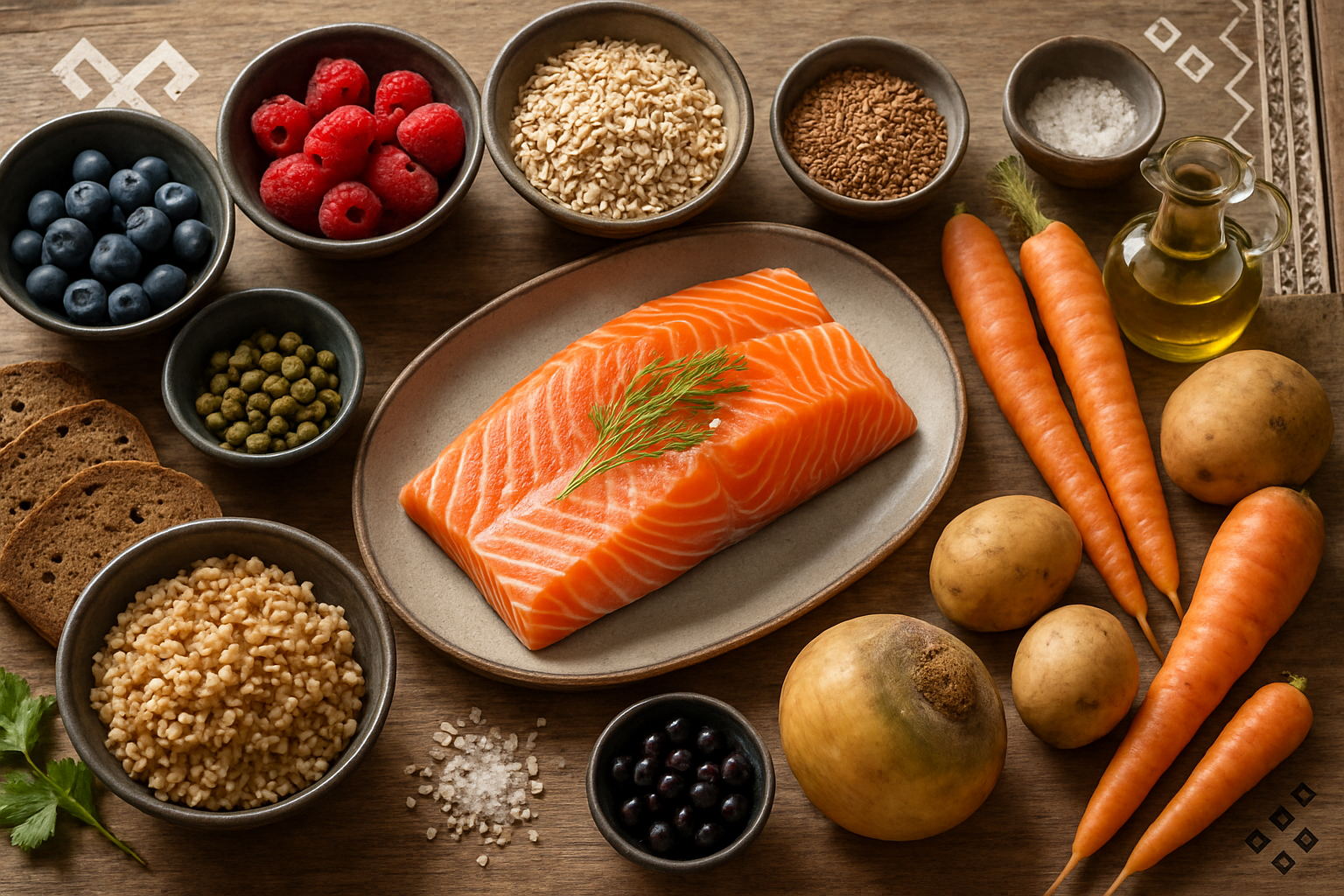
The Nordic diet is emerging as a formidable competitor to the Mediterranean diet, challenging the long-held supremacy of olive oil, seafood, and Mediterranean produce in the realm of healthy eating patterns.
When nutritionists speak of the Mediterranean diet, images of olive oil, fish, seafood, and vibrant fruits and vegetables immediately come to mind. For years, this dietary pattern has been considered one of the world's healthiest approaches to eating. However, a new challenger has emerged from the Nordic countries: the New Nordic Diet, which promises to rival the Mediterranean approach with its own unique health benefits and culinary traditions.
Understanding the Nordic Dietary Revolution
The Nordic diet represents a systematic approach to nutrition based on traditional Scandinavian eating patterns, emphasizing locally sourced ingredients that thrive in Northern European climates. This dietary framework focuses on seasonal foods that have sustained Nordic populations for centuries, now backed by contemporary nutritional science.
Unlike the Mediterranean diet's reliance on olive oil and warm-climate produce, the Nordic approach centers around cold-water fish, berries, root vegetables, whole grains, and legumes that naturally flourish in Scandinavian environments. This geographical adaptation creates a sustainable eating pattern that aligns with both environmental considerations and optimal nutrition.
Core Components of Nordic Nutrition
The foundation of the Nordic diet rests on several key food categories that distinguish it from other global eating patterns. Cold-water fatty fish, including salmon, herring, and mackerel, provide exceptional omega-3 fatty acid profiles that support cardiovascular and cognitive health. These fish species contain higher concentrations of beneficial fats compared to their warm-water counterparts.
Nordic berries, particularly blueberries, lingonberries, and cloudberries, offer unique antioxidant profiles that have demonstrated superior anti-inflammatory properties. Research conducted in February 2026 revealed that forest berries provide optimal fiber and polyphenol balance, stabilizing blood glucose levels with minimal sugar content while delivering extraordinary cardiovascular benefits.
Root vegetables such as beetroots, turnips, and carrots form another cornerstone of Nordic nutrition, providing essential minerals and fiber while supporting metabolic health. Whole grains, including rye, barley, and oats, contribute to sustained energy release and digestive wellness through their complete nutritional profiles.
Scientific Evidence Supporting Nordic Benefits
Emerging research demonstrates that the Nordic diet offers health advantages comparable to, and in some areas exceeding, those associated with the Mediterranean approach. A comprehensive analysis of Nordic eating patterns reveals significant benefits for cardiovascular health, metabolic function, and cognitive performance.
The diet's emphasis on cold-water fish provides optimal omega-3 fatty acid ratios, crucial for reducing inflammation and supporting brain health. Recent studies have shown that Nordic populations following traditional eating patterns demonstrate lower rates of cardiovascular disease and improved cognitive function compared to those following Westernized diets.
"The Nordic diet represents a paradigm shift toward regionally appropriate nutrition that honors both traditional wisdom and modern scientific understanding."
— Nordic Nutrition Research Institute
The anti-inflammatory properties of Nordic berries have shown particular promise in reducing chronic disease risk. The unique polyphenol compositions found in Scandinavian berries demonstrate superior antioxidant activity compared to many tropical fruits, challenging assumptions about which foods provide optimal nutritional benefits.
Comparison with Mediterranean Approaches
While the Mediterranean diet has established a robust evidence base over decades of research, the Nordic approach offers distinct advantages in certain areas. The Mediterranean diet's proven benefits include a documented 25% reduction in stroke risk over 20-year periods, making it a gold standard for cardiovascular protection.
However, the Nordic diet's focus on cold-climate foods provides unique nutritional advantages. The higher omega-3 concentrations in Nordic fish species, combined with the exceptional antioxidant profiles of northern berries, create a nutritional framework potentially superior for inflammatory conditions and cognitive health.
Environmental sustainability represents another area where the Nordic diet demonstrates advantages. The emphasis on locally sourced, seasonally appropriate foods reduces transportation requirements and supports regional food systems, aligning with contemporary concerns about climate impact and food security.
Practical Implementation Strategies
Adopting Nordic dietary principles requires understanding how to incorporate traditional Scandinavian foods into contemporary eating patterns. The approach emphasizes whole, minimally processed foods that can be adapted to various cultural contexts while maintaining core nutritional principles.
Breakfast optimization represents a crucial starting point for Nordic diet implementation. Morning meals should include 20-30 grams of high-quality protein from sources like smoked fish or Nordic dairy products, healthy fats from nuts and seeds, and complex carbohydrates from traditional grains like rye and oats.
Meal timing and food combinations follow Nordic traditions that support metabolic health. The diet emphasizes regular eating patterns that align with natural circadian rhythms, supporting both physical and cognitive performance throughout the day.
Global Context and Cultural Adaptation
The emergence of the Nordic diet occurs within a broader global nutrition renaissance that validates traditional eating patterns through modern scientific research. This trend reflects a growing understanding that optimal nutrition varies by geographical region and cultural heritage, challenging one-size-fits-all dietary recommendations.
The success of the Nordic approach demonstrates how traditional dietary wisdom can be validated and enhanced through contemporary research methods. This model provides a template for other regions to explore their own traditional eating patterns and identify unique nutritional advantages.
Cultural adaptation remains crucial for successful implementation of Nordic principles outside Scandinavian contexts. The core concepts of seasonal eating, local sourcing, and traditional food preparation can be applied using regionally appropriate ingredients while maintaining the fundamental nutritional framework.
Economic and Environmental Considerations
The Nordic diet's emphasis on local sourcing and seasonal foods offers economic advantages through reduced transportation costs and support for regional agriculture. This approach aligns with contemporary trends toward conscious consumption that prioritizes sustainability alongside health benefits.
Environmental benefits extend beyond reduced carbon footprints to include support for biodiversity and traditional farming practices. The Nordic approach encourages diverse food systems that maintain genetic variety in crops and support traditional agricultural knowledge.
Economic accessibility varies by region, but the core principles of seasonal eating and local sourcing can often reduce food costs while improving nutritional quality. The focus on whole foods over processed alternatives generally provides better value while supporting health outcomes.
Future Research Directions
Ongoing research continues to explore the full potential of Nordic dietary patterns, with particular focus on personalized nutrition applications. Scientists are investigating how individual genetic variations might influence responses to Nordic foods, potentially enabling tailored dietary recommendations.
Long-term studies examining Nordic diet effects over multiple decades will provide crucial evidence for comparing benefits with established Mediterranean research. These investigations will help determine optimal implementation strategies for different populations and health conditions.
The integration of traditional Nordic foods with modern food science offers opportunities for developing enhanced functional foods that maximize health benefits while maintaining cultural authenticity. This research direction promises to expand the practical applications of Nordic nutritional principles.
Implications for Global Nutrition Policy
The validation of Nordic dietary principles through scientific research has significant implications for international nutrition guidelines. The success of regionally appropriate eating patterns challenges universal dietary recommendations and supports more nuanced approaches to population health.
Healthcare systems worldwide are beginning to recognize the value of culturally adapted nutrition interventions that honor traditional food practices while incorporating modern scientific understanding. The Nordic model provides a framework for developing such approaches in other cultural contexts.
The convergence of traditional wisdom with contemporary research methodology, exemplified by the Nordic diet validation, represents a paradigm shift in nutritional science. This approach acknowledges that optimal nutrition emerges from the intersection of cultural heritage, environmental factors, and scientific evidence rather than from universal recommendations applied globally.