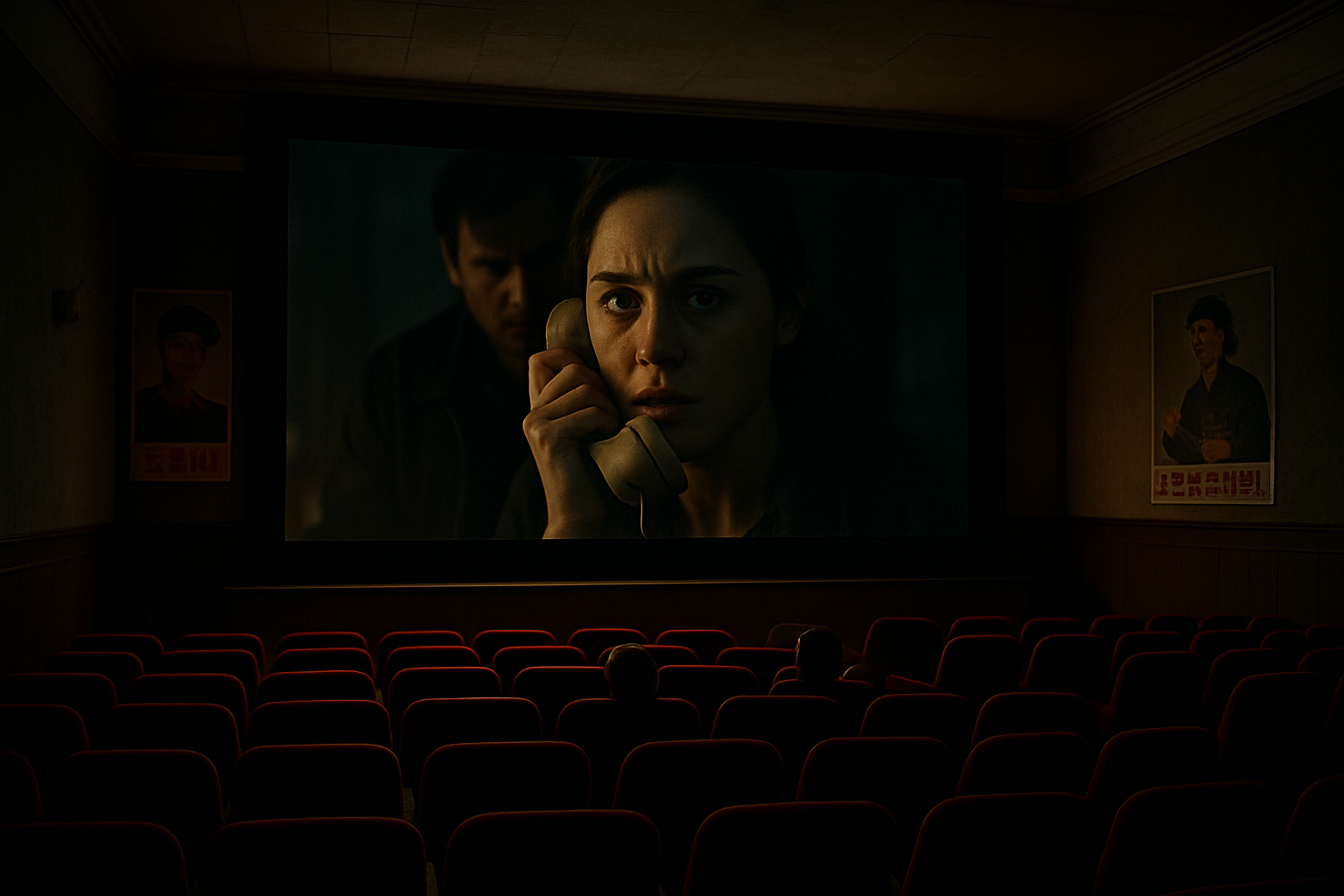
North Korea has broken new ground in its propaganda arsenal by broadcasting a Hollywood-style thriller that depicts a fictional assassination attempt against the late Supreme Leader Kim Jong-il, marking what South Korean media analysts describe as an "unprecedented work addressing a taboo" subject in the hermit kingdom's tightly controlled narrative.
The film, titled "Days and Nights of Confrontation," was broadcast for the first time on state-run Korean Central Television in January 2026, after initially screening exclusively in Pyongyang cinemas throughout 2025. The dramatic thriller represents a notable departure from traditional North Korean cinema, which typically avoids depicting threats against the leadership dynasty, even in fictional contexts.
Breaking the Fourth Wall of Propaganda
The decision to air a film featuring a plot against Kim Jong-il, the father of current leader Kim Jong-un, signals a sophisticated evolution in North Korea's propaganda strategy. Previously, such content would have been considered deeply taboo, as the Kim family's mythological status in North Korean society traditionally positioned them as untouchable figures whose mere representation in vulnerable situations could undermine their divine authority.
South Korean media outlets have characterized the film as employing cinematic techniques reminiscent of Hollywood thrillers, suggesting that North Korean filmmakers are adapting international storytelling conventions to serve domestic propaganda purposes. This approach represents a calculated risk by the regime, betting that dramatizing threats against the leadership—while ultimately showing their triumph—could actually strengthen rather than weaken the personality cult.
The Strategic Messaging Behind Entertainment
The film's plot, which centers on a failed assassination attempt against Kim Jong-il, serves multiple propaganda functions. By depicting external threats against the leadership, the narrative reinforces themes of siege mentality and external hostility that have long been cornerstones of North Korean ideology. The failure of the assassination plot presumably demonstrates the invincibility and protection enjoyed by the Kim dynasty.
The timing of the television broadcast, coming after a year of cinema-only screenings, suggests a deliberate strategy to first test audience reception among Pyongyang's elite before expanding to the broader population. Korean Central Television's decision to air the film nationally indicates that the initial response met the regime's expectations for reinforcing loyalty rather than undermining authority.
Cinematic Sophistication Meets Political Control
The characterization of "Days and Nights of Confrontation" as employing Hollywood-style production values highlights North Korea's ongoing efforts to modernize its cultural output while maintaining strict ideological control. This approach reflects a broader trend in North Korean media production, where technical sophistication is increasingly viewed as essential for maintaining audience engagement in an era of competing entertainment options.
The film's production represents significant investment in the North Korean entertainment sector, suggesting that cultural propaganda remains a high priority for the Kim Jong-un administration. By creating content that can compete aesthetically with international productions while serving domestic political purposes, North Korea demonstrates its understanding of modern audience expectations.
Historical Context and Precedent
North Korean cinema has traditionally served as a vehicle for ideological indoctrination, with films typically focusing on themes of revolutionary struggle, agricultural productivity, and devotion to the leadership. The Kim dynasty has historically been portrayed in mythological terms, with their representation in media carefully controlled to maintain their semi-divine status in North Korean society.
The decision to depict Kim Jong-il as the target of an assassination plot, even one that fails, represents a significant departure from this tradition. It suggests a confidence within the current leadership that the dynasty's authority is sufficiently established to withstand dramatized portrayals of vulnerability, provided the ultimate outcome reinforces their invincibility.
Implications for North Korean Soft Power
The production and broadcast of "Days and Nights of Confrontation" may signal North Korea's broader ambitions to develop its entertainment industry as a tool of both domestic control and international influence. By demonstrating the ability to produce sophisticated thriller content, North Korea positions itself as capable of competing in the global entertainment marketplace while maintaining its ideological distinctiveness.
The film's theatrical release in Pyongyang before its television broadcast suggests an understanding of modern media distribution strategies, including the concept of exclusive premieres and graduated release schedules. This approach indicates that North Korean media professionals are studying and adapting international industry practices to their domestic context.
Regional and International Reactions
South Korean media analysis of the film highlights the ongoing scrutiny that North Korean cultural productions receive from external observers. The characterization of the work as "unprecedented" suggests that regional analysts view it as representing a meaningful shift in North Korean propaganda strategy rather than merely another routine cultural product.
The film's existence and broadcast provide valuable insights into the current thinking of the Kim Jong-un regime regarding the balance between maintaining traditional authority structures and adapting to contemporary media landscapes. The willingness to experiment with previously taboo content suggests a leadership confident in its control and willing to take calculated risks to maintain relevance.
Future Implications for North Korean Cinema
The success of "Days and Nights of Confrontation" in meeting the regime's propaganda objectives could pave the way for further experimentation in North Korean cinema. The demonstrated ability to address sensitive subjects while ultimately reinforcing desired political messages may encourage the production of more sophisticated and engaging content.
However, the long-term impact of this approach remains uncertain. While the film may succeed in capturing domestic audience attention and reinforcing loyalty among current supporters, its effectiveness in attracting new adherents or competing with international entertainment options will depend on continued investment in production values and storytelling sophistication.
The broadcast of "Days and Nights of Confrontation" represents a notable moment in North Korean cultural production, demonstrating the regime's ongoing evolution in its approach to propaganda and entertainment. Whether this signals a broader transformation in North Korean media strategy or remains an isolated experiment will depend on audience reception and the leadership's assessment of the film's success in achieving its political objectives.