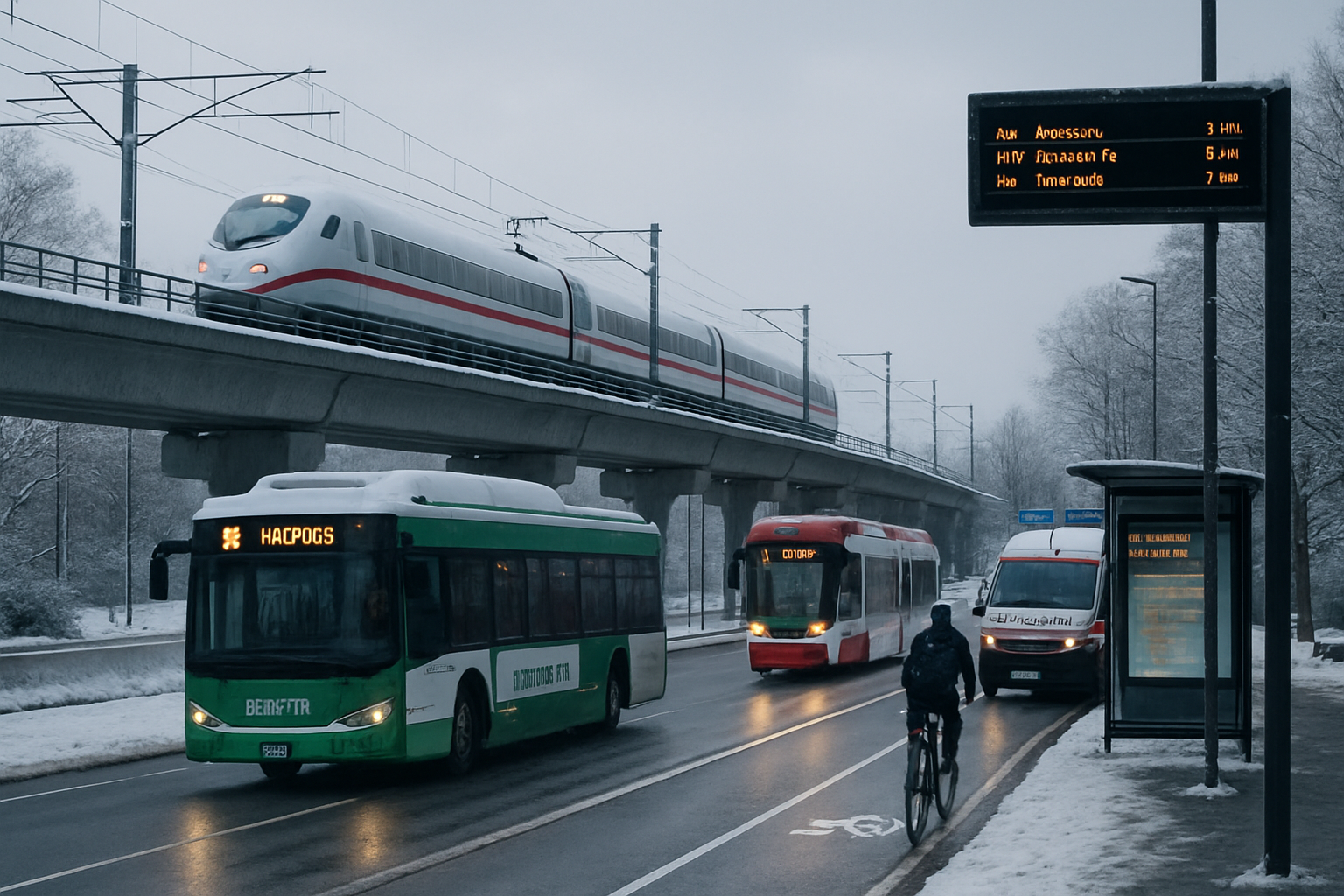
Transportation systems across Northern Europe are confronting significant operational challenges this March, as aging infrastructure meets extreme weather conditions while ambitious modernization projects continue across the region.
From railway infrastructure failures in Denmark to innovative emergency services in Ukraine, the past week has highlighted both the vulnerabilities and remarkable adaptations within European transportation networks. These developments occur within the context of an unprecedented global infrastructure investment surge valued at over $570 billion, as nations work to build climate-resilient transportation systems for the 21st century.
Denmark Grapples with Critical Rail Infrastructure
Danish State Railways (DSB) is dealing with a significant railway infrastructure crisis in Helsingør, where track damage continues to disrupt train services along one of the country's busiest commuter corridors. The incidents underscore the mounting pressures on aging European rail networks, which were designed for historical rather than current climate conditions.
The Helsingør disruptions represent more than isolated technical failures—they reflect systematic challenges facing transportation authorities across Scandinavia as they balance maintaining existing services with implementing comprehensive climate adaptation measures. These infrastructure pressures come as Denmark advances major improvements to Ringsted Station, addressing Copenhagen metropolitan area transit bottlenecks as part of maintaining Europe's efficient public transport standards.
"Danish railway authorities are working around the clock to restore full service while implementing long-term resilience measures that will serve the network for decades to come."
— Transportation Infrastructure Analyst
Estonia Leads Sustainable Transportation Innovation
Estonia continues to demonstrate remarkable leadership in sustainable transportation, with cycling experts providing seasonal guidance as winter transitions to spring. The nation's comprehensive approach to multi-modal transportation includes 88% renewable electricity usage—the highest rate in Europe—and the continent's largest battery storage system serving 90,000 households.
Estonian transportation authorities are preparing cycling infrastructure for the spring season while advancing major projects including the Pelguranna tram route development. This strategic planning exemplifies Estonia's sophisticated integration of seasonal transportation needs with long-term sustainable development goals, maintaining the country's 99.25% EU funding absorption rate—the highest among member states.
The cycling readiness initiative reflects Estonia's holistic approach to urban mobility, recognizing that effective public transportation systems must accommodate multiple modes of travel across varying seasonal conditions. This integration of cycling infrastructure with public transit networks provides a template for other European capitals seeking to reduce urban transportation emissions.
Ukraine's Innovative Crisis Response
Ukraine's transportation system demonstrated remarkable innovation during the winter months through the implementation of "invincibility trains"—specially equipped railway services that provided essential heating and electricity to communities experiencing infrastructure disruptions. These mobile support units served approximately 30,000 Ukrainians during the harsh winter conditions.
The "invincibility trains" program represents a groundbreaking approach to crisis transportation management, transforming railway carriages into mobile community centers capable of providing life-sustaining services. These trains operated in cities experiencing interruptions in heating and electricity supply, offering warm shelter, charging stations for electronic devices, and essential services during critical infrastructure outages.
This innovative use of existing transportation infrastructure for emergency response provides valuable lessons for other regions facing similar challenges from extreme weather events or infrastructure vulnerabilities. The program's success demonstrates how traditional transportation assets can be rapidly adapted to serve broader community resilience needs during crisis periods.
Norway Confronts Aviation Industry Pressures
Norway's aviation sector faces significant disruptions as SAS prepares to cancel at least 1,000 flights during April, affecting Norwegian Easter travel plans. The cancellations result from a combination of factors including elevated fuel costs, ongoing geopolitical tensions affecting energy markets, and operational pressures within the aviation industry.
These aviation disruptions occur during one of Norway's most important travel periods, when families traditionally travel for Easter holidays. The scale of cancellations—affecting thousands of passengers—highlights the vulnerability of even well-established airline networks to external economic and geopolitical pressures.
Norwegian transportation authorities are working with affected passengers to ensure compensation rights are protected under European Union regulations, while airlines implement contingency plans to minimize long-term operational disruptions. The situation reflects broader challenges facing European aviation as the industry adapts to changing energy costs and regulatory environments.
Regional Integration and Climate Adaptation
These transportation challenges across Denmark, Estonia, Ukraine, and Norway occur within the broader context of European transportation integration and climate adaptation initiatives. The Rail Baltica project, connecting Baltic states to the broader European rail system, continues advancing despite regional disruptions, with Estonia and Latvia confirming completion by 2030.
Modern European transportation projects increasingly incorporate sophisticated technology integration from the design phase, including real-time monitoring systems, predictive maintenance capabilities, digital payment platforms, and environmental optimization measures. Climate adaptation has evolved from optional consideration to mandatory requirement, with infrastructure designed for future rather than historical weather patterns.
The experiences across Northern Europe provide crucial lessons for transportation authorities worldwide as they navigate the transition from reactive crisis management to proactive infrastructure adaptation. Success factors consistently include sustained political commitment, transparent governance frameworks, comprehensive stakeholder engagement, and adaptive management approaches.
Economic and Social Impact
Transportation disruptions create substantial economic multiplier effects beyond immediate passenger inconvenience. Danish railway problems affect thousands of daily commuters and regional commerce, while Norwegian aviation cancellations impact tourism during a critical seasonal period. However, Estonia's sustainable transportation leadership demonstrates the economic opportunities available through proactive infrastructure modernization.
Ukraine's "invincibility trains" program shows how transportation infrastructure can serve broader social resilience functions during crisis periods, providing essential services that extend far beyond traditional mobility functions. This innovative approach creates new models for transportation systems serving community needs during emergency situations.
The collective experience across these four nations illustrates both the challenges and opportunities facing European transportation systems as they adapt to changing climate conditions, evolving passenger expectations, and new technological capabilities.
Looking Forward: Lessons for Global Transportation
The transportation developments across Northern Europe during March 2026 provide valuable insights for infrastructure planning worldwide. The contrast between crisis response in Denmark and Norway versus proactive innovation in Estonia and Ukraine demonstrates the importance of comprehensive planning that integrates immediate operational needs with long-term resilience requirements.
These examples establish precedents for 21st-century transportation development that balances technological advancement with environmental sustainability, national priorities with regional integration, and community engagement with operational efficiency. The success of adaptive transportation strategies in Northern Europe will influence global infrastructure policies for decades to come.
As European transportation networks continue evolving to meet climate challenges, the experiences of Denmark, Estonia, Ukraine, and Norway provide crucial lessons about building resilient systems that can serve communities effectively regardless of external pressures or seasonal variations.