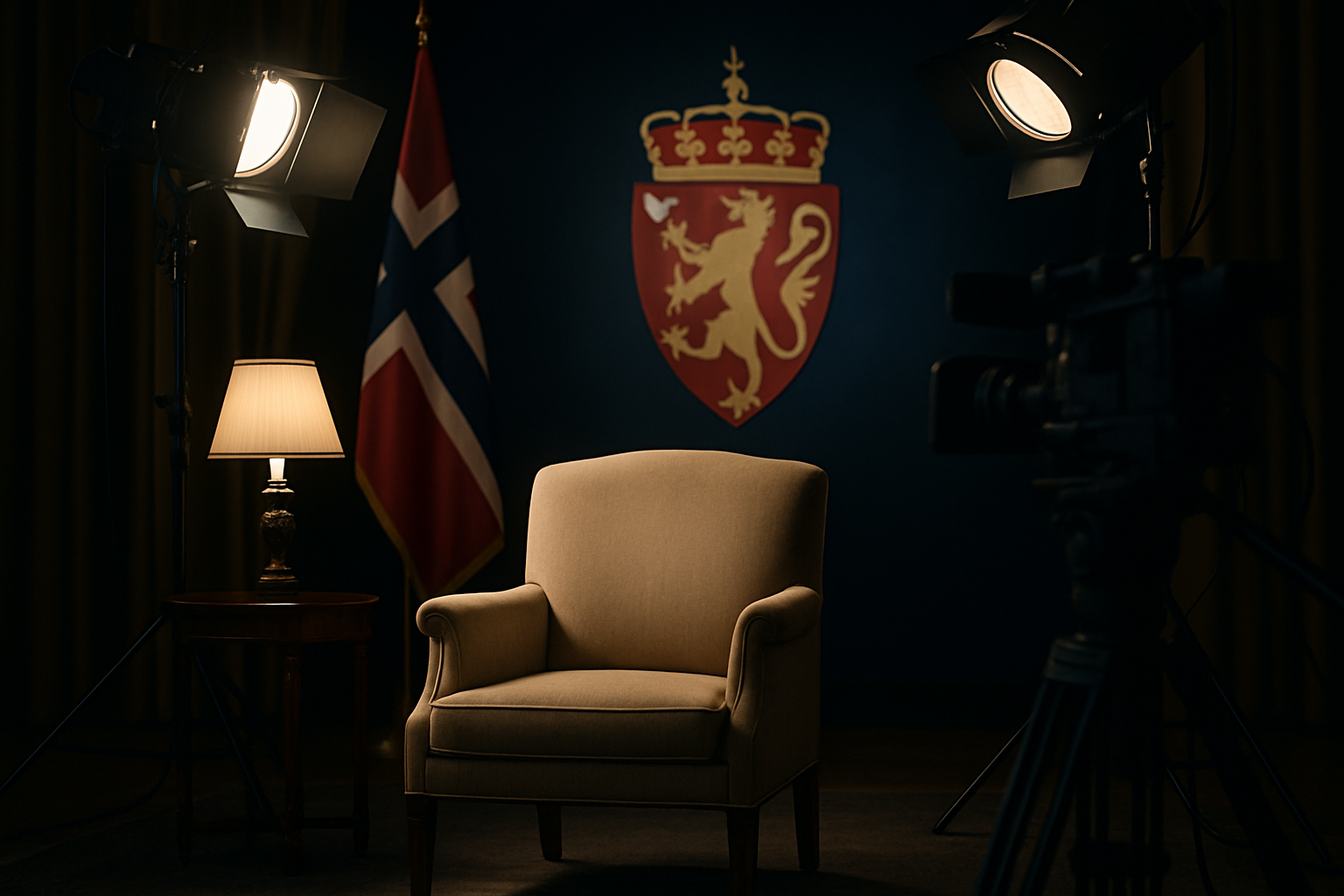
Norway's Crown Princess Mette-Marit has broken her silence about her controversial relationship with convicted sex offender Jeffrey Epstein, admitting in a dramatic television interview that she was "manipulated and deceived" by the disgraced American financier.
In her first public statement since the Jeffrey Epstein document scandal erupted, the 52-year-old Crown Princess appeared visibly emotional during the exclusive NRK interview broadcast Friday evening, expressing deep regret about her association with Epstein while maintaining she was unaware of the extent of his criminal activities.
"I was manipulated and deceived," Mette-Marit stated during the interview, which represented a historic departure from traditional royal silence on personal controversies. "Of course, I wish I had never met him."
Unprecedented Royal Crisis
The televised confession comes as Norway faces what royal experts are calling the "largest royal scandal in modern history." The U.S. Justice Department's release of millions of Epstein documents in early 2026 revealed that Crown Princess Mette-Marit's name appears over 1,000 times in the files, showing what investigators described as "intimate messages" and an "unexpectedly close relationship" with Epstein.
The revelations have triggered an extraordinary institutional response. Sex og Samfunn (Sex and Society), Norway's leading sexual health organization, became the first major institution in modern Norwegian history to terminate all partnerships with the Crown Princess following the document revelations - a move that sent shockwaves through the Norwegian establishment.
"This represents the first institutional rejection of royal family involvement in modern Norwegian history."
— Royal Expert Analysis
Norwegian authorities have not remained passive observers. Økokrim, the country's economic crime unit, is actively considering launching a criminal investigation into the Crown Princess's connections with Epstein, raising the unprecedented prospect of criminal proceedings against Norway's future queen.
The Epstein Connection Timeline
The documents reveal that communication between Mette-Marit and Epstein continued well after his 2008 guilty plea for soliciting an underage girl. This timeline has become a central focus of both public criticism and the ongoing Økokrim review, as it suggests the relationship persisted despite Epstein's known criminal convictions.
During the NRK interview, the Crown Princess acknowledged this timing, stating she takes "full responsibility" for failing to properly investigate Epstein's background earlier. However, she has not been accused of any criminal wrongdoing, and no evidence suggests she was aware of or participated in Epstein's trafficking network.
Former Prime Minister Erna Solberg, who has been among the most vocal critics calling for transparency, issued a statement following the interview demanding complete disclosure: "Only honesty can end this crisis."
International Context of Elite Network Exposure
The Norwegian royal crisis forms part of what European law enforcement agencies describe as the "largest international elite criminal network exposure in recent memory." The Epstein document releases have triggered coordinated investigations across six countries, revealing the extensive reach of Epstein's network into the highest levels of international society.
The Crown Princess case runs parallel to other high-profile investigations emerging from the document releases. In the United Kingdom, Prince Andrew faced historic arrest - the first senior British royal detained since King Charles I in 1647. France opened criminal investigations into former Culture Minister Jack Lang over a €50,000 Epstein transfer, while Baltic states coordinate investigations into systematic trafficking networks that recruited young women across Lithuania, Latvia, and Estonia.
Goldman Sachs top lawyer Kathy Ruemmler resigned over emails where she called Epstein "big brother," while DP World CEO Sultan Ahmed bin Sulayem was forced out after being mentioned over 9,400 times in documents as Epstein's "most trusted friend."
Institutional Accountability and Public Response
The institutional response within Norway has been swift and unprecedented. Beyond Sex og Samfunn's partnership termination, other Norwegian organizations are conducting comprehensive reviews of their royal associations. The Norwegian parliament unanimously approved a rare external inquiry into foreign ministry connections to Epstein, demonstrating the cross-party consensus that the matter requires thorough investigation.
Public opinion polling reveals a deeply divided Norway, with nearly half of Norwegians questioning Mette-Marit's fitness to become queen. Some surveys indicate growing support for significant royal family restructuring, with a minority calling for the monarchy's abolition within the next decade.
"The kingdom's security is at risk. This crisis tests the very foundations of our constitutional monarchy."
— Royal Expert Sigrid Hvidsten
The Crown Prince's Support
Throughout the crisis, Crown Prince Haakon has maintained public support for his wife while shouldering additional royal duties as the scandal unfolds. The royal family visited Mette-Marit at a hospital earlier this year, though they have maintained institutional distance from the legal proceedings to preserve judicial independence.
King Harald V and Queen Sonja, both approaching their 90s, have faced the additional burden of managing this constitutional crisis during a period when the King's own health has been a concern. The 89-year-old monarch was hospitalized earlier this year while vacationing in the Canary Islands, adding another layer of uncertainty to the royal family's future.
Democratic Accountability in the Modern Era
The Norwegian case represents a crucial test of how 21st-century constitutional monarchies handle accountability when family members face serious allegations. Unlike some European monarchies where constitutional immunity might apply, Norway's democratic traditions demand equal treatment under the law regardless of royal status.
Legal experts note that if Økokrim proceeds with a criminal investigation, it would establish unprecedented precedents for democratic accountability in constitutional monarchies. The case is being closely watched by other European royal houses facing similar challenges in balancing traditional privileges with modern democratic expectations.
The Path Forward
The Crown Princess's television interview represents a calculated attempt to regain narrative control and demonstrate transparency, but its effectiveness remains to be seen. Critics argue that her admissions, while historic, do not adequately address the specific timeline questions or the extent of her knowledge about Epstein's activities.
The interview's impact on the ongoing Økokrim review remains unclear. Legal experts suggest that public statements could become part of any formal investigation, making the Crown Princess's words potentially significant for any future legal proceedings.
The broader implications extend beyond Norway's borders. The coordinated international response to the Epstein document revelations is establishing new precedents for cross-border investigations of elite criminal networks, with enhanced cooperation between European law enforcement agencies setting standards for future cases.
Constitutional Monarchy Under Pressure
As investigations continue and institutional partnerships face review, Norway's constitutional monarchy confronts its greatest legitimacy challenge since World War II. The resolution of this crisis will likely determine not only the future of the current royal family but also the broader relationship between hereditary institutions and democratic accountability in the modern era.
The international community watches as Norway attempts to balance respect for judicial independence with the constitutional role of the monarchy. The outcome may establish crucial precedents for how democratic societies address elite criminal networks that span multiple countries and penetrate the highest levels of international society.
For Crown Princess Mette-Marit, the path to rehabilitation requires more than television interviews. It demands the kind of comprehensive transparency and accountability that former Prime Minister Solberg insists is the only route to resolving this unprecedented constitutional crisis.
The investigation continues, with more document releases expected and international cooperation intensifying. The ultimate test lies not just in individual accountability, but in whether democratic institutions can demonstrate that no one - regardless of title or status - stands above the law in modern constitutional democracies.