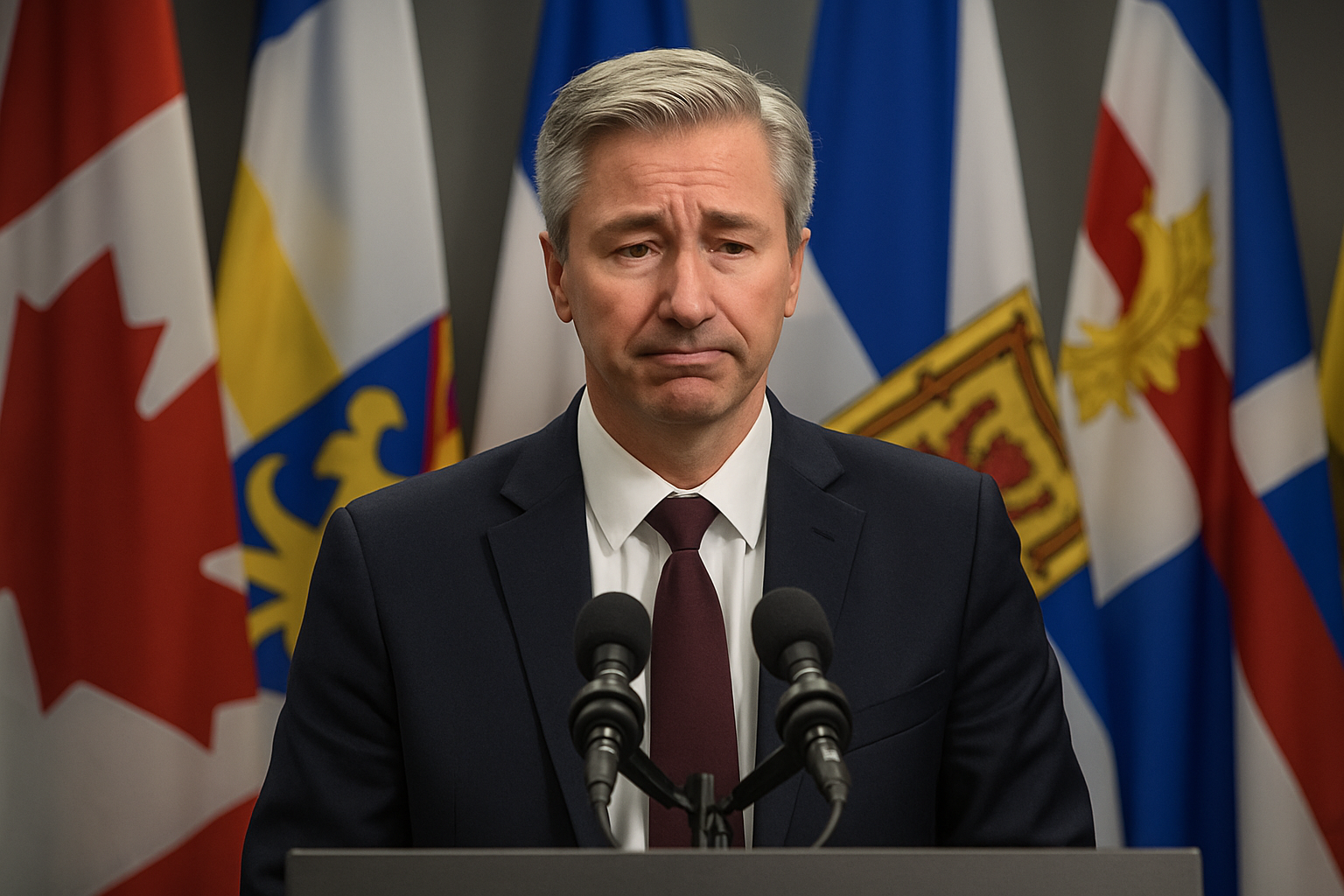
Nova Scotia Premier Tim Houston issued a rare public apology and reversed a significant portion of $130 million in government grant cuts after facing unprecedented public outcry, marking one of the most dramatic policy reversals in recent Canadian provincial politics.
Speaking to reporters on March 10, 2026, Houston acknowledged that his government had made critical errors in judgment. "We got it wrong," the Premier stated, announcing that supports and programming for people with disabilities, seniors, and African Nova Scotian and Indigenous students would be maintained, effectively reversing cuts that had sparked weeks of intense public protest.
The Policy Reversal
The dramatic turnaround comes after widespread demonstrations across Halifax and other Nova Scotia communities, with protesters particularly vocal about cuts affecting vulnerable populations. Arts and culture organizations had organized daily protests outside Province House, while disability rights advocates had mounted a sustained campaign highlighting the human impact of the proposed reductions.
According to The Globe and Mail, demonstrators had protested government grant cuts to arts and culture announced in Nova Scotia's provincial budget throughout early March, with the March 4 Halifax demonstration becoming a focal point of opposition to the government's fiscal approach.
"Premier Tim Houston apologized as he reversed a portion of $130-million in cuts to government grants."
— The Globe and Mail
The reversals specifically target the most contentious elements of the budget cuts, including funding for disability services, senior support programs, and culturally specific educational initiatives. Houston's government had initially defended the cuts as necessary fiscal restraint measures, but the intensity and persistence of public opposition forced a recalculation.
Context of Broader Provincial Challenges
Nova Scotia's policy reversal occurs against a backdrop of mounting political pressures facing provincial governments across Canada. In Alberta, Premier Danielle Smith continues to face political challenges, with a citizen-led recall bid against her recently falling short of required thresholds, according to CBC reporting.
The recall effort, while unsuccessful, highlighted ongoing tensions over Smith's leadership and policy directions, particularly regarding fiscal management and public service delivery. The timing of Nova Scotia's reversal amid these broader provincial political pressures suggests governments are increasingly sensitive to public opinion mobilization.
Historical Context and Precedents
Based on historical analysis of Canadian government policy reversals, Houston's admission represents a relatively rare acknowledgment of policy error by a sitting premier. Previous instances of major provincial policy reversals have typically involved more gradual adjustments rather than the direct acknowledgment of mistake seen in Halifax.
The February 2026 period has seen multiple examples of government policy adjustments under pressure, including federal policy shifts on various issues and international examples of governments responding to sustained public campaigns. Nova Scotia's approach—combining direct apology with substantive policy reversal—may establish a new template for crisis management in Canadian provincial politics.
Public Response and Political Implications
Opposition parties have claimed the reversal as evidence of the Houston government's poor initial judgment and responsiveness only under pressure. NDP and Liberal critics argue that proper consultation would have prevented the need for such dramatic corrections, while government supporters emphasize Houston's willingness to acknowledge and correct mistakes.
Community advocacy groups have welcomed the reversals while maintaining that the incident demonstrates the importance of sustained civic engagement in holding governments accountable. Disability rights organizations, in particular, have emphasized that the threat to essential services mobilized previously unengaged community members.
Fiscal and Administrative Challenges
The policy reversal creates complex administrative challenges for Nova Scotia's budget implementation, requiring government departments to quickly restore funding streams that had been scheduled for elimination. Finance officials must now identify alternative savings or revenue sources to meet fiscal targets while maintaining the restored programs.
Budget implementation typically follows careful multi-month planning cycles, making rapid reversals technically challenging. The government must now coordinate with service providers, community organizations, and other levels of government to ensure program continuity despite the policy volatility.
Looking Forward
Houston's government now faces the challenge of rebuilding public trust while maintaining fiscal responsibility. The Premier has indicated that future budget consultations will involve more extensive community engagement, though specific mechanisms have not been detailed.
The Nova Scotia experience provides important lessons for other provincial governments facing similar fiscal pressures and public service demands. The speed and scale of public mobilization in response to the cuts suggest that citizens are increasingly willing to actively engage in policy discussions that directly affect community services.
As governments across Canada navigate complex fiscal and political environments, Nova Scotia's policy reversal demonstrates both the power of sustained public advocacy and the importance of comprehensive consultation before implementing major policy changes affecting vulnerable populations.