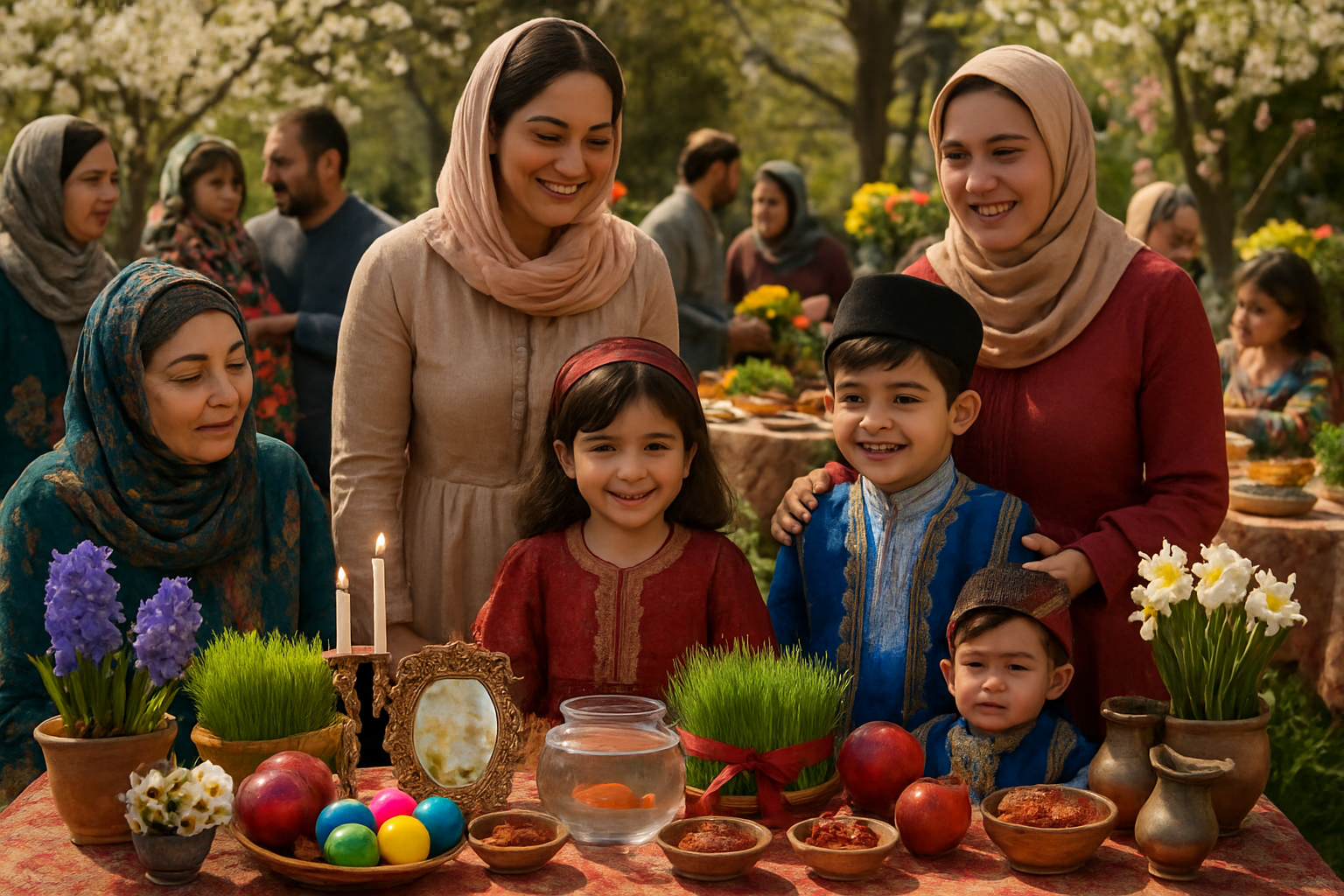
Persian New Year Nowruz celebrations flourished across four continents on March 21, 2026, bringing ancient messages of renewal and spring's arrival to millions worldwide, even as the shadow of the ongoing Middle East crisis loomed large over the festivities.
From diplomatic greetings in Armenia to diaspora gatherings in Australia, this year's Nowruz observances carried special significance as communities sought cultural continuity and hope amid unprecedented global tensions. The 3,000-year-old celebration, marking the spring equinox, demonstrated remarkable resilience and international reach despite challenging geopolitical circumstances.
Diplomatic Dimensions of Cultural Celebration
Armenian Prime Minister Nikol Pashinyan extended warm Nowruz greetings to Iranian leaders, emphasizing his confidence that Armenia-Iran relations would "continue to develop in the coming year, grounded in sincerity, trust, and mutual respect." This diplomatic gesture took on heightened importance given the ongoing regional crisis that has affected energy supplies and diplomatic relations throughout the Middle East since early March.
In Kuwait, the Ambassador of Tajikistan highlighted Nowruz as "a celebration symbolizing renewal, hope, and the beginning of a new cycle of life," while praising Kuwait's role as a "nation of goodness" in regional affairs. Such diplomatic exchanges underscored how cultural celebrations serve as bridges for international cooperation during periods of heightened tension.
Diaspora Communities Navigate Complex Emotions
For Iranian Australians, this year's Nowruz carried particular poignancy. As one Australian media report noted, many found their celebrations "shadowed by devastation abroad," yet "rituals of family, food and unity remain a vital lifeline." The diaspora experience reflected a broader pattern where communities worldwide balanced cultural joy with awareness of homeland struggles.
The Australian celebrations demonstrated how cultural traditions provide emotional anchoring during turbulent times. Despite "grief and rage" over events in their ancestral homeland, Iranian Australians maintained their commitment to preserving cultural heritage through family gatherings, traditional foods, and community events.
London's Solemn Yet Celebratory Observance
In London, Novruz (the Azerbaijani spelling) was celebrated "with great enthusiasm and solemnity," according to Azerbaijani sources. The British capital's large Persian and Central Asian communities created a multicultural tapestry of celebration, bringing together various traditions within the broader Nowruz framework.
The London celebrations exemplified how major international cities have become focal points for cultural diplomacy and cross-community understanding. Such gatherings serve not only cultural preservation but also educational functions, introducing broader populations to Persian heritage and traditions.
Historical Context: Nowruz Amid Crisis
This year's Nowruz celebrations occurred against the backdrop of unprecedented global tensions. The ongoing Middle East crisis that began in early March 2026 has disrupted energy markets, closed shipping routes, and strained international relations. Oil prices have surged past $100 per barrel, affecting global economic stability and creating uncertainty that extends far beyond the immediate region.
"This is a time when the ancient message of Nowruz - renewal, hope, and the triumph of light over darkness - resonates more powerfully than ever."
— Cultural Observer, Persian Heritage Foundation
The March 21 convergence of Nowruz with other significant cultural observances created what scholars termed an "unprecedented global celebration" despite international tensions. The timing reinforced themes of renewal and hope that transcend political boundaries.
Cultural Continuity as Resistance
The determination to celebrate Nowruz amid global crisis reflected what cultural anthropologists describe as "resilient traditionalism" - the maintenance of cultural practices as a form of identity preservation and community solidarity. From traditional spring cleaning rituals to the preparation of symbolic foods, families worldwide demonstrated commitment to cultural continuity.
The Haft-Sin table tradition - featuring seven symbolic items beginning with the letter 'S' in Persian - remained central to celebrations. These symbols of renewal, health, prosperity, and spiritual growth offered particular comfort to communities facing uncertainty about the future.
Symbolic Elements Gain Special Meaning
Traditional Nowruz elements took on enhanced significance in 2026. The sabzeh (sprouted wheat symbolizing rebirth) represented hope for peaceful resolution of conflicts. The mirror (symbolizing reflection) encouraged contemplation of the year ahead amid global uncertainty. The colored eggs (representing fertility and renewal) offered optimism for a more stable future.
Technology Enables Global Connection
Digital platforms played a crucial role in connecting diaspora communities worldwide for Nowruz 2026. Virtual celebrations allowed families separated by geography and travel restrictions to maintain cultural connections. Social media enabled real-time sharing of traditions across time zones, creating a sense of global community celebration.
This technological dimension ensured that even individuals unable to gather physically could participate in cultural observances, maintaining community bonds during challenging times.
Educational and Cross-Cultural Impact
Nowruz 2026 served significant educational functions in multicultural societies. Schools and community centers organized programming to explain Persian cultural heritage to broader populations. These initiatives fostered cross-cultural understanding and demonstrated how traditional celebrations can build bridges between communities.
The celebration's emphasis on renewal and fresh beginnings resonated beyond Persian communities, offering universal themes that appealed to diverse populations seeking hope amid global challenges.
Looking Forward: Nowruz as Model for Cultural Resilience
The successful worldwide celebration of Nowruz 2026 despite unprecedented global tensions provided a template for cultural resilience. Communities demonstrated that traditional observances could maintain their authentic character while adapting to contemporary challenges.
As the world grapples with complex geopolitical realities, cultural celebrations like Nowruz offer essential reminders of shared humanity and common aspirations for peace, renewal, and hope. The ancient Persian greeting "Nowruz Mobarak" (Happy New Year) carried special weight in 2026, representing not just cultural tradition but also a collective wish for better times ahead.
The celebration's global reach - from Armenian government offices to Australian suburban homes, from London's cultural centers to Kuwait's diplomatic halls - demonstrated the enduring power of cultural traditions to unite communities and provide stability during uncertain times. As participants worldwide lit their ceremonial fires and shared traditional foods, they reaffirmed the timeless human capacity for hope and renewal, regardless of external circumstances.