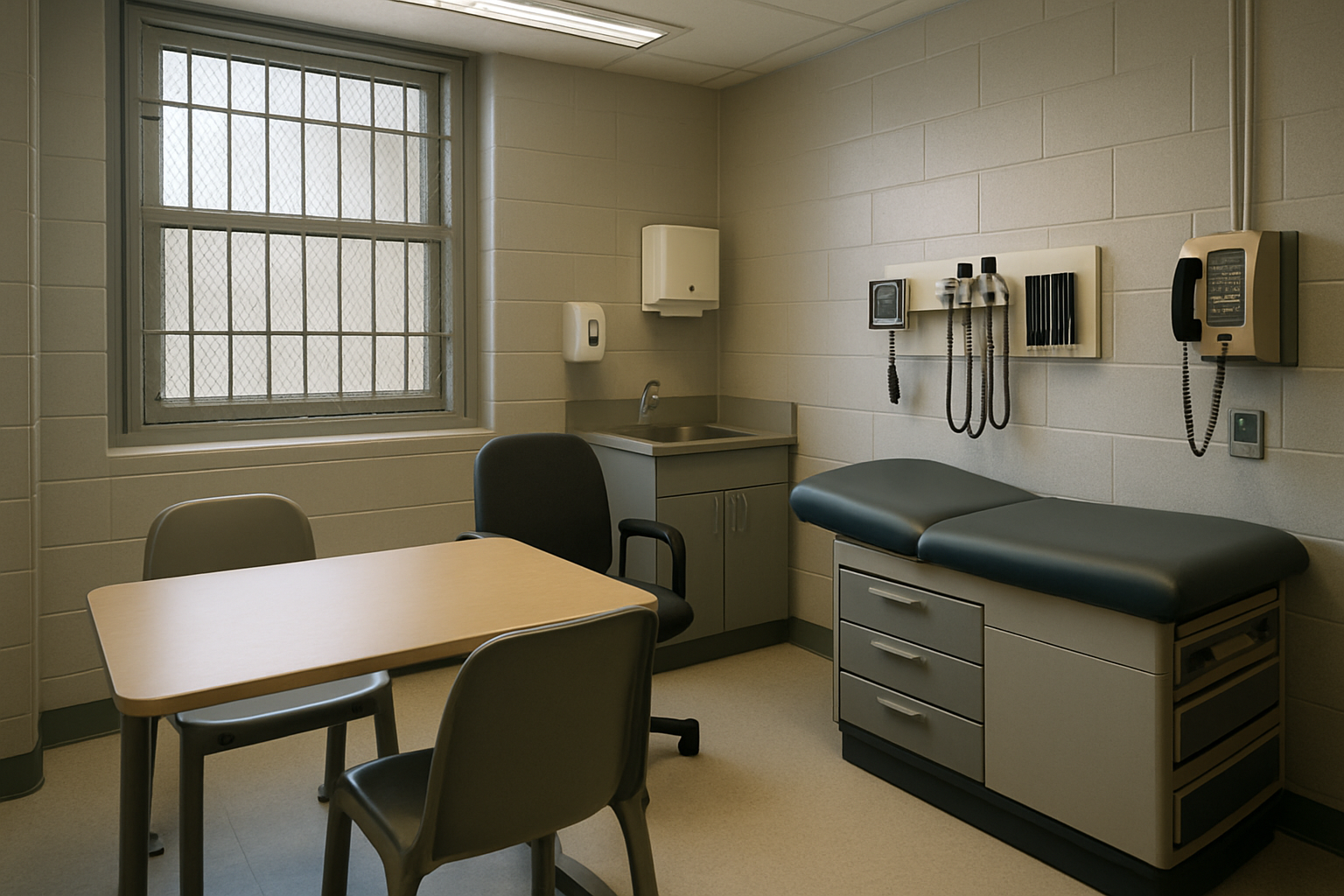
New Zealand's specialist mental health teams working in prisons have been systematically excluded from critical decisions about cell placements for mentally ill inmates, according to revelations that expose dangerous gaps in correctional healthcare protocols.
The troubling practice has come to light through investigations at Mt Eden Prison, where specialist psychiatrists, clinical psychologists, and psychiatric nurses reported having "no information" about cellmate assignments or "any input into the decision to put two mentally unwell men in a cell together," according to the New Zealand Herald.
This exclusion occurs despite the presence of qualified mental health professionals specifically employed to provide psychiatric care within the correctional system. The revelation represents a fundamental breakdown in the integration of mental healthcare with prison management decisions that could have life-threatening consequences.
Systemic Exclusion of Medical Expertise
The case highlights how administrative prison operations continue to operate separately from clinical mental health assessments, creating dangerous information silos within the correctional system. Mental health specialists trained in risk assessment, therapeutic intervention, and crisis prevention are being bypassed in favor of administrative convenience.
This practice runs counter to international best practices in correctional healthcare, which emphasize the critical importance of mental health professionals in decisions affecting vulnerable inmates. The exclusion of specialist teams undermines the therapeutic potential of incarceration and may violate fundamental healthcare standards.
Broader Context of New Zealand's Healthcare Crisis
The prison mental health exclusion occurs within a broader crisis affecting New Zealand's healthcare system. Recent investigations have documented severe systemic strain across the country's medical infrastructure, with over 400 patients daily overwhelming emergency departments and some forced to wait in corridors for treatment.
Mental health services are facing particular pressures, with workforce shortages and funding constraints creating dangerous gaps in care delivery. The University of Otago has identified a "medical tourism paradox" where patients receive faster specialist care abroad than domestically, indicating fundamental problems with healthcare access and coordination.
New Zealand's healthcare transformation attempts have been marked by controversy, including leaked papers revealing "extreme risk" around Health NZ decentralization following a $2 billion cost-cutting plan that rolled back 2022 centralization reforms. Internal warnings about patient safety risks were reportedly ignored in the rush to implement organizational changes.
Global Context: The Therapeutic Revolution of 2026
The New Zealand prison mental health crisis stands in stark contrast to the global "Therapeutic Revolution of 2026," which has seen countries worldwide implementing prevention-first healthcare strategies with remarkable success. International models demonstrate how effective mental health integration can dramatically improve outcomes while reducing costs.
Montana's mobile crisis teams have achieved an 80% reduction in police mental health calls through proactive community intervention approaches that emphasize early professional involvement rather than administrative gatekeeping. Finland has successfully balanced academic achievement with psychological wellbeing in educational settings, preventing depression patterns that often persist into adulthood.
These success stories highlight what becomes possible when mental health expertise is properly integrated into institutional decision-making rather than excluded from critical determinations affecting vulnerable populations.
International Standards and Human Rights
The systematic exclusion of mental health professionals from prison placement decisions may violate New Zealand's obligations under international human rights law, which requires states to provide adequate medical care to prisoners and protect their fundamental dignity.
The United Nations Standard Minimum Rules for the Treatment of Prisoners (the Mandela Rules) specifically require that healthcare decisions in correctional facilities be made by qualified medical professionals rather than administrative staff. The current practice appears to directly contradict these internationally recognized standards.
Countries implementing comprehensive prevention programs have demonstrated substantial cost reductions through decreased crisis interventions while achieving superior population health outcomes. The economic implications of excluding mental health expertise extend beyond immediate medical costs to affect long-term rehabilitation success and recidivism rates.
Systemic Reform Requirements
Mental health advocates are calling for comprehensive reforms that would mandate psychiatric team involvement in all decisions affecting mentally ill inmates. This includes cell placement decisions, disciplinary actions, and program assignments that could impact psychological wellbeing.
Reform proposals emphasize the need for administrative simplification that reduces bureaucratic barriers between medical professionals and decision-makers. The current system's complexity appears to prevent timely medical intervention precisely when it is most needed.
Success in addressing these challenges requires sustained political commitment to healthcare investment, comprehensive professional training in mental health approaches, and authentic integration of clinical expertise with correctional administration. International cooperation models suggest that peer-to-peer knowledge sharing could accelerate effective policy development.
Economic and Social Implications
The failure to utilize available mental health expertise represents a significant waste of professional resources while potentially creating expensive downstream consequences. Untreated or poorly managed mental health conditions in correctional settings often lead to increased security incidents, longer incarceration periods, and higher recidivism rates.
Prevention-focused strategies have demonstrated economic benefits through decreased emergency interventions, reduced long-term care needs, and improved community integration outcomes for released inmates. The current system's reactive approach generates higher costs while producing worse results for both individuals and society.
The broader implications extend to community safety, family stability, and public confidence in correctional systems. When mental health crises in prisons are managed administratively rather than therapeutically, the effects ripple throughout connected communities.
Technology and Human-Centered Care Integration
Successful healthcare innovations worldwide have demonstrated that technology should enhance rather than replace clinical judgment and professional therapeutic relationships. In correctional settings, this means ensuring that administrative systems support rather than obstruct mental health professional involvement in critical decisions.
The goal must be avoiding what experts term the "wellness paradox," where technological or administrative solutions create healthcare inequality rather than improving access and outcomes for vulnerable populations. Correctional mental health requires balancing security concerns with therapeutic imperatives.
Critical Juncture for Reform
March 2026 represents a critical moment for New Zealand's correctional healthcare policy. The convergence of documented system failures, international best practice examples, and growing public awareness creates an unprecedented opportunity for meaningful reform.
Success will require coordinated action ensuring that mental health advances translate into accessible, effective treatments for all populations, including those in correctional settings. This includes sustained political commitment, comprehensive professional training, and authentic community engagement that transcends traditional correctional boundaries.
The therapeutic revolution sweeping global healthcare systems provides a roadmap for addressing 21st-century mental health challenges through evidence-based integration of technological innovation with human-centered care principles. New Zealand's correctional system stands at a crossroads between continuing exclusionary practices and embracing transformative mental health integration.
The stakes extend far beyond individual cases to fundamental questions about how societies balance security concerns with healthcare obligations, and whether correctional systems can become genuinely therapeutic rather than merely punitive. The systematic exclusion of mental health expertise represents not just a policy failure, but a moral crisis requiring immediate and sustained attention.