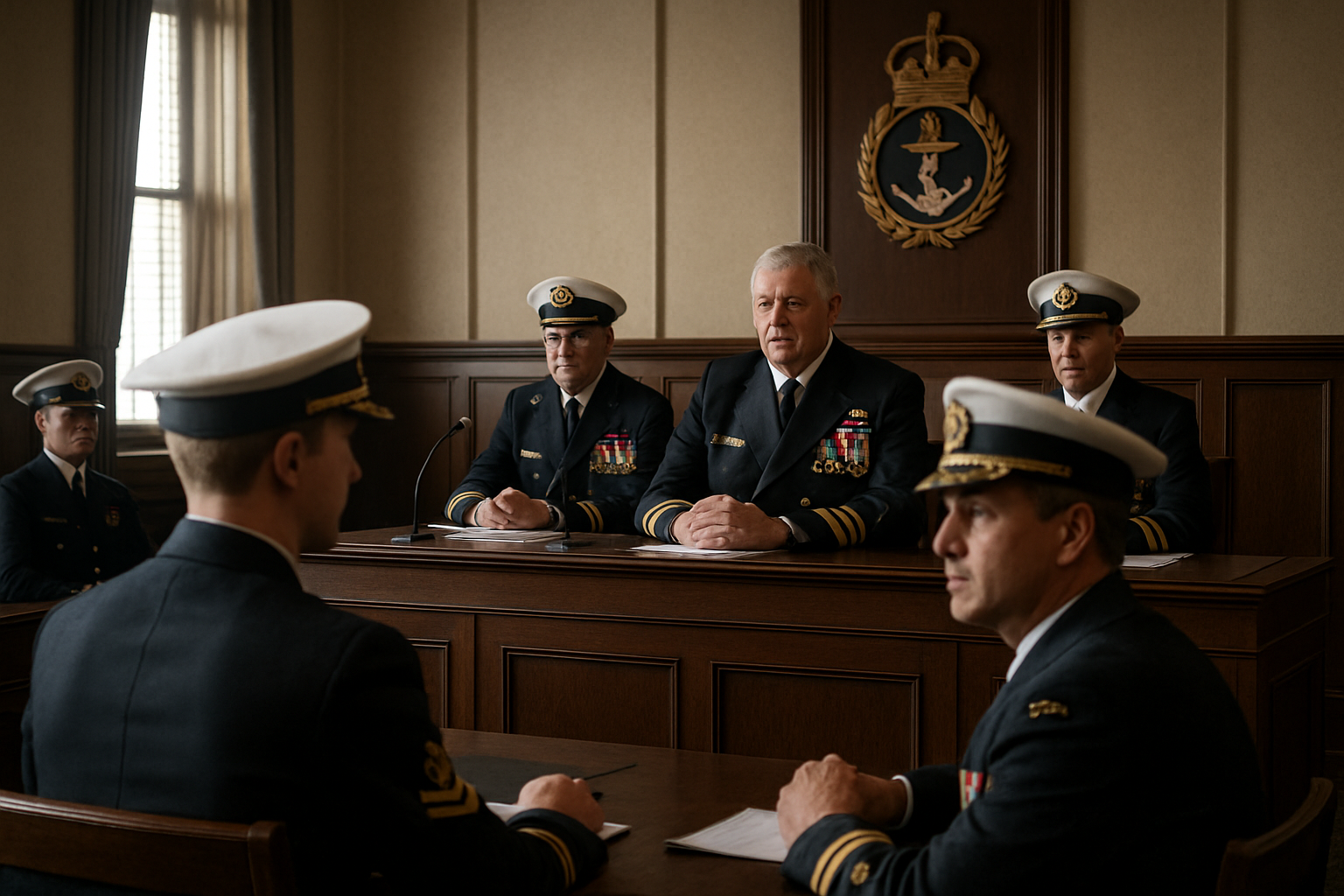
Three Royal New Zealand Navy officers are facing court martial charges in connection with the sinking of naval vessel HMNZS Manawanui off Samoa's coast in 2024, marking one of the most significant military legal proceedings in recent New Zealand naval history.
The officers facing charges include Commander Yvonne Gray, who made the critical decision to evacuate the ship when it began listing on that fateful Saturday evening, Lieutenant Commander Matthew Gajzago, and a third officer whose identity has been confirmed in the court martial proceedings. The charges stem from the vessel's sinking in 2024, which occurred during operations near Samoa.
The Incident: A Critical Naval Emergency
According to available information, the HMNZS Manawanui began experiencing serious difficulties on a Saturday evening in 2024, with the vessel developing a dangerous list that prompted Commander Gray to make the evacuation order. The decision to abandon ship represents one of the most serious situations that can occur in naval operations, requiring split-second judgment under extreme pressure.
The sinking of HMNZS Manawanui off Samoa's coast has prompted a thorough investigation by New Zealand Defence Force authorities, ultimately leading to the formal charges being laid against the three officers. The incident represents a significant loss for the Royal New Zealand Navy and has raised questions about operational procedures and command decisions during maritime emergencies.
Court Martial Proceedings: Rare Military Justice
Court martial proceedings are relatively rare in the New Zealand military justice system, reserved for the most serious military offenses and breaches of naval discipline. The fact that three officers are facing charges simultaneously indicates the gravity with which military authorities are treating the Manawanui incident.
The charges being brought against Commander Gray, Lieutenant Commander Gajzago, and the third officer have not been fully detailed in public reports, but court martial proceedings typically involve allegations of negligence, failure to follow proper procedures, or dereliction of duty. Such proceedings follow strict military law protocols and can result in significant penalties including dismissal from service, reduction in rank, or other disciplinary measures.
Command Responsibility and Naval Protocol
Commander Yvonne Gray's position as the commanding officer who ordered the evacuation places her at the center of the investigation. In naval tradition and military law, ship commanders bear ultimate responsibility for the safety of their vessel and crew. The decision to evacuate represents both a life-saving measure and a recognition that the ship could not be saved.
Lieutenant Commander Matthew Gajzago's involvement in the charges suggests that multiple levels of the ship's command structure are being scrutinized for their actions during the crisis. Naval operations require precise coordination between senior officers, and any breakdown in communication or procedure can have catastrophic consequences.
Impact on New Zealand Naval Operations
The loss of HMNZS Manawanui represents a significant blow to New Zealand's naval capabilities, both in terms of operational capacity and public confidence in the Royal New Zealand Navy. Naval vessels represent substantial investments in national defense infrastructure, and their loss through incident or accident triggers comprehensive reviews of training, procedures, and oversight.
The court martial proceedings will likely examine not only the immediate actions of the three officers during the emergency but also the broader context of naval training, preparedness, and operational protocols that may have contributed to the incident. Such examinations often lead to systemic changes in military procedure and training programs.
Legal Proceedings and Military Justice
The court martial system operates under military law, which differs significantly from civilian criminal proceedings. Military courts have specific jurisdiction over service members and operate according to military codes of justice that emphasize discipline, chain of command, and the unique requirements of military service.
The three officers will face proceedings that examine their conduct according to naval regulations and military law. The process typically involves detailed examination of actions taken, decisions made, and whether those decisions conformed to established naval protocols and training.
Broader Implications for Maritime Safety
The Manawanui incident and subsequent court martial proceedings highlight the critical importance of maritime safety protocols and the heavy responsibility carried by naval commanders. Ships operating in international waters face numerous challenges, from weather conditions to mechanical failures, and the training and preparedness of crews can make the difference between successful resolution of problems and catastrophic loss.
The proceedings will likely provide insights into the specific circumstances that led to the vessel's sinking, potentially offering lessons that could prevent similar incidents in the future. Military organizations typically use such investigations and legal proceedings as opportunities to refine procedures and improve training protocols.
As the court martial proceedings move forward, they will represent not only a legal reckoning for the three officers involved but also a comprehensive examination of the events that led to one of the most significant naval losses in recent New Zealand military history. The outcomes of these proceedings will likely influence naval training, procedures, and command protocols for years to come.