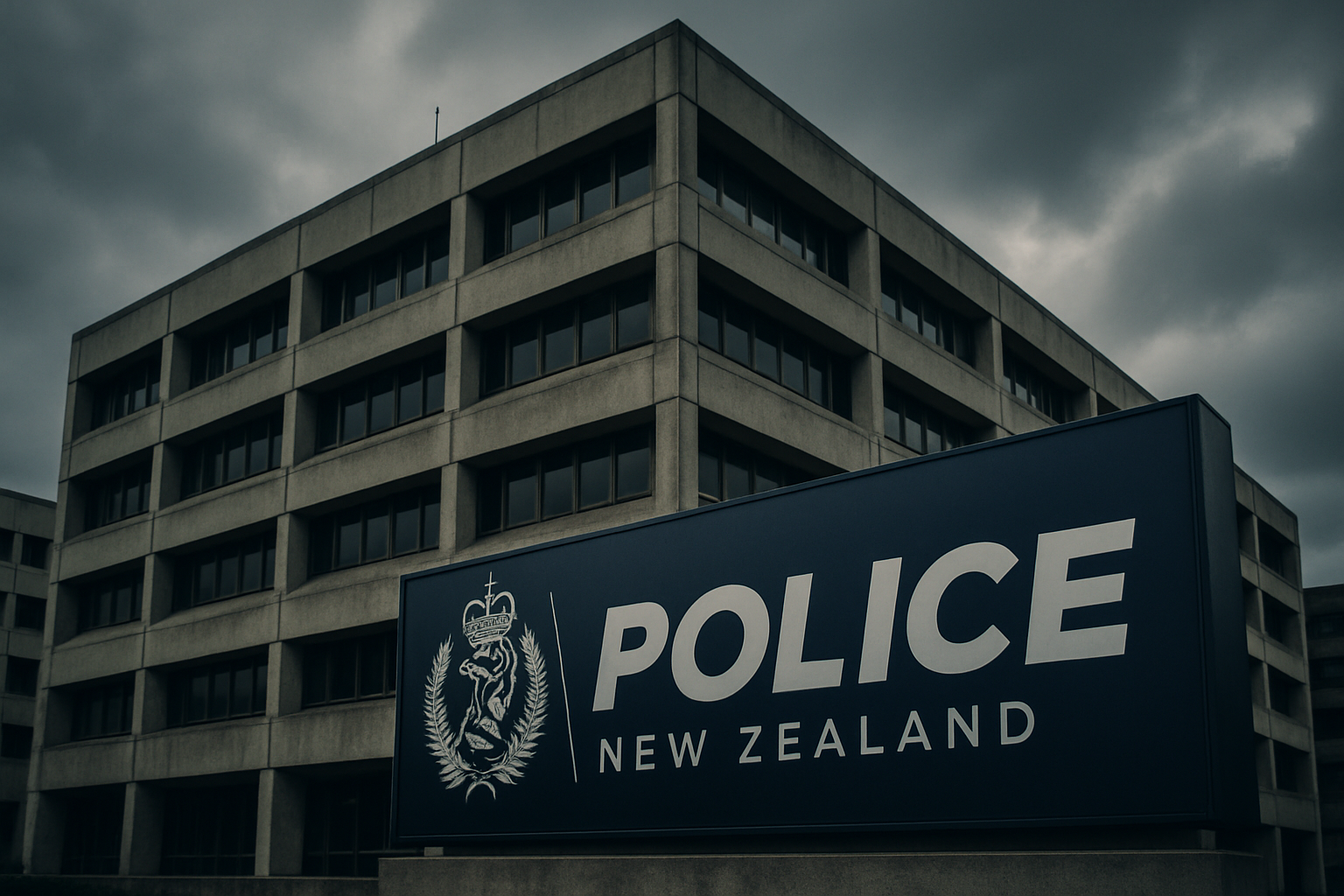
Former New Zealand Police Deputy Commissioner Jevon McSkimming breached the police code of conduct by using taxpayers' money to stay in hotels with a woman identified only as "Ms Z" during an extramarital affair, according to a damning Independent Police Conduct Authority (IPCA) investigation released this week.
The IPCA findings reveal a serious misuse of public funds and breach of professional standards by one of New Zealand's most senior police officials, who invited a woman with whom he was having a sexual relationship to stay at taxpayer-funded hotel accommodations.
IPCA Investigation Findings
The Independent Police Conduct Authority's investigation, detailed in multiple reports from leading New Zealand media outlets, concluded that McSkimming's actions constituted a clear violation of police conduct standards. The investigation found that the former deputy commissioner systematically used police money to pay for hotel stays while conducting an extramarital affair with Ms Z.
According to the IPCA findings, McSkimming "invited a woman who he was having a sexual relationship to stay at the hotels with him." This arrangement represented a fundamental breach of the trust placed in senior police officials and a misappropriation of public resources intended for legitimate police business.
The case highlights the critical importance of maintaining professional boundaries and ethical standards within New Zealand's police force, particularly at senior leadership levels where officers are expected to exemplify the highest standards of conduct.
Breach of Public Trust
The revelation that a deputy commissioner used taxpayer funds to facilitate a personal relationship represents one of the most significant breaches of public trust within New Zealand Police in recent years. Deputy commissioners hold positions of immense responsibility, overseeing major operational areas and serving as public representatives of law enforcement integrity.
The misuse of police accommodation budgets for personal relationships demonstrates a serious failure in judgment and professional ethics. Police accommodation allowances are specifically designed to support officers when conducting legitimate police business away from their regular duty stations, not to subsidize personal affairs.
Legal experts note that such conduct undermines public confidence in police leadership and raises questions about oversight mechanisms for senior officers. The case also highlights potential vulnerabilities in expense approval systems that allowed such misuse to occur without immediate detection.
Context of Police Accountability
This investigation comes amid broader international focus on police accountability and ethical standards. The Independent Police Conduct Authority plays a crucial role in maintaining public trust by investigating complaints against police and reviewing serious incidents involving officers.
The IPCA's thorough investigation into McSkimming's conduct demonstrates the authority's commitment to holding all officers, regardless of rank, accountable to the same professional standards. This principle is fundamental to maintaining public confidence in law enforcement institutions.
New Zealand Police have historically maintained strong public trust ratings compared to many international counterparts, making cases of senior leadership misconduct particularly damaging to the organization's reputation and credibility.
Professional Standards and Consequences
The police code of conduct explicitly requires officers to maintain professional boundaries and avoid conflicts of interest that could compromise their duties or public trust. Senior officers face additional expectations due to their leadership roles and public visibility.
While McSkimming's current employment status was not detailed in the available reports, such serious conduct breaches typically result in disciplinary action ranging from formal warnings to dismissal, depending on the severity and circumstances involved.
The case also raises important questions about vetting and oversight procedures for senior police expenses, particularly regarding accommodation and travel allowances that could potentially be misused for personal purposes.
Impact on Police Credibility
Cases of senior police misconduct have far-reaching implications beyond the individual officer involved. They can undermine public confidence in law enforcement institutions and damage relationships between police and the communities they serve.
The revelation of taxpayer fund misuse for personal relationships is particularly damaging because it combines ethical failures with financial misconduct, creating multiple layers of public trust violations.
Police leadership depends on moral authority as much as legal authority. When senior officers violate ethical standards, it can compromise the credibility of the entire organization and make community policing efforts more difficult.
Systemic Implications
Beyond the individual case, the McSkimming investigation highlights potential systemic issues within police expense and oversight systems. The fact that such misconduct could occur suggests possible gaps in approval processes or monitoring mechanisms.
Effective oversight requires robust systems for reviewing senior officer expenses, clear policies regarding appropriate use of public funds, and regular auditing to detect potential misuse before it becomes systematic.
The case may prompt broader reviews of police financial controls and accountability mechanisms to prevent similar incidents and restore public confidence in the responsible use of taxpayer funds.
IPCA's Role and Authority
The Independent Police Conduct Authority serves as New Zealand's civilian oversight body for police, with statutory powers to investigate complaints and review police practices. The authority's investigation into McSkimming demonstrates its willingness to hold senior officers accountable regardless of rank or position.
IPCA investigations typically involve comprehensive reviews of evidence, interviews with relevant parties, and analysis of police policies and procedures. The authority's findings carry significant weight in determining appropriate consequences for officer misconduct.
The publication of this investigation's findings serves both accountability and deterrent purposes, sending a clear message that misconduct at any level will face scrutiny and potential consequences.
Looking Forward
The McSkimming case serves as a reminder of the ongoing need for vigilant oversight of police conduct, particularly at senior levels where officers wield significant authority and public trust. It underscores the importance of robust accountability mechanisms and ethical leadership within law enforcement organizations.
The case may prompt reviews of police policies regarding personal relationships, expense approvals, and conflict of interest guidelines to prevent similar incidents in the future. Such reviews are essential for maintaining public confidence and ensuring responsible use of taxpayer resources.
Ultimately, the IPCA's thorough investigation and public reporting of this misconduct demonstrates New Zealand's commitment to police accountability and transparent governance, even when it involves difficult revelations about senior leadership failures.
The case reinforces that public service positions, particularly in law enforcement, carry special responsibilities and that violations of public trust will be investigated and reported regardless of the individual's rank or position within the organization.