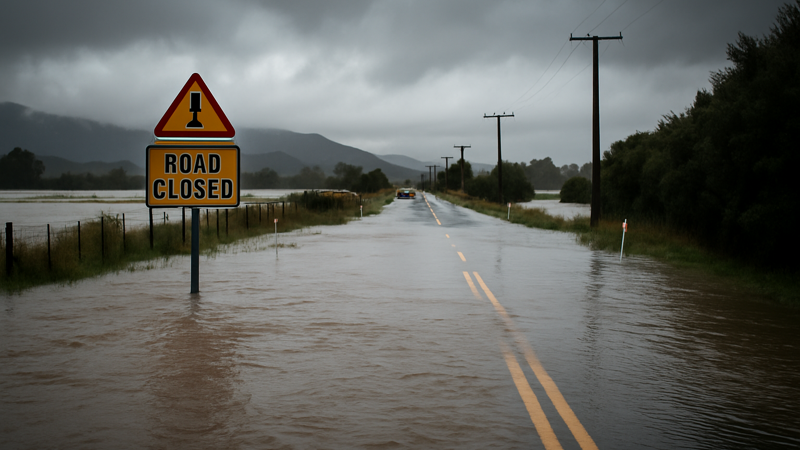
New Zealand's South Island is experiencing a severe weather emergency as torrential rainfall, flooding, and infrastructure damage spread across Canterbury, Wellington, and Wairarapa regions, forcing evacuations, cutting off communities, and exposing critical vulnerabilities in the nation's emergency response systems.
Christchurch and Banks Peninsula have been hit with more than 280mm of rain, causing rivers to breach their banks and forcing highway closures. A boil water notice has been issued for affected areas as water treatment systems struggle to cope with contamination from the unprecedented rainfall.
Canterbury Region Bears the Brunt
The Canterbury region has emerged as the epicenter of the current weather crisis, with the Rangitata River breaching its banks and flooding adjacent farmland. Major highways have been forced to close, effectively cutting off transportation links between key South Island cities and rural communities.
In a dramatic rescue operation near Teddington on Banks Peninsula, a farm worker was forced to swim stranded sheep to safety after huge downpours left livestock isolated in rapidly rising floodwaters. The incident highlights the immediate danger facing both human and animal populations in the affected areas.
"I showed up the next day to find my roof tiles absolutely everywhere,"
— Wellington resident describing storm damage
Wellington Confronts Infrastructure Damage
Wellington has not escaped the severe weather impacts, with residents confronting extensive damage to buildings and infrastructure following the storm. High winds have torn roof tiles from buildings across the capital region, leaving many properties exposed to the elements and requiring immediate repairs.
The capital's infrastructure has shown particular vulnerability to the extreme weather conditions, raising concerns about the city's preparedness for future climate-related emergencies.
Southern Wairarapa Communities Cut Off
The situation has become particularly dire in southern Wairarapa, where communities including Lake Ferry and Cape Palliser have been completely cut off from the outside world. A washout at a critical single-lane bridge has severed the only road access to several settlements, leaving residents isolated and dependent on emergency services for essential supplies.
The isolation of these communities underscores the fragility of New Zealand's rural infrastructure and the cascading effects that extreme weather can have on small, remote settlements.
Emergency Response and "Disaster Tourism" Concerns
The Rangitikei mayor has issued an urgent appeal for the public to stop taking trips into the back country, stating that "disaster sightseeing" is getting in the way of emergency contractors and rescue operations. This unusual plea highlights how extreme weather events can attract curious onlookers who inadvertently complicate already challenging emergency response efforts.
Emergency services are working around the clock to coordinate rescue operations, assess damage, and restore essential services to affected communities. However, the scale of the crisis has stretched resources thin across multiple regions simultaneously.
Historical Context and Climate Concerns
This latest weather emergency occurs against the backdrop of New Zealand's increasingly volatile climate patterns. Recent months have seen a series of extreme weather events across both the North and South Islands, including the devastating Ōtorohanga District flooding in February 2026 that claimed at least one life and left widespread destruction.
The current crisis follows a pattern of intensifying weather events that have repeatedly tested New Zealand's emergency preparedness systems. The Ōtorohanga emergency saw residents trapped in waist-deep floodwater, with farmer Murray Orr, who has 70 years of local experience, stating he had "never seen rain like yesterday's deluge."
Infrastructure Vulnerabilities Exposed
The repeated infrastructure failures across different regions reveal systemic vulnerabilities in New Zealand's ability to withstand extreme weather. From power outages to transportation network collapses, the current crisis exposes gaps in climate adaptation planning and emergency preparedness.
The isolation of Wairarapa communities due to a single bridge failure demonstrates how critical infrastructure chokepoints can have disproportionate impacts on rural populations. This vulnerability is particularly concerning given predictions of more frequent and severe weather events in the coming years.
Agricultural and Economic Impacts
The flooding has had immediate and severe impacts on New Zealand's agricultural sector, with farms across the affected regions experiencing livestock losses, crop damage, and infrastructure destruction. The dramatic sheep rescue operation on Banks Peninsula represents just one example of the broader agricultural crisis unfolding across the South Island.
Economic losses from the current weather emergency are expected to run into the millions, affecting not only direct damage to property and infrastructure but also disrupting supply chains, tourism, and agricultural production during critical seasonal periods.
Government Response and Recovery Planning
New Zealand authorities are coordinating a multi-agency response to the crisis, with emergency services, military personnel, and local government agencies working together to manage immediate rescue operations and begin damage assessment processes.
The government faces pressure to not only respond effectively to the current emergency but also to address the underlying infrastructure vulnerabilities that have been repeatedly exposed by extreme weather events. This includes reviewing emergency response protocols, infrastructure resilience standards, and climate adaptation strategies.
Looking Ahead: Climate Adaptation Imperative
The current weather emergency serves as another stark reminder of New Zealand's vulnerability to climate-related disasters. With meteorologists warning of continued unsettled weather patterns and climate scientists predicting more frequent extreme events, the nation faces an urgent need to enhance its climate resilience.
Key areas requiring attention include upgrading critical infrastructure to withstand extreme weather, improving emergency communication systems, developing redundant transportation networks to prevent community isolation, and enhancing early warning systems to provide better advance notice of severe weather events.
The repeated nature of these emergencies—from the Ōtorohanga flooding to the current South Island crisis—demonstrates that New Zealand can no longer treat extreme weather as exceptional events but must adapt to a new normal of increased climate volatility.
Community Resilience and Preparedness
The current crisis has also highlighted both the vulnerability and resilience of New Zealand communities. While infrastructure failures have caused significant disruption, examples of community solidarity and mutual aid—such as farmers helping rescue stranded livestock and residents assisting with emergency communications—demonstrate the importance of local preparedness and response capabilities.
As recovery efforts continue, authorities emphasize the importance of individual and community preparedness for future extreme weather events. This includes maintaining emergency supplies, developing evacuation plans, and staying informed about weather warnings and emergency procedures.
The ongoing weather emergency across New Zealand's South Island represents not just an immediate crisis requiring urgent response, but a preview of the climate challenges the nation will face in coming decades. The ability to learn from this emergency and strengthen resilience systems will be crucial for protecting communities and infrastructure from future extreme weather events.