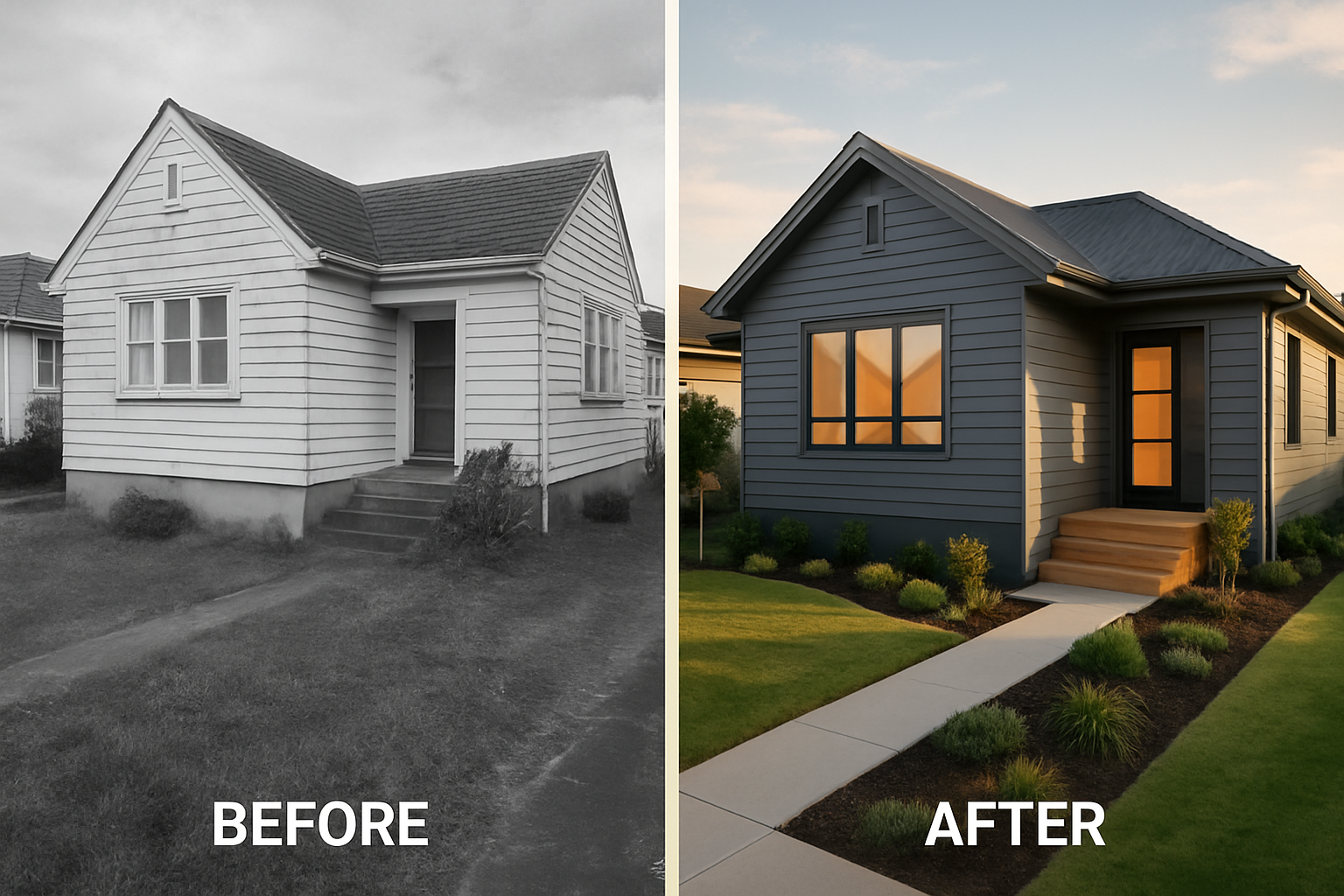
New Zealand's housing market is witnessing an extraordinary renaissance as former state houses from the 1940s and 1950s emerge as highly sought-after properties, demonstrating that exceptional build quality transcends decades and offers viable solutions to contemporary housing challenges.
The phenomenon has captured national attention, with industry experts pointing to the superior construction standards of mid-century state housing as a key factor driving renewed interest. These homes, originally built during New Zealand's ambitious social housing expansion, are proving their worth in an era of escalating construction costs and supply chain constraints affecting the global building industry.
Superior Construction Standards Drive Market Interest
"It's all about the quality of the build," explains housing market analyst Sarah Thompson, referencing the fundamental structural integrity that has allowed these homes to maintain their appeal for over seven decades. The robust construction methods employed during the 1940s housing boom utilized high-grade materials and craftsmanship standards that often exceed modern building practices.
These properties typically feature solid timber framing, quality weatherboard cladding, and architectural details that reflect the era's commitment to creating durable, family-friendly housing. The generous room sizes, high ceilings, and thoughtful layouts that characterized 1940s design principles continue to resonate with today's homebuyers seeking both character and functionality.
Market Dynamics in a Challenging Environment
The renewed interest in 1940s state houses comes against the backdrop of New Zealand's complex housing market dynamics. Recent data shows property asking prices averaging $883,800 in February 2026, with demand increasing while supply remains flat across most regions. Wellington represents a notable exception, bucking the regional trend with distinct market patterns.
This market strength demonstrates remarkable resilience despite global construction industry challenges affecting new housing supply. The Pacific market continues showing strength, with existing properties gaining value due to limited new construction competition arising from supply constraints.
Global Construction Crisis Amplifies Value
The current global construction crisis has created unprecedented challenges for new housing development. Material cost inflation is generating negative developer profit margins worldwide, while semiconductor shortages have driven technology component prices up sixfold, affecting smart building systems and adding 20-30% to construction costs until 2027 fabrication facilities come online.
These industry-wide pressures make well-maintained existing housing stock increasingly valuable. Former state houses, with their proven durability and solid construction, offer buyers an alternative to new builds that may face cost overruns and supply chain delays.
"These homes have great bones that provide an excellent foundation for modern renovations and upgrades."
— Marcus Williams, Property Developer
Renovation Success Stories
Across New Zealand, property owners are discovering the renovation potential of 1940s state houses. The combination of solid structural foundations and generous proportions provides ideal canvases for contemporary upgrades while maintaining historic character.
Successful renovations typically involve modernizing kitchens and bathrooms, improving insulation and heating systems, and adding technologies like heat pumps and solar panels. The robust original construction easily accommodates these improvements, often at lower costs than building new.
Addressing Housing Supply Challenges
New Zealand's housing challenges extend beyond individual property renovations to broader supply and infrastructure issues. Recent reports highlight transportation vulnerabilities, including Cook Strait ferry disruptions that have stranded tourists and affected freight movement between the North and South Islands.
Infrastructure constraints compound housing market pressures, with severe weather emergencies affecting multiple districts and creating additional demands on the construction industry. These challenges make the preservation and improvement of existing housing stock even more critical for addressing national housing needs.
Investment and Policy Implications
The success of 1940s state house renovations offers important lessons for housing policy and investment strategies. Investment patterns increasingly favor clear regulatory frameworks and transparent governance over geographic diversification, reflecting the importance of policy predictability in volatile markets.
Technology integration continues advancing despite supply constraints, with smart city systems, sustainable materials, and community-centered design becoming standard requirements rather than premium options. These trends support the renovation approach, allowing older homes to incorporate modern technologies while preserving their essential character.
European Models and International Context
New Zealand's experience parallels developments in European housing markets, where countries like Croatia are converting 600,000 empty homes into affordable rental properties, and Cyprus has implemented foreign investment restrictions to protect domestic affordability. These examples demonstrate the global recognition of housing as a transnational challenge requiring coordinated responses.
The Vienna model, where social housing covers 60% of the rental market through sustained public investment, provides a template for treating housing as essential infrastructure rather than commodity. This approach offers lessons for New Zealand as it addresses long-term housing affordability and quality challenges.
Future Prospects and Market Outlook
The renaissance of 1940s state houses reflects broader trends in housing market transformation. As construction costs continue rising and supply chains face ongoing disruptions, the value proposition of well-built existing housing becomes increasingly attractive to both owner-occupiers and investors.
Climate resilience considerations also favor the renovation approach, as retrofitting existing homes with improved insulation, heating, and renewable energy systems offers environmental benefits compared to demolition and reconstruction. This alignment with sustainability goals positions renovation projects favorably for both market acceptance and potential policy support.
Looking Ahead
The transformation of New Zealand's 1940s state housing stock represents more than individual renovation success stories. It demonstrates how quality construction can transcend decades, providing foundations for contemporary living while addressing current housing market challenges.
As New Zealand navigates ongoing housing affordability pressures amid global construction industry constraints, the renovation and preservation of well-built existing housing offers a pragmatic pathway forward. The success of these transformations may well influence broader housing policy approaches, emphasizing the value of maintaining and improving existing stock alongside new construction efforts.
For prospective homebuyers and investors, the message is clear: sometimes the best new home is actually a well-chosen old one, particularly when it boasts the exceptional build quality that has allowed these 1940s properties to remain relevant and desirable after more than 80 years.