The Milano-Cortina 2026 Winter Olympics reached a crescendo of drama on February 19, 2026, as athletes across multiple disciplines experienced both triumph and heartbreak in competitions that will be remembered for years to come.
Norwegian Ski Jumping Excellence
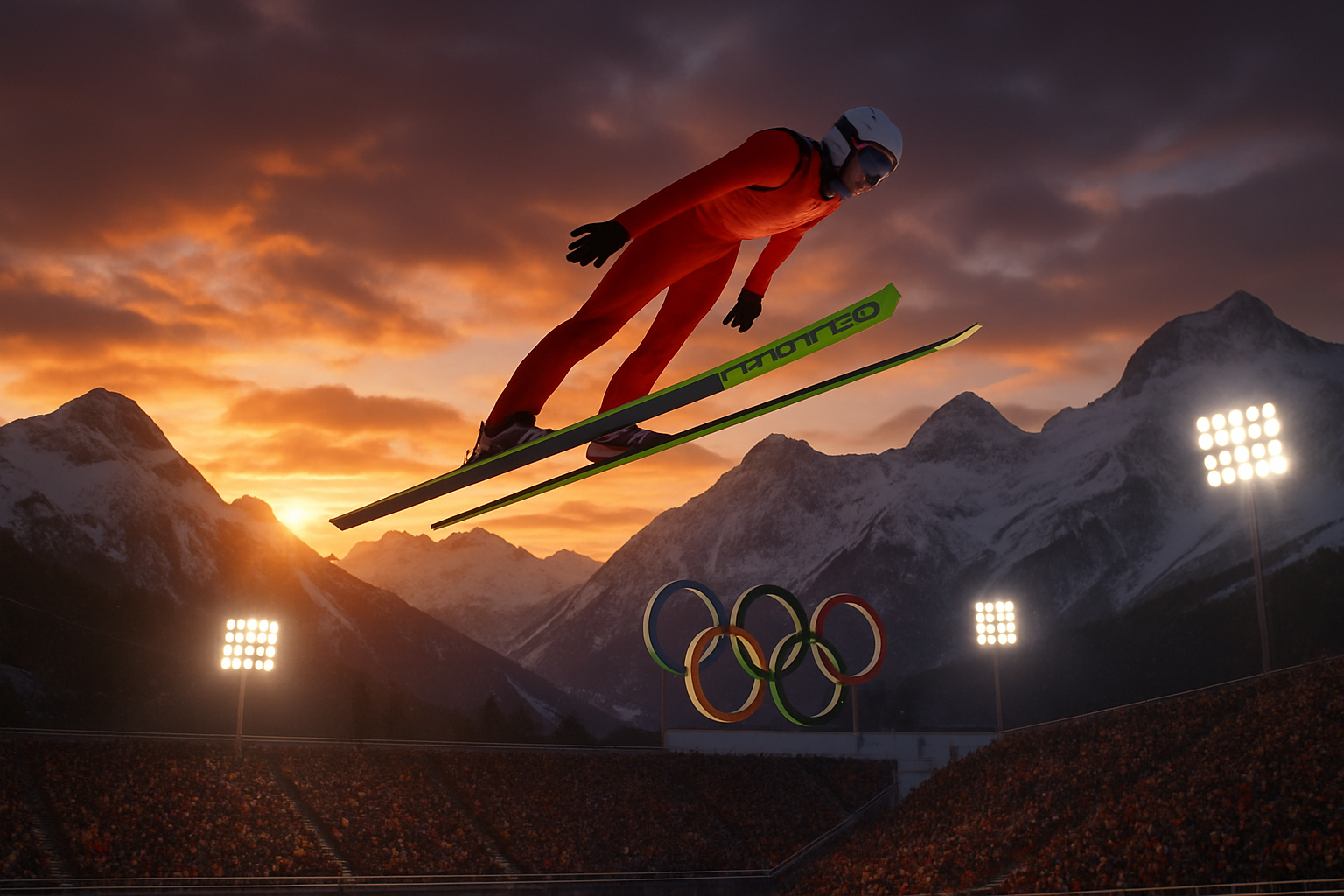
Norwegian ski jumping sensation Håkon Moe Berg shattered personal barriers at the French venue, setting a new personal record that sent shockwaves through the Nordic skiing community. The achievement came after Berg specifically traveled to France seeking stronger competition, a decision that paid dividends as he broke through previous limitations with a performance that left spectators and fellow competitors in awe.
Berg's breakthrough represents the continuing Norwegian dominance in ski jumping, a sport where the Scandinavian nation has historically excelled. His personal record-setting performance adds to Norway's impressive medal tally at these geographically dispersed Games, which span over 400 kilometers from Milan to Cortina d'Ampezzo.
Tragic Freestyle Skiing Accident
The euphoria of Berg's achievement was tempered by a devastating accident in freestyle skiing that sent shockwaves through the Olympic community. Former Olympic champion Cassie Sharpe suffered a horrific crash during halfpipe qualification, falling heavily and remaining motionless on the snow before receiving immediate medical attention.
"She was lying completely still and needed medical help before being taken away on a stretcher."
— Eyewitness Report
The Canadian athlete, who had previously claimed Olympic gold, was carefully removed from the halfpipe on a stretcher after medical personnel attended to her on-site. The incident served as a stark reminder of the inherent dangers in freestyle skiing, where athletes push the boundaries of human capability in pursuit of Olympic glory.
American Figure Skating Triumph
In a stunning turn of events at the figure skating venue, 20-year-old Alysa Liu made history by becoming the first American woman to capture Olympic gold in figure skating in 24 years. Liu's victory was particularly dramatic given the turbulent path that led to this moment of triumph.
The young skater's journey to Olympic gold has been nothing short of extraordinary. After retiring from competitive skating at just 16 years old, Liu made an unprecedented comeback that culminated in this historic achievement. Her victory breaks a nearly quarter-century drought for American women in figure skating's most prestigious individual event.
Liu's path to gold was complicated by unusual circumstances, including reports of surveillance by foreign intelligence operatives. Despite these extraordinary challenges, she delivered a performance that combined technical excellence with artistic maturity, proving that her early retirement was merely a pause rather than an end to her competitive career.
Swedish Hockey Heartbreak
Sweden's Olympic hockey dreams were crushed in dramatic fashion as Switzerland secured a 2-1 overtime victory in the bronze medal match. The decisive goal came with just one minute remaining in overtime, leaving the Swedish team devastated after what had been a competitive tournament.
Swedish player Mira Jungåker captured the nation's disappointment perfectly in her post-game interview with SVT Sport:
"It's an incredible disappointment. We came so close to the podium, but it wasn't meant to be."
— Mira Jungåker, Swedish Hockey Player
The loss means Sweden will leave the Milano-Cortina Games without a hockey medal, a bitter pill for a nation with proud hockey traditions. Switzerland's victory, meanwhile, adds to their impressive medal haul at these Games and demonstrates the increasing competitiveness of international hockey.
Revolutionary Olympic Format
These dramatic events unfolded against the backdrop of the most geographically dispersed Winter Olympics in history. The Milano-Cortina 2026 Games have successfully demonstrated that Olympic competition can maintain its highest standards while embracing innovative hosting models that prioritize sustainability and geographic distribution.
The dual-city format, spanning more than 400 kilometers across northern Italy, has proven that Olympic excellence transcends traditional centralized venue models. From the ski jumping hills to the ice hockey arenas, athletes have competed at the highest level despite the logistical complexities of this revolutionary approach.
Technology and Innovation
The Games have also showcased groundbreaking technological innovations, including the first-ever Olympic integration of AI systems for broadcasting and competition analysis. These technological advances have enhanced both the competitive experience for athletes and the viewing experience for global audiences.
Cultural innovations have been equally impressive, with bilingual place names in the German-speaking Alto Adige region and sustainable Olympic villages featuring greenhouse spaces. The "Gen Z" mascots Milo and Tina have resonated with younger audiences worldwide, demonstrating the Games' commitment to connecting with diverse demographics.
Global Winter Sports Expansion
Perhaps most remarkably, these Games have witnessed unprecedented global expansion in winter sports participation. Nations from six continents have achieved breakthrough performances, challenging traditional powerhouses and demonstrating that winter sports excellence is no longer confined to traditional Northern Hemisphere powers.
From historic debuts by Middle Eastern nations to breakthrough performances by athletes from unexpected regions, the Milano-Cortina Games have shown that the Olympic dream truly knows no geographic boundaries.
Looking Ahead
As competition continues through February 22, the Milano-Cortina 2026 Winter Olympics have already established themselves as a watershed moment in Olympic history. The combination of athletic excellence, technological innovation, and sustainable hosting practices has created a new paradigm for future Olympic Games.
The dramatic events of February 19 – from Berg's record-breaking ski jumping to Liu's historic figure skating gold, from Sharpe's frightening crash to Sweden's hockey heartbreak – encapsulate the essence of Olympic competition: the thin line between triumph and tragedy, the pursuit of excellence despite enormous risk, and the human drama that makes the Olympics compelling viewing for billions worldwide.
These Games will be remembered not just for their innovative format or technological achievements, but for the raw human emotions and extraordinary athletic performances that continue to define the Olympic movement. As the competition enters its final days, athletes and spectators alike can expect more of the drama, excellence, and inspiration that have made Milano-Cortina 2026 truly unforgettable.