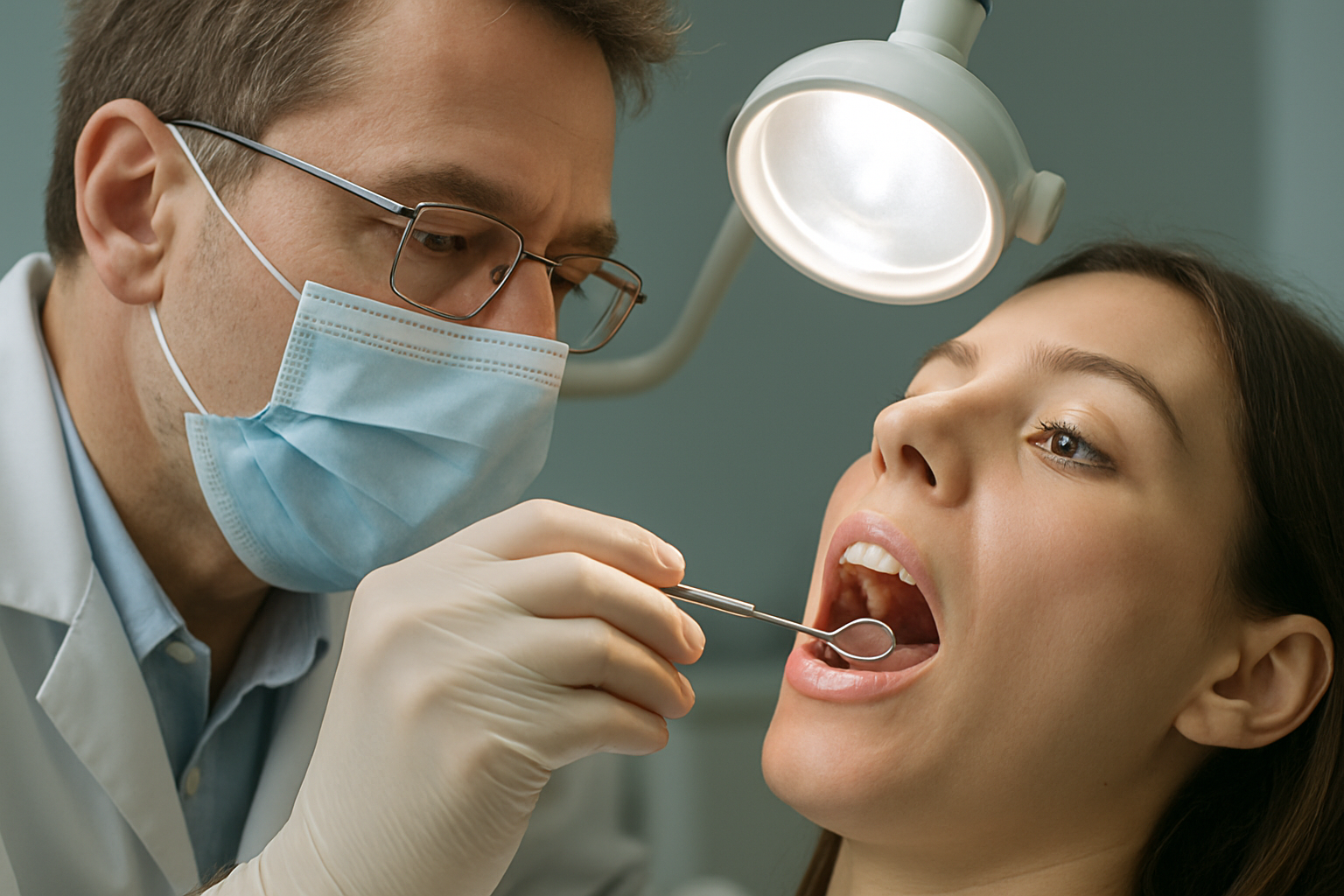
A prominent dental expert has revealed six critical warning signs in the mouth that may indicate increased risk for colorectal cancer, emphasizing the vital connection between oral health and systemic disease prevention during the ongoing Therapeutic Revolution of 2026.
The breakthrough research focuses on the dangerous presence of Fusobacterium nucleatum, a specific bacteria that appears in both severe oral infections and colorectal tumors, establishing a previously underestimated link between dental health and cancer development.
The Bacterial Connection: Fusobacterium nucleatum
Medical professionals have identified Fusobacterium nucleatum as the key bacterial culprit creating dangerous connections between oral health deterioration and colorectal cancer development. This pathogenic bacteria, commonly found in severe dental infections, has been consistently detected in colorectal tumor samples, suggesting a direct pathway between oral disease and cancer progression.
According to the latest research from Slovak medical institutions, this bacteria can migrate from infected oral tissues through the bloodstream to the intestinal tract, where it may contribute to tumor formation and cancer cell proliferation. The discovery aligns with broader 2026 medical advances emphasizing prevention-first healthcare approaches over reactive treatment.
Six Critical Oral Warning Signs
Dental experts have identified six specific oral symptoms that warrant immediate professional evaluation due to their potential connection with increased colorectal cancer risk:
- Persistent bleeding gums - Chronic gum bleeding, especially when brushing or flossing, may indicate advanced periodontal disease harboring dangerous bacteria
- Chronic bad breath (halitosis) - Persistent foul odor despite good oral hygiene could signal deep bacterial infections
- Loose or shifting teeth - Advanced gum disease can cause tooth mobility, indicating severe bacterial infiltration
- Red, swollen, or tender gums - Inflammatory responses may create optimal conditions for harmful bacterial growth
- Deep gum pockets - Spaces between teeth and gums deeper than 4mm can harbor dangerous bacterial colonies
- Recurrent oral abscesses - Repeated infections demonstrate compromised oral immunity and bacterial persistence
Understanding the Gut-Oral Health Connection
The relationship between oral health and colorectal cancer represents a paradigm shift in understanding how localized infections can influence systemic disease development. Recent research demonstrates that oral bacteria, particularly Fusobacterium nucleatum, can survive the journey through the digestive system and establish colonies in the intestinal tract.
This bacterial translocation process may trigger chronic inflammation in the colon, disrupt the natural gut microbiome balance, and potentially contribute to cellular changes that increase cancer risk. The discovery emphasizes the importance of comprehensive oral care as a component of overall cancer prevention strategies.
Global Health Context: Prevention-First Revolution
These findings emerge during the "Therapeutic Revolution of 2026," a global healthcare transformation emphasizing prevention-first strategies over reactive treatment approaches. Countries implementing comprehensive prevention programs report 40% cost reductions through decreased crisis interventions while achieving superior population health outcomes.
The oral-cancer connection research aligns with WHO findings that 38-40% of cancer cases are preventable through lifestyle modifications and early intervention strategies. This positions dental health as a critical component of comprehensive cancer prevention protocols.
"The mouth is often considered separate from the rest of the body, but this research demonstrates how oral health directly impacts systemic disease risk. Regular dental care isn't just about preserving teeth—it's about protecting overall health."
— Dr. Sarah Mitchell, Preventive Medicine Specialist
Preventive Action Steps
Health professionals recommend immediate preventive measures for individuals showing any of the six warning signs:
- Comprehensive dental examination - Professional evaluation can identify bacterial infections before they become systemic threats
- Periodontal therapy - Deep cleaning procedures can eliminate dangerous bacterial colonies in gum pockets
- Enhanced daily oral hygiene - Thorough brushing, flossing, and antimicrobial mouth rinses can prevent bacterial accumulation
- Regular monitoring - Quarterly dental check-ups for high-risk individuals can ensure early intervention
- Systemic health screening - Individuals with severe oral health issues should discuss colorectal cancer screening with their physicians
- Lifestyle modifications - Smoking cessation, reduced alcohol consumption, and improved nutrition support both oral and systemic health
Economic and Social Implications
The oral health-cancer connection has significant economic implications for healthcare systems worldwide. Prevention-focused dental care costs substantially less than advanced cancer treatment, with economic analyses showing prevention strategies offer superior long-term cost-effectiveness compared to reactive treatment models.
Countries implementing comprehensive prevention programs demonstrate enhanced community resilience, reduced emergency care demands, and improved workforce productivity, creating positive economic multiplier effects extending beyond healthcare costs to education, workplace stability, and social cohesion.
Future Research Directions
Ongoing research initiatives are investigating additional connections between oral bacteria and various cancer types, including pancreatic, lung, and breast cancers. Scientists are also developing targeted antimicrobial therapies specifically designed to eliminate dangerous oral bacteria while preserving beneficial microorganisms.
The integration of oral health screening into standard cancer prevention protocols represents a promising avenue for early intervention strategies. Advanced diagnostic tools are being developed to detect specific bacterial profiles that may indicate increased cancer risk.
International Cooperation in Oral Health Research
Despite WHO funding challenges, bilateral partnerships and regional cooperation continue driving medical innovation through peer-to-peer knowledge sharing. The oral health-cancer research represents successful international collaboration, with studies spanning multiple countries and demonstrating the value of distributed cooperation models.
This research exemplifies how smaller nations can contribute meaningful insights to global health knowledge while larger countries provide technological innovations and implementation resources, creating a comprehensive international research ecosystem.
Taking Action: A Call for Preventive Care
The identification of oral warning signs connected to colorectal cancer risk underscores the critical importance of preventive dental care as part of comprehensive health maintenance. This research positions dental professionals as front-line defenders against systemic disease, expanding their role beyond traditional oral health preservation.
Individuals experiencing any of the six identified warning signs should seek immediate professional dental evaluation, discuss their findings with their primary healthcare providers, and consider enhanced cancer screening protocols based on their risk profile.
The Therapeutic Revolution of 2026 continues demonstrating that coordinated action, combining advanced scientific research with practical preventive interventions, can achieve transformative health improvements while addressing the growing global burden of cancer through evidence-based, accessible strategies.