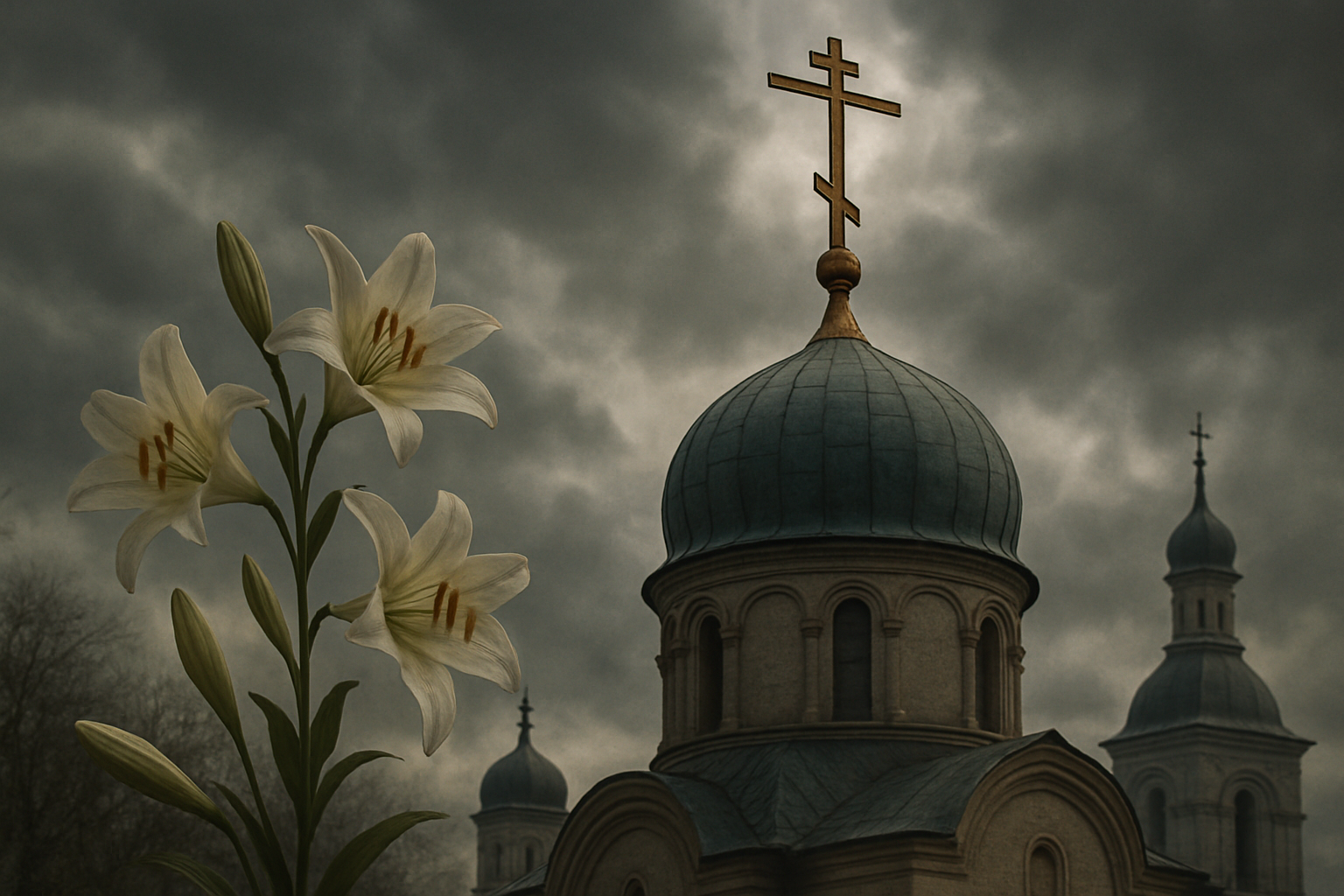
A temporary 32-hour ceasefire between Russia and Ukraine began Saturday afternoon to mark Orthodox Easter, though immediate violations were reported by both sides just hours after the truce took effect, casting doubt on the humanitarian pause's effectiveness.
The ceasefire, which runs from 4:00 PM local time Saturday until midnight Sunday, was announced by Russian President Vladimir Putin on Thursday after Ukrainian President Volodymyr Zelensky had advocated for such a pause for over a week. The agreement represents the first coordinated humanitarian pause since trilateral peace talks between Ukraine, Russia, and the United States were suspended indefinitely in March 2026 due to the Iran crisis.
Immediate Violations Cast Doubt on Truce
Despite official commitments from both sides, violations were reported within hours of the ceasefire's implementation. Ukrainian military officials told The Associated Press that Russia continued drone strikes against Ukrainian positions in Odesa, with rescue workers photographed extinguishing fires at residential buildings destroyed by Russian attacks on Saturday.
Pro-Russian sources also reported alleged Ukrainian violations, with Russian news agency TASS claiming that Ukrainian drones targeted Nova Kakhovka, causing damage and injuring one person. The pattern of mutual accusations reflects the deep mistrust that has characterized the nearly four-year conflict.
Religious Significance Amid Global Orthodox Community
The timing of the ceasefire coincides with Orthodox Easter celebrations observed by over 500 million Orthodox Christians worldwide, including significant populations in both Ukraine and Russia. The shared religious and cultural traditions transcend the current political boundaries, offering a moment for spiritual observance without the immediate threat of violence.
"People need Easter without threats and real move towards peace"
— President Volodymyr Zelensky
Zelensky had initially proposed the Easter truce, challenging Russia to extend the pause beyond the Easter period as "a test of genuine peace commitment." However, Russian Foreign Ministry sources indicated Moscow was unlikely to grant a longer ceasefire, arguing that Kyiv could use any extended pause to "regroup, build fortifications, and enhance military capacity."
Major Prisoner Exchange Precedes Ceasefire
In a significant humanitarian gesture coordinated with the truce, Russia and Ukraine conducted their largest prisoner exchange in months on Saturday. Both countries exchanged 175 prisoners of war each, with the United Arab Emirates serving as mediator, according to officials from both nations.
President Zelensky confirmed that Ukraine brought home 175 servicemen and seven civilians from Russian captivity, noting that most Ukrainian servicemen had been held since 2022 and had defended various fronts from east to south. Russia's Defense Ministry said it received 175 servicemen and seven civilians originally from the Kursk region.
This marked the 72nd prisoner exchange since the February 2022 invasion, with Ukraine having received approximately 18,000 bodies total, according to Kremlin advisor Vladimir Medinsky. The exchange mechanism represents one of the few concrete results from previous diplomatic efforts.
Suspended Peace Talks Cast Shadow
The Easter ceasefire takes place against the backdrop of suspended trilateral peace negotiations that had shown unprecedented promise in February 2026. Those talks had achieved historic breakthroughs, including a 314-prisoner exchange (the largest in five months) and the restoration of US-Russia military communications after a four-year suspension.
The February negotiations in Abu Dhabi and Geneva had seen "significant progress" on ceasefire monitoring mechanisms, with European "Big 5" observers (Germany, France, Italy, UK, and Poland) participating for the first time. However, the talks were indefinitely postponed in March as the Iran crisis consumed American foreign policy attention, derailing what many considered the most significant diplomatic opportunity since the conflict began.
Military Context and Humanitarian Crisis
The brief respite comes amid an acceleration of military operations. Russian forces have gained 481 square kilometers of territory in January 2026 compared to 260 square kilometers in December 2025, representing an 85% increase in the fastest monthly expansion in months. Ukrainian officials report that over 10,000 Russian drones and bombs were launched in January 2026 alone.
The humanitarian toll continues to mount, with President Zelensky having disclosed that 55,000 Ukrainian soldiers have been officially killed, with a "large number" still missing. International estimates suggest actual casualties could be 2-3 times higher. The systematic targeting of civilian infrastructure has left over 1,170 buildings in Kyiv without adequate heating, and Ukrainian nuclear plants were forced to halt electricity production for the first time in the conflict.
Ukraine's Strategic Evolution
Despite the ongoing conflict, Ukraine has evolved from aid recipient to security provider on the global stage. The country has deployed over 200 military specialists to UAE, Qatar, Jordan, Bahrain, and Kuwait to combat Iranian Shahed drones—the same weapons being used to attack Ukrainian infrastructure. This strategic transformation has created new partnerships and potential diplomatic leverage.
The United Kingdom has revealed four operational MRO (maintenance, repair, and operations) facilities in Ukraine servicing Western-supplied equipment, with a fifth planned. This represents unprecedented military cooperation and the first public acknowledgment of such extensive military infrastructure on Ukrainian soil.
International Support Despite Divisions
International support for Ukraine remains substantial but shows growing divisions. The European Union approved a historic €90 billion loan package—the largest single-nation assistance package ever—though Slovakia, Czech Republic, and Hungary refused to participate, exposing internal EU divisions.
Additional support has continued with Sweden and Denmark announcing a €246 million air defense package, and Germany providing 35 Patriot missiles. However, over 17.8 million Ukrainians continue to access winter support programs due to the systematic targeting of energy infrastructure.
Nuclear Governance Crisis Backdrop
The Orthodox Easter ceasefire occurs against the unprecedented backdrop of the New START treaty's expiration on February 5, 2026—the first time in over 50 years that the United States and Russia operate without nuclear constraints. Both nations control 80% of global nuclear weapons, with Russia possessing 4,380 warheads and the US holding 3,708.
UN Secretary-General Antonio Guterres has called this a "grave turning point," with nuclear risks at their "highest in decades." The restored military communications between the Pentagon and Russian General Staff represent the only remaining formal diplomatic channel between the nuclear superpowers.
Territorial Disputes Remain Unresolved
The fundamental sticking point in any potential peace agreement remains unchanged: the eastern Ukrainian territories currently under Russian control. Russia demands recognition of these territorial gains and insists that any Putin-Zelensky talks must occur in Moscow. Ukraine maintains its territorial integrity position and categorically rejects territorial concessions.
"Ukrainian people would reject handing over territories as a failure story"
— President Volodymyr Zelensky
The acceleration of Russian territorial gains potentially strengthens Moscow's bargaining position, while Ukraine's expanding international partnerships and sustained operational capabilities provide their own form of leverage.
Framework Preservation for Future Engagement
Despite the suspension of formal peace talks, diplomatic achievements from February 2026 remain intact. The prisoner exchange mechanisms, Pentagon-Moscow deconfliction protocols covering operations in Syria, the Arctic, and Africa, and the structured negotiation format developed through UAE methodology can be reactivated when the Iran crisis permits more favorable conditions.
The proven success of these frameworks offers a foundation for future engagement, having demonstrated that sustained diplomatic efforts can produce concrete humanitarian results even amid ongoing military operations.
Global Stakes and 21st Century Implications
The success or failure of eventual resumed talks carries implications far beyond Ukraine and Russia. The conflict has become a template for 21st-century territorial dispute resolution, affecting European security architecture redefinition, international law enforcement credibility, and territorial sovereignty principles that could govern power competition for decades.
Success could end Europe's deadliest war since World War II and provide a conflict resolution model for other territorial disputes. Failure may intensify military operations globally and undermine the credibility of diplomatic solutions, affecting international sovereignty enforcement mechanisms and regional security architectures worldwide.
Looking Ahead: Uncertain Timeline
The timeline for resumed negotiations depends heavily on the resolution of the Iran crisis and broader Middle East stability. The Trump administration's June 2026 deadline for comprehensive peace talks in Washington remains uncertain due to competing Middle East priorities.
As military escalation continues with systematic civilian targeting, Ukraine simultaneously expands its international partnerships and maintains operational capabilities. The Orthodox Easter ceasefire, regardless of its violations, serves as a reminder of shared traditions and the possibility of peace, even as the coming phase remains critically uncertain and dependent on broader geopolitical developments.
The international community continues to watch whether diplomatic innovation can overcome military escalation in determining the European security trajectory for decades to come, with the Orthodox Easter pause representing both the fragility and the enduring hope for peaceful resolution of one of the 21st century's defining conflicts.