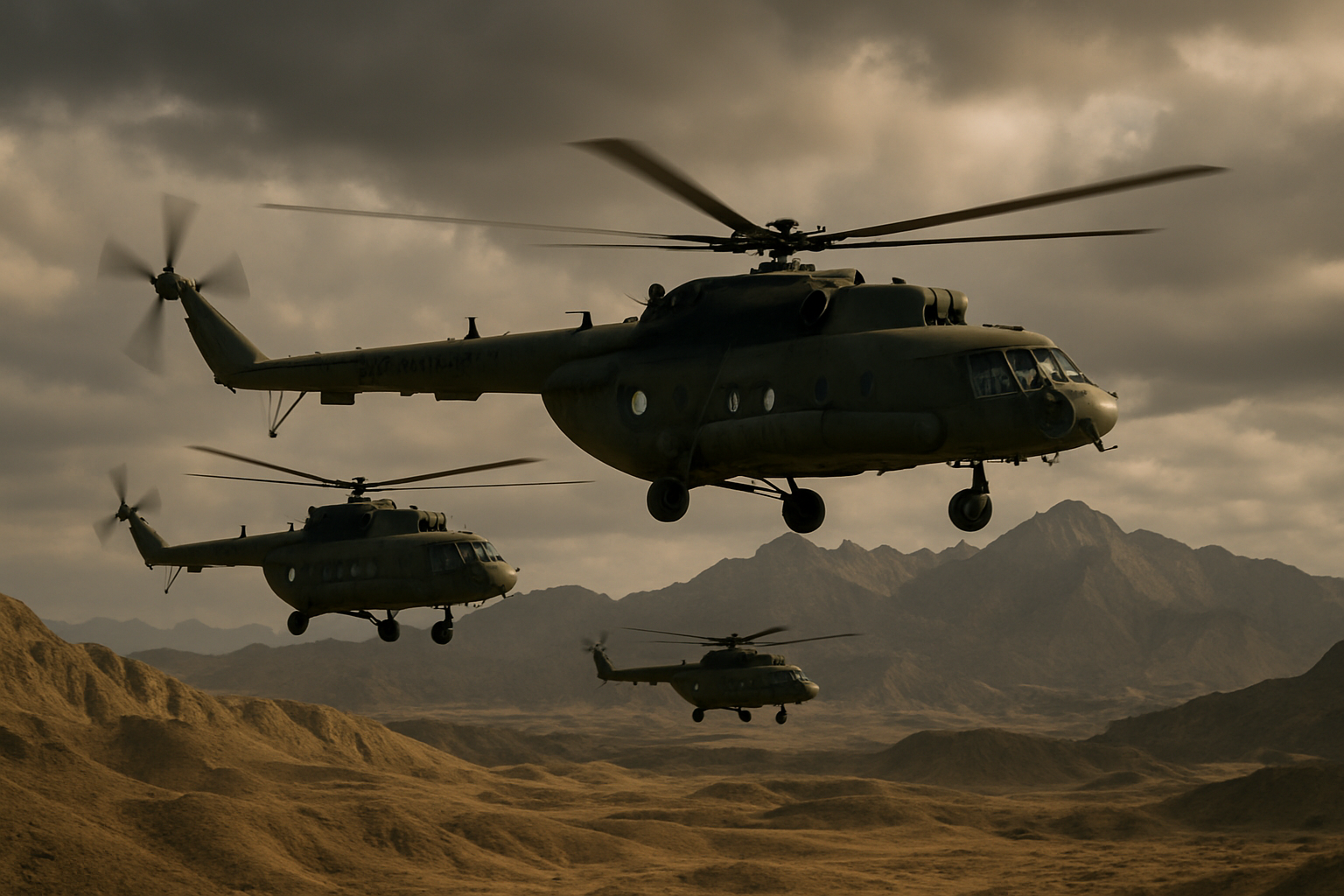
Pakistani military forces have killed 197 separatist militants in a three-day counter-terrorism operation across Balochistan province, bringing the total death toll from weekend violence to 255 people, including 22 soldiers and 36 civilians.
The extensive military operation, which deployed helicopters and drones, concluded on Wednesday after Pakistani security forces regained control of several strategic towns that had been seized by the Baloch Liberation Army (BLA) during coordinated attacks that began on Saturday, January 31, 2026.
According to multiple Pakistani security sources, the BLA launched simultaneous assaults across 12 cities and localities throughout Pakistan's largest province, targeting government buildings, police stations, security installations, and civilian infrastructure in what officials described as one of the group's most ambitious operations to date.
Coordinated Weekend Assault
The initial wave of attacks brought Balochistan to a near standstill as separatist fighters stormed schools, banks, markets, and security installations. The targeted locations included the provincial capital Quetta, as well as Mastung, Nushki, Dalbandin, Kharan, Panjgur, Tump, Gwadar, and Pasni.
"I thought the roof and walls of my house were going to blow up," said Robina Ali, a housewife living near the main administrative building in the fortified provincial capital of Quetta, where a powerful morning blast rocked the area during the initial assault.
In Nushki district, armed militants attacked various government offices including a police station, judicial complex, police lines, district commissioner's office, and a Frontier Corps camp, setting several government buildings on fire before Pakistani forces launched their counter-offensive.
Military Response and Casualty Breakdown
Pakistani security forces responded with what officials described as "mop-up operations" using aerial assets including helicopters and drones to target militant positions in both urban areas and surrounding mountainous terrain.
The comprehensive casualty breakdown from the three-day conflict includes:
- 197 separatist militants killed during military operations
- 22 Pakistani security personnel killed in action
- 36 civilians killed in crossfire, including children
- Total confirmed death toll: 255
The BLA, operating under what it called "Operation Herof" (Black Storm), claimed responsibility for the attacks and initially claimed to have killed 280 soldiers during their offensive, though they provided no evidence to support this figure. Pakistani authorities disputed these claims.
Ongoing Security Operations
While the town of Nushki has been cleared and local bazaars have reopened after three days of fighting, Pakistani security forces continue search operations in the mountainous areas of affected districts. Officials confirmed that clearance operations remain ongoing in Nushki, Awaran, and Washuk districts.
The Inspector General of Police paid tribute to fallen security personnel, while China, Pakistan's key strategic partner, condemned the attacks amid concerns about threats to the China-Pakistan Economic Corridor (CPEC), which passes through Balochistan.
Regional Security Context
The latest violence represents a significant escalation in Balochistan's long-running separatist insurgency. The BLA, which seeks independence for the resource-rich province, has previously targeted Chinese interests and Pakistani security forces, but the scale and coordination of the weekend attacks marked a notable intensification of the conflict.
Balochistan, Pakistan's largest province by area, contains significant mineral wealth and serves as a strategic corridor for Chinese investments under the Belt and Road Initiative. The province has experienced decades of insurgency by groups seeking greater autonomy or independence from Islamabad.
The insurgency has been fueled by grievances over resource extraction, alleged human rights abuses by security forces, and demands for greater political autonomy. Separatist groups argue that the central government exploits the province's natural resources while providing inadequate development and representation to local populations.
International Implications
The violence has raised concerns about regional stability and the security of international investment projects. The attacks occurred in areas crucial to the China-Pakistan Economic Corridor, highlighting ongoing security challenges to the multi-billion-dollar infrastructure initiative.
Pakistani authorities have previously accused external actors, particularly India, of supporting separatist groups in Balochistan, allegations that New Delhi denies. The recent escalation comes amid broader regional tensions and Pakistan's ongoing efforts to attract international investment.
Humanitarian Concerns
The civilian death toll of 36, including women and children, has raised concerns among human rights organizations about the impact of military operations on non-combatants. The three-day operation represents one of the deadliest periods in recent Balochistan history.
Local residents in affected areas faced disrupted communications, restricted movement, and limited access to essential services during the height of the violence. The reopening of markets and restoration of normal activities in cleared areas suggests authorities are working to restore civilian life while maintaining security.
The latest conflict underscores the complex challenges facing Pakistan in addressing the Balochistan insurgency while protecting civilian populations and maintaining economic development in the strategic province. The high casualty toll and scale of the operation indicate that despite years of counter-insurgency efforts, the separatist threat in Balochistan remains significant.