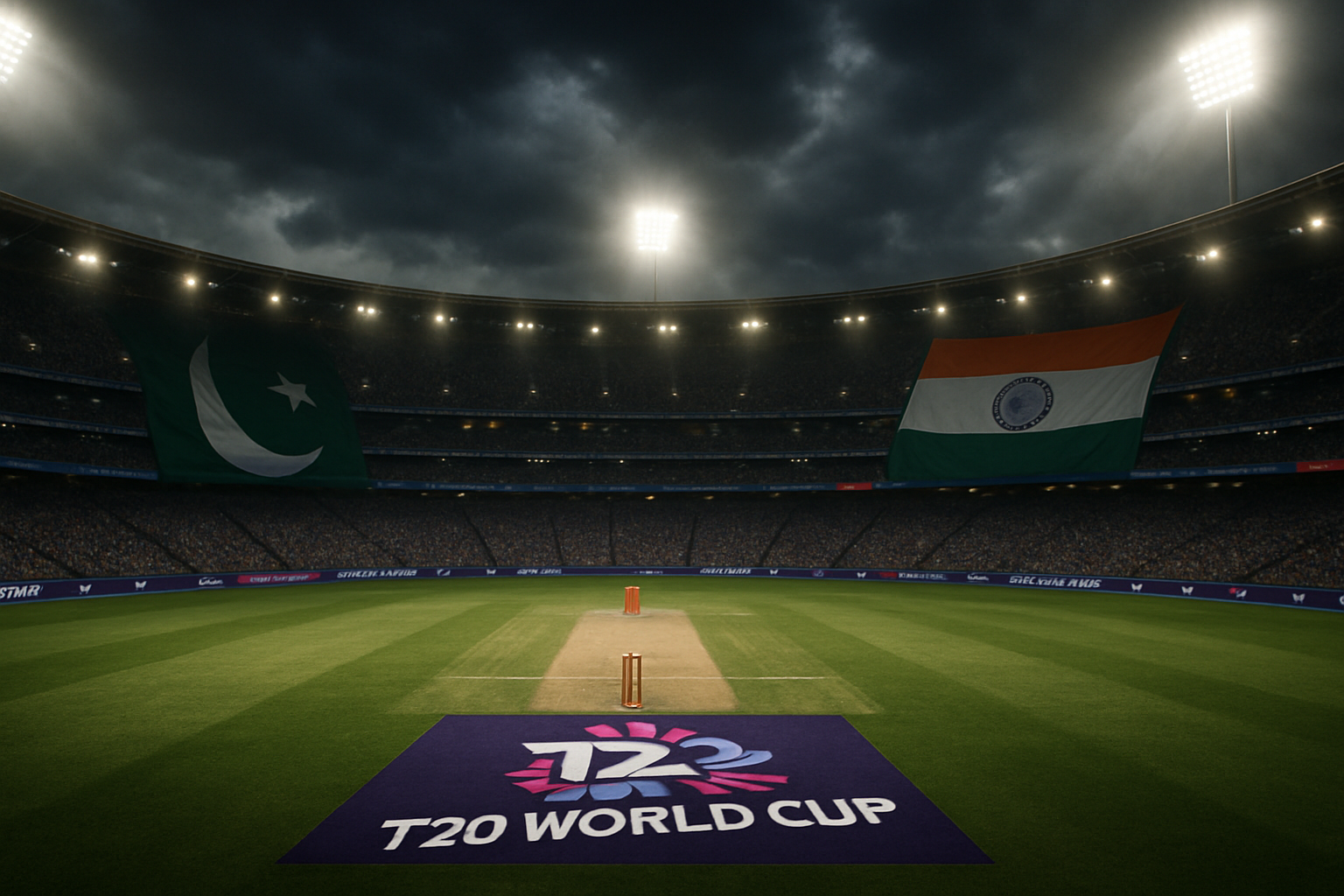
The Pakistani government has announced that its national cricket team will boycott the scheduled T20 World Cup 2026 match against arch-rivals India on February 15, marking a dramatic escalation in cricket diplomacy that threatens to overshadow the prestigious tournament.
In a statement posted on the Government of Pakistan's official X account on Sunday, authorities granted approval for the Pakistan cricket team to participate in the ICC World T20 2026 but explicitly barred them from taking the field against India. The decision comes after a week of uncertainty regarding Pakistan's participation in the tournament.
"The Government of the Islamic Republic of Pakistan grants approval to the Pakistan Cricket Team to participate in the ICC World T20 2026, however, the Pakistan Cricket Team shall not take the field in the match scheduled on 15th February 2026 against India," the official statement read.
Political Motivations Behind the Boycott
While the government statement did not explicitly detail the reasoning behind the boycott, sources indicate the move is aimed at expressing solidarity with Bangladesh and protesting what Pakistan perceives as the International Cricket Council's (ICC) biased attitude when dealing with India compared to other member countries.
The decision appears to be connected to broader geopolitical tensions and concerns about the tournament's organization. Adding to the complexity, uncertainty has been growing around the T20 World Cup due to the Nipah virus outbreak in India, with several countries expressing reservations about participation.
According to reports from Bangladesh, England has already communicated objections to relevant authorities regarding participation in the World Cup on Indian soil, citing the Nipah virus risk as a primary concern. Australia has also expressed similar worries, with Federal Health Minister Mark Butler stating they are closely monitoring the situation.
ICC Response and Consequences
The International Cricket Council has reacted strongly to Pakistan's decision, raising serious concerns about the selective participation approach. The ICC emphasized that such actions go against the spirit of global tournaments and could have significant long-term implications.
In its response, the ICC stressed that fairness, integrity, and equal competition are core principles of its events. The governing body warned of potential consequences for cricket in Pakistan and urged for a resolution that would benefit the global game and fans worldwide, including those in Pakistan.
According to Al Jazeera, Pakistan will forfeit two crucial points if they fail to take the field for the cricket match, which is scheduled to be held in Colombo, Sri Lanka. This forfeit could significantly impact Pakistan's chances of progressing in the tournament.
Tournament Implications
The boycott announcement has created a major disruption for the T20 World Cup 2026 organizers and poses questions about the integrity of the competition. The Pakistan-India cricket rivalry is one of the most anticipated fixtures in international cricket, drawing millions of viewers worldwide and generating substantial revenue for the sport.
This decision marks a significant escalation in cricket diplomacy between the two nations, which have a long history of using cricket as a diplomatic tool. The match was part of the group stage fixtures, and Pakistan's absence will likely result in India receiving a walkover victory.
The uncertainty extends beyond just the Pakistan-India fixture, with other participating nations expressing concerns about the tournament's overall organization amid the Nipah virus outbreak. Health screenings have been intensified at various airports across Asia, though additional restrictions have not yet been imposed at Australian airports.
Historical Context and Future Implications
Pakistan-India cricket matches have frequently been affected by political tensions between the two nations over the decades. Cricket has often served as both a bridge for diplomacy and a casualty of political disagreements, with several series and matches being cancelled or relocated due to various disputes.
The current boycott decision could set a precedent for future tournaments and raises questions about the role of politics in international cricket. The ICC's warning about "long-term implications for cricket in its own country" suggests potential sanctions or restrictions that could affect Pakistan's participation in future ICC events.
Dawn newspaper reported that after around a week of uncertainty, the government's decision represents a compromise that allows Pakistan to participate in the broader tournament while making a political statement through the India boycott. However, this selective participation approach has clearly not satisfied the ICC's requirements for full tournament engagement.
The development also highlights the challenges faced by international cricket in navigating geopolitical tensions while maintaining the sport's global appeal and commercial viability. As the February 15 date approaches, all eyes will be on whether diplomatic efforts can resolve the impasse or if cricket will once again become a casualty of broader political conflicts.