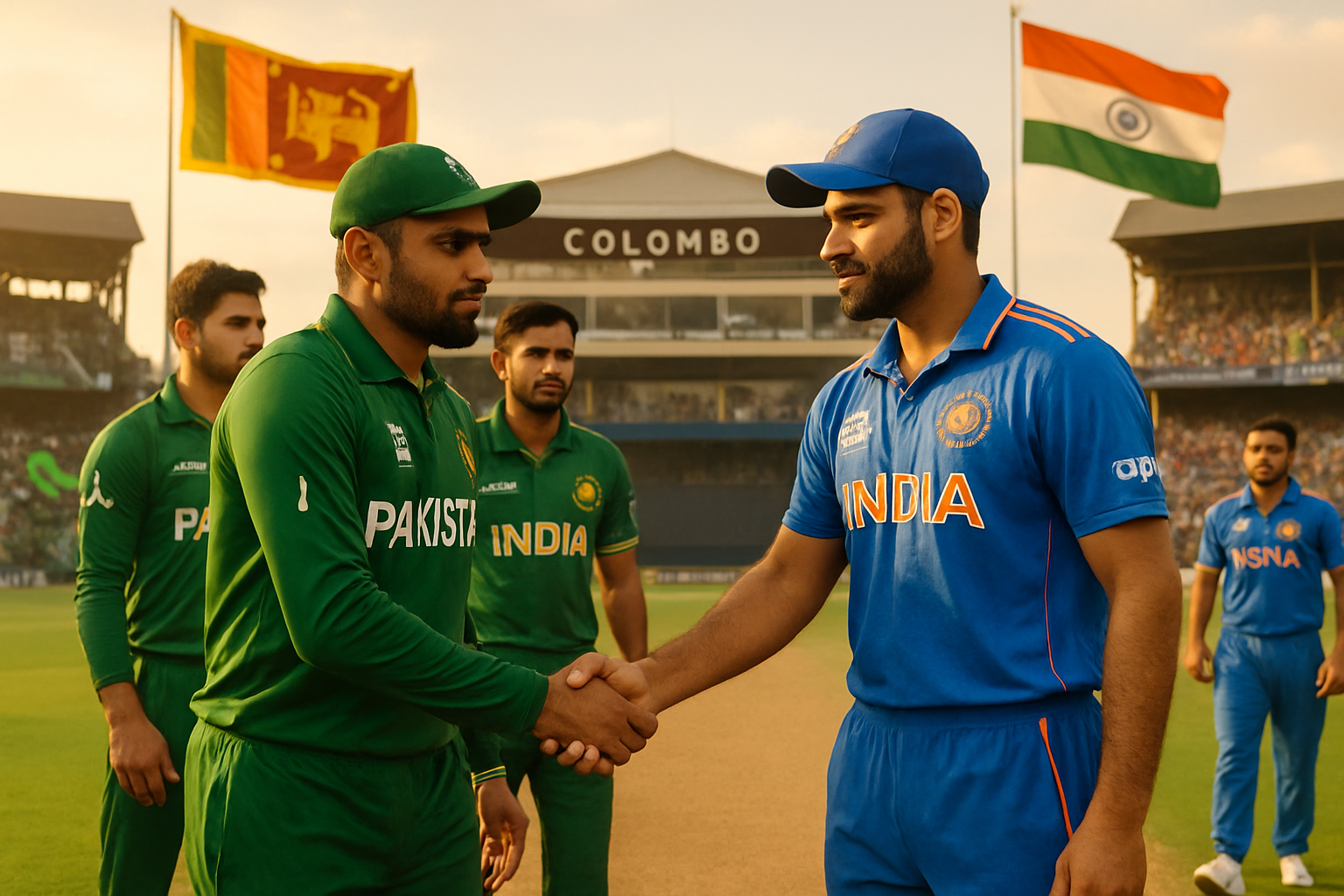
In a dramatic reversal that has sent shockwaves through the cricket world, Pakistan has officially ended its boycott of the T20 World Cup match against India, setting the stage for one of cricket's most anticipated encounters on February 15 in Colombo.
The Pakistan Cricket Board (PCB) confirmed Monday evening that the team will take the field against their arch-rivals at the R. Premadasa Stadium, bringing an end to a week-long diplomatic and sporting crisis that threatened to overshadow the tournament.
Prime Minister Shehbaz Sharif was formally briefed by PCB Chairman Mohsin Naqvi regarding the outcomes of high-level deliberations held between the PCB, representatives of the International Cricket Council (ICC), and the Bangladesh Cricket Board (BCB), according to an official government statement posted on X.
High-Stakes Diplomatic Intervention
The breakthrough came after intensive behind-the-scenes negotiations involving multiple cricket boards and international mediators. A delegation from the ICC, led by director Imran Khawaja, arrived in Lahore over the weekend for crucial talks with PCB officials. Bangladesh Cricket Board President Aminul Islam also made a special visit to Pakistan to urge participation in the high-profile fixture.
According to Dawn, the decision followed formal requests from the Bangladesh Cricket Board, along with supporting communications from Sri Lanka, the United Arab Emirates, and other ICC member nations. The government statement emphasized that Pakistan had "reviewed the formal requests extended to the PCB by the BCB."
Sri Lanka's direct intervention proved particularly influential, with the host nation reportedly making urgent appeals to Pakistan hours before the final decision was announced. The island nation had significant financial and logistical stakes in ensuring the marquee match proceeded as scheduled.
Background to the Crisis
Pakistan's initial boycott decision, announced on February 1, had sent shockwaves through the cricket world. The government cited solidarity with Bangladesh and blamed India for recent attacks in Balochistan province, where the Baloch Liberation Army killed 48 people on February 1 before Pakistani forces eliminated 145 militants in a 40-hour counter-operation.
The boycott represented an unprecedented move in cricket history – a team officially refusing to play a World Cup match while continuing to participate in the rest of the tournament. Pakistan had been set to forfeit two crucial Group A points, potentially jeopardizing their tournament prospects.
"The standoff is over. The Pakistan Cricket Board has taken a U-turn over their boycott of the February 15 game against India at the T20 World Cup."
— Times of India
The crisis had created legal and financial complications for global cricket governance, with the ICC expressing serious concerns about selective participation and warning of potential strict action, including tournament exclusion.
International Response and Relief
The reversal has been met with widespread relief across the cricket community. Former England captain Nasser Hussain had backed Pakistan's original stance, asserting the need to halt the "intrusion of politics into sport," but the resolution allows focus to return to cricket rather than geopolitical tensions.
India captain Suryakumar Yadav had maintained throughout the crisis that his team remained committed to the fixture, stating: "Our flight is booked and we are going to Colombo." The Indian team can now prepare for what promises to be an electric atmosphere at the R. Premadasa Stadium.
Bangladesh Cricket Board President Aminul Islam expressed heartfelt gratitude to all parties involved for their positive roles in navigating the crisis. The BCB's diplomatic intervention proved crucial in finding a face-saving solution for Pakistan while ensuring the tournament's integrity remained intact.
Looking Ahead to the Showdown
Sunday's match now takes on even greater significance given the dramatic circumstances leading up to it. The fixture, originally scheduled for February 15, will proceed as planned with both teams having full squads available.
Pakistan captain Salman Agha had previously indicated that the team would seek government approval if they reached the knockout stages and faced India again. However, with this comprehensive resolution, such concerns have been eliminated for the remainder of the tournament.
The match will be played amid heightened security, with Sri Lankan authorities ensuring all necessary precautions are in place for what is expected to be a sold-out crowd featuring supporters from both nations.
Broader Implications for Cricket
The resolution of this crisis establishes important precedents for international cricket governance. The successful intervention by multiple cricket boards demonstrates the sport's capacity for diplomatic problem-solving when faced with political challenges.
The ICC's handling of the situation, while expressing concern about selective participation, ultimately achieved the desired outcome through patient negotiation rather than punitive measures. This approach may serve as a template for future political challenges facing international cricket.
The episode also highlights the unique position of cricket in South Asian geopolitics, where sporting encounters between India and Pakistan transcend mere competition to become matters of national pride and diplomatic significance.
Tournament Implications
With Pakistan now committed to playing all their fixtures, the T20 World Cup can proceed without the cloud of political controversy. Both teams will compete for the two Group A points that were previously in jeopardy, with significant implications for knockout stage qualification.
The tournament has already seen compelling cricket, with Pakistan defeating the Netherlands in their opener and England narrowly escaping an upset against Nepal. Sunday's India-Pakistan encounter promises to be the tournament's most-watched fixture.
Cricket fans worldwide can now look forward to witnessing one of sport's greatest rivalries play out on the field, where it belongs, rather than in diplomatic corridors. The reversal ensures that the T20 World Cup will be remembered for cricketing excellence rather than political controversy.