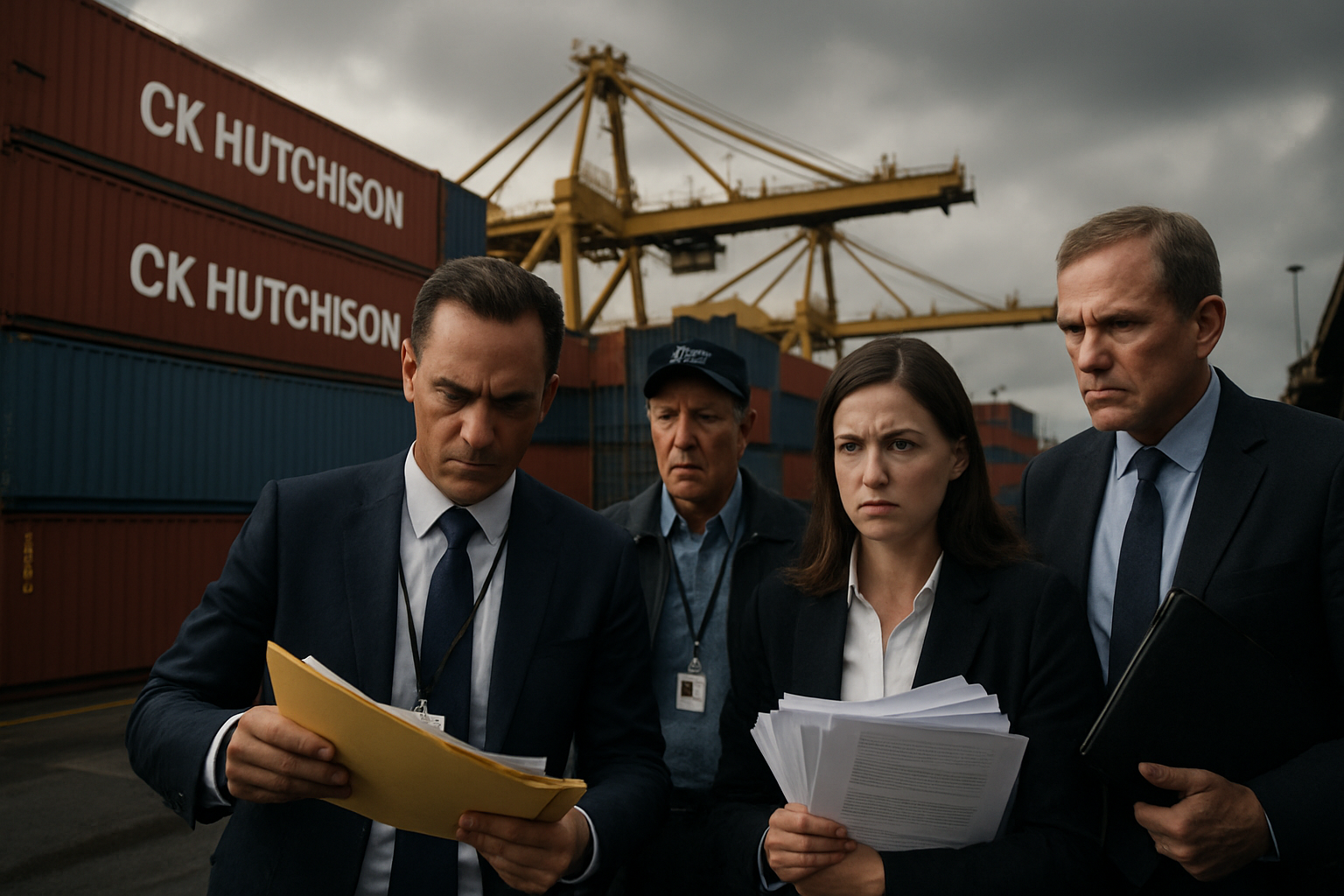
Panama Ports Company (PPC), a subsidiary of Hong Kong conglomerate CK Hutchison Holdings, has filed a formal complaint against Panamanian authorities following what it describes as an "illegal takeover" of port facilities and an "unnotified intrusion" by prosecutors, escalating a legal battle that threatens to impact one of the world's most strategic shipping corridors.
The latest development occurred on February 26, when Panama's Public Prosecutor's Office executed a search warrant at company offices in Albrook, just three days after PPC was evicted from the ports of Balboa and Cristóbal, which it had operated under concession for almost three decades. The Hong Kong-based parent company has accused Panamanian authorities of undermining due process and violating constitutional, contractual, and international obligations.
Government Raid Targets Legal Documents
According to Azael Samaniego, prosecutor for the Primary Care Section of the Anti-Corruption Prosecutor's Office, the investigation was initiated ex officio following information about alleged concealment of documentation related to port operations. However, Samaniego did not specify the exact nature of the alleged "illegal act" that prompted the investigation.
PPC has accused the Panamanian State of occupying and seizing property, including what it describes as "legally protected information." The company characterized the prosecutor's actions as an illegal seizure that violates established legal procedures and international investment protections.
"This unnotified intrusion at a facility storing materials related to ongoing legal proceedings represents a fundamental breach of due process"
— Panama Ports Company Statement
Three-Decade Concession at Stake
The dispute centers on PPC's operation of two critical port facilities within the Panama Canal system. The company has managed these strategic assets for nearly 30 years under a concession agreement, handling significant volumes of international shipping traffic that passes through one of the world's most important maritime chokepoints.
The ports of Balboa and Cristóbal serve as crucial entry and exit points for vessels transiting the Panama Canal, with operations directly impacting global supply chains and international trade flows. The facilities' strategic importance extends beyond their commercial value, representing a key component of Panama's economic infrastructure.
PPC's eviction from these facilities on February 23 marked a dramatic escalation in the ongoing dispute between the Hong Kong-based company and Panamanian authorities. The government's actions have effectively terminated a long-standing business relationship that has been central to Panama's port operations for decades.
International Business Implications
The conflict carries significant implications for international investment confidence in Panama and broader concerns about the security of long-term concession agreements in Latin America. CK Hutchison Holdings, one of Hong Kong's largest conglomerates, has substantial global infrastructure investments that could be affected by the precedent set in this dispute.
The timing of the government actions has raised questions about political motivations and the protection of foreign investment rights in Panama. The case represents a test of Panama's commitment to international arbitration processes and respect for established commercial agreements.
Industry observers note that the dispute occurs amid broader regional tensions over port operations and strategic infrastructure control, with governments increasingly scrutinizing foreign ownership of critical transportation assets.
Legal and Constitutional Challenges
PPC's complaint focuses on multiple legal grounds, including violations of constitutional due process protections, breach of contractual obligations, and failure to comply with international investment agreements. The company argues that the government's actions lack proper legal justification and were conducted without appropriate notice or procedural safeguards.
The case highlights tensions between national sovereignty over strategic infrastructure and international investment protection frameworks. Panama's actions appear designed to assert greater state control over port operations, while PPC maintains that established legal agreements protect its operational rights.
Legal experts suggest that the dispute may ultimately require international arbitration, given the cross-border nature of the investment and the complexity of the contractual arrangements involved. The outcome could influence future infrastructure investment decisions throughout the region.
Economic and Strategic Context
The Panama Canal and its associated port facilities generate substantial revenue for Panama's government and serve as cornerstone infrastructure for the country's economy. Control over these assets represents both significant economic value and strategic importance for national security considerations.
The dispute emerges against a backdrop of increased global attention to supply chain security and infrastructure resilience following disruptions experienced during recent years. Governments worldwide have reassessed their approach to critical infrastructure ownership and operation.
For CK Hutchison, the Panama operations represent part of a global portfolio of port and infrastructure investments. The company's response to the government actions will likely influence its future investment strategies and risk assessment for similar projects in emerging markets.
Ongoing Legal Proceedings
The prosecutor's investigation continues despite PPC's formal complaints, with authorities maintaining that their actions are justified by evidence of potential wrongdoing. The scope and timeline of the investigation remain unclear, as does the specific nature of any charges that might be filed.
PPC has indicated its intention to pursue all available legal remedies, including potential international arbitration proceedings. The company maintains that its operations complied with all applicable laws and contractual obligations throughout the concession period.
The case represents one of the most significant investment disputes in Panama's recent history, with implications extending far beyond the immediate parties involved. Resolution of the conflict will likely require extensive legal proceedings and could influence future government policies toward foreign infrastructure investment.
As the legal battle intensifies, both sides appear prepared for extended proceedings that could reshape Panama's approach to strategic infrastructure management and international business relationships. The outcome will be closely watched by investors, governments, and shipping companies with interests in the Panama Canal corridor.