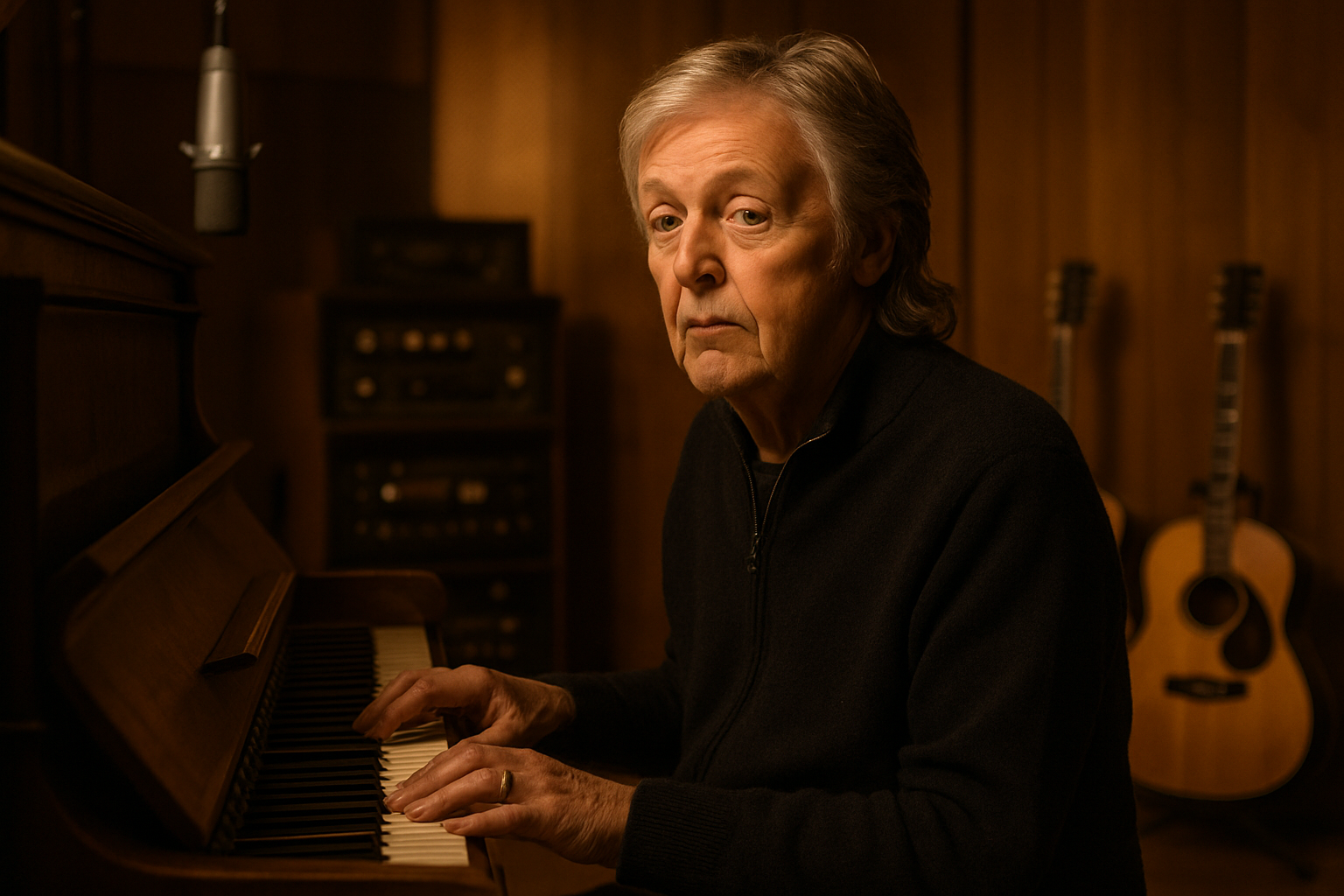
Sir Paul McCartney has announced his most personal album in decades, "The Boys of Dungeon Lane," scheduled for release on May 29, 2026, marking his first solo studio album in over five years and promising to take listeners on an introspective journey through the formative years that shaped one of music's most enduring legends.
The 83-year-old Beatles icon revealed the album through a heartfelt announcement that has sent waves of excitement through the music world, particularly during what industry observers are calling the "February 2026 Cultural Renaissance" – a period marked by unprecedented artistic collaboration and authentic cultural expression.
According to sources close to the production, "The Boys of Dungeon Lane" is not merely another solo effort, but a deeply introspective 14-track collection that explores McCartney's childhood in Liverpool during the 1950s and early 1960s. The album takes its title from a street in Liverpool where McCartney formed early friendships that would profoundly influence musical history, including relationships that contributed to The Beatles' formation.
A Return to Musical Roots
The album represents McCartney's most personal work in decades, drawing from vivid memories of growing up in post-war Liverpool. Sources indicate that the project explores themes of friendship, loss, and the innocence of youth against the backdrop of a rebuilding Britain. The collection features predominantly piano and acoustic guitar arrangements with minimal orchestration, deliberately emphasizing storytelling over elaborate production.
Recording took place across multiple locations, including London's legendary studios and McCartney's home studio in Scotland, creating an intimate atmosphere that reflects the album's deeply personal nature. The stripped-down approach recalls his earliest solo works, particularly the introspective qualities found in albums like "Ram" and the self-titled "McCartney" album.
"This album takes me back to where it all started – the streets of Liverpool, the friendships that shaped everything, the music that was always there waiting to be discovered."
— Paul McCartney, in recent interviews
Liverpool Childhood and Musical Genesis
The album's exploration of McCartney's formative years includes musical reflections on pivotal moments in Beatles history, particularly drawing inspiration from his legendary meeting with John Lennon at St. Peter's Church fete in 1957. This encounter, which occurred when McCartney was just 15 years old, is widely regarded as the moment that set The Beatles' formation in motion.
Industry insiders suggest that several tracks on "The Boys of Dungeon Lane" contain subtle musical callbacks to this historic meeting and the early days of The Beatles' development. The album's approach represents a mature artist's perspective on the seemingly ordinary moments that led to extraordinary musical history.
The title street itself holds particular significance in McCartney's personal mythology. Dungeon Lane represents the neighborhood connections that fostered his early musical development, where childhood friendships were formed that would later influence some of the most important music of the 20th century.
Cultural Renaissance Context
The album's announcement comes during what cultural observers have dubbed the "February 2026 Cultural Renaissance," a period characterized by artists returning to authentic, culturally rooted expression rather than commercial conformity. McCartney's deeply personal approach aligns with this broader cultural movement that has seen established artists prioritizing artistic integrity over market demands.
This cultural shift has been evident across multiple artistic disciplines, from BTS's embrace of Korean folk traditions in their "Arirang" album to various international artists exploring their cultural heritage while maintaining global appeal. McCartney's contribution to this movement represents one of rock music's most significant voices affirming the importance of authentic artistic expression.
Production and Artistic Approach
Unlike many contemporary albums that rely heavily on technological enhancement, "The Boys of Dungeon Lane" emphasizes organic musical arrangements. The production philosophy focuses on capturing the intimacy of McCartney's songwriting process, with many tracks featuring just voice, piano, or acoustic guitar.
This minimalist approach serves the album's thematic content, allowing McCartney's storytelling to take center stage. The decision to avoid elaborate orchestration or modern production techniques appears deliberate, creating space for the emotional weight of the material to resonate with listeners.
Sources close to the production describe recording sessions characterized by spontaneity and emotional authenticity, with McCartney often drawing from childhood memories during the creative process. The album reportedly contains some of his most vulnerable vocal performances, reflecting the deeply personal nature of the material.
Historical and Musical Significance
At 83, McCartney remains one of the few living connections to the revolutionary period of popular music that emerged in the 1960s. "The Boys of Dungeon Lane" represents more than just another album release; it serves as a musical autobiography from someone who helped define modern popular music.
The album's exploration of pre-Beatles Liverpool provides insights into the social and cultural environment that produced one of history's most influential musical partnerships. McCartney's recollections of this period offer unprecedented glimpses into the formative experiences that shaped his artistic development.
Music historians are already noting the album's potential significance as a primary source document about the origins of The Beatles. McCartney's firsthand accounts, expressed through song, provide unique perspectives on the social dynamics and cultural influences that contributed to the band's revolutionary sound.
Industry Reception and Expectations
The music industry has responded enthusiastically to the album announcement, with many viewing it as a significant cultural event. Coming after a five-year gap in solo recording, "The Boys of Dungeon Lane" represents McCartney's return to his role as a primary creative force rather than simply a nostalgic touring act.
Industry analysts expect the album to achieve both critical acclaim and commercial success, particularly given the current cultural climate that favors authentic artistic expression. The timing of the release, during the documented cultural renaissance period, positions the album to reach audiences hungry for meaningful, personally connected music.
Early industry response suggests that McCartney's decision to focus on artistic merits rather than commercial objectives aligns with broader industry trends favoring authentic expression over manufactured appeal. This approach has proven successful for numerous artists during the current cultural renaissance period.
Legacy and Future Impact
As McCartney approaches the later stages of his career, "The Boys of Dungeon Lane" appears positioned to serve as a capstone work that connects his earliest experiences with his lifetime of musical achievement. The album's focus on formative friendships and childhood experiences provides a full-circle moment for an artist whose work has spanned over six decades.
The project's emphasis on Liverpool roots also reinforces McCartney's connection to the working-class environment that shaped The Beatles' appeal. By returning to these themes, he reinforces the authentic cultural foundations that made his music resonate across generations and social boundaries.
For contemporary artists navigating the balance between commercial pressures and artistic integrity, McCartney's approach provides a template for mature artists maintaining creative relevance while honoring their cultural heritage. The album demonstrates that authentic personal expression can achieve both artistic success and cultural significance.
"The Boys of Dungeon Lane" is scheduled for release on May 29, 2026, with promotional activities expected to focus on the album's artistic merits and cultural significance rather than traditional commercial marketing approaches. The release will be available across all major platforms, with special attention given to vinyl pressings that honor the album's nostalgic themes and analog recording approach.
This return to deeply personal songwriting represents Paul McCartney's continued evolution as an artist who remains committed to authentic expression, demonstrating that even after decades of global success, the most powerful music often emerges from the most personal sources.