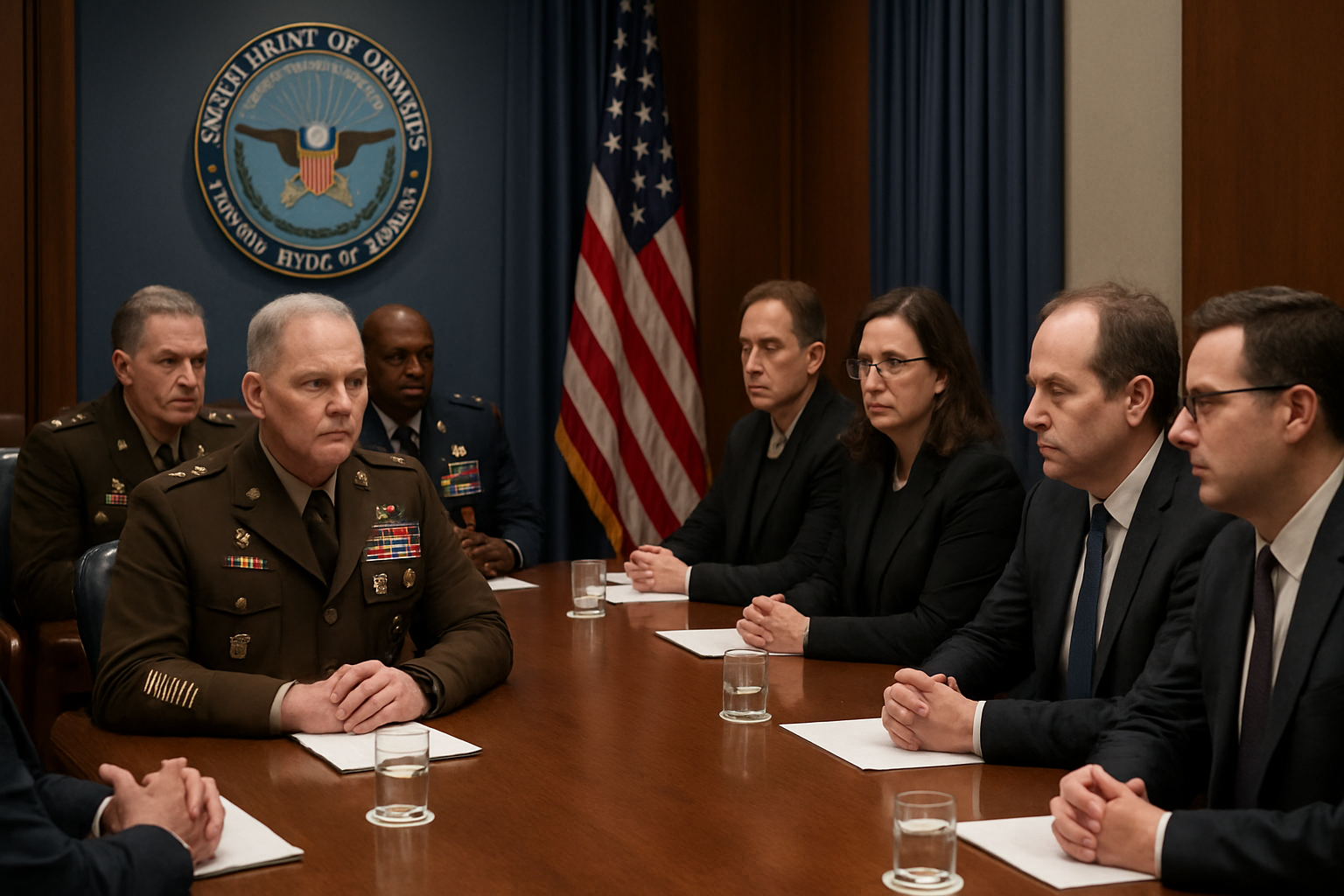
The Pentagon announced Friday it will sever all academic ties with Harvard University, ending decades of military education partnerships in what Defense Secretary Pete Hegseth called a "long overdue" decision against the Ivy League institution's promotion of "woke ideology."
In a statement released Friday, Hegseth declared the department is "formally ending ALL Professional Military Education, fellowships, and certificate programs with Harvard University." The defense secretary characterized the move as part of a broader offensive against what the Trump administration views as left-wing indoctrination in American higher education.
"Harvard is woke; The War Department is not," Hegseth stated bluntly, using the Pentagon's historical designation to emphasize the ideological divide he sees between the military and the university.
Accusations Against Harvard
The Pentagon's decision comes amid escalating tensions between the Trump administration and Harvard over multiple issues that have dominated campus discourse since the October 7, 2023 Hamas attacks on Israel. According to Russian media sources, Hegseth accused Harvard of pushing "globalist and radical ideologies" while failing to adequately protect Jewish students during pro-Palestinian demonstrations.
The defense secretary specifically cited Harvard's tolerance of what he characterized as "anti-Jewish harassment" and the university's engagement with "Chinese-linked research" as factors contributing to the decision. These concerns reflect broader national security and campus climate issues that have been at the forefront of political debate.
"The university's education programs are indoctrinating the military with 'globalist and radical ideologies,'"
— Pete Hegseth, US Defense Secretary
Scope of Severed Programs
The Pentagon's announcement affects a wide range of military-academic partnerships that have been in place for years. Professional Military Education programs, which provide advanced training for military officers, will no longer be conducted in collaboration with Harvard. Similarly, fellowship programs that allowed military personnel to pursue advanced degrees and research opportunities at the university are being terminated.
Certificate programs, which offered specialized training in areas such as national security studies, international relations, and strategic planning, will also end under the new policy. These programs have historically served as important bridges between military expertise and academic research.
Nigerian media reports indicate that the decision represents the latest escalation in the Trump administration's broader campaign against what it perceives as institutional bias in American universities. This follows previous tensions, including President Trump's demand for $1 billion in damages from Harvard over similar allegations.
Campus Tensions and Broader Context
The Pentagon's action comes against the backdrop of significant campus tensions that have roiled Harvard and other elite universities since the outbreak of violence in the Middle East. Pro-Palestinian demonstrations and counter-protests have created what critics describe as a hostile environment for Jewish students and faculty.
Harvard has faced sustained criticism from donors, alumni, and political figures over its handling of campus antisemitism. The university's response to incidents targeting Jewish community members has been deemed insufficient by many observers, contributing to the current crisis in federal-university relations.
The Trump administration has made targeting "woke" institutions a central element of its domestic policy agenda, with universities bearing particular scrutiny for their role in what conservatives view as ideological indoctrination.
International Reactions and Implications
International media coverage has highlighted the unprecedented nature of the Pentagon's decision to completely sever ties with one of America's most prestigious universities. European outlets have characterized the move as part of a broader pattern of political interference in academic freedom and institutional autonomy.
Romanian sources noted that this represents "part of the Trump administration's broader offensive against major university institutions accused of 'wokism.'" The coordinated nature of the criticism suggests a deliberate strategy to pressure academic institutions to modify their policies and campus climate.
The decision has implications beyond U.S. borders, as Harvard's international partnerships and research collaborations may face increased scrutiny. The university's global reputation and ability to attract international students and faculty could be affected by the high-profile break with the U.S. military.
Academic Freedom Concerns
Legal experts have raised questions about the constitutional implications of using federal funding and partnerships as leverage to influence university policies and campus discourse. The separation of powers doctrine traditionally protects academic institutions from direct political interference, though the extent of these protections remains subject to debate.
The Pentagon's action represents a significant escalation in federal-university tensions, potentially setting a precedent for similar moves against other institutions. Critics argue that such measures threaten the independence of higher education and could have a chilling effect on academic research and discourse.
Harvard University has not yet issued a formal response to the Pentagon's announcement, leaving questions about the institution's next steps and potential legal challenges to the decision.
Military Education Implications
The termination of Harvard partnerships will require the Pentagon to find alternative venues for military education and professional development programs. This could lead to increased reliance on military academies, war colleges, and other institutions that align more closely with the administration's ideological preferences.
Military officers who had planned to pursue advanced education at Harvard will need to seek alternatives, potentially affecting career development and the military's access to cutting-edge research and academic perspectives. The long-term impact on military intellectual development and strategic thinking capabilities remains unclear.
Defense officials suggest that partnerships with other universities that better align with military values and national security priorities will be prioritized going forward.
Political and Financial Ramifications
The break with Harvard reflects broader tensions within American society over issues of identity, free speech, and institutional accountability. The Trump administration's willingness to use federal leverage against academic institutions represents a significant shift in federal-university relations.
For Harvard, the loss of Pentagon partnerships could have both financial and reputational consequences, even given the university's substantial endowment exceeding $50 billion. The precedent set by this decision may encourage other federal agencies to reconsider their relationships with the university.
The timing of the announcement, amid ongoing diplomatic crises and military operations worldwide, underscores the administration's prioritization of domestic cultural battles alongside international security challenges.
Looking Forward
The Pentagon's decision represents a watershed moment in the relationship between the U.S. military and American higher education. As the Trump administration continues its campaign against perceived ideological bias in universities, other institutions may face similar scrutiny and potential consequences.
The outcome of this confrontation will likely influence the broader landscape of federal-university relations and could reshape how academic institutions approach politically sensitive topics and campus policies. The precedent set here may determine whether other federal departments follow suit with their own university partnerships.
As this story develops, attention will focus on Harvard's response, potential legal challenges, and whether other universities modify their policies to avoid similar consequences. The ultimate impact on American higher education and military-academic cooperation remains to be determined.