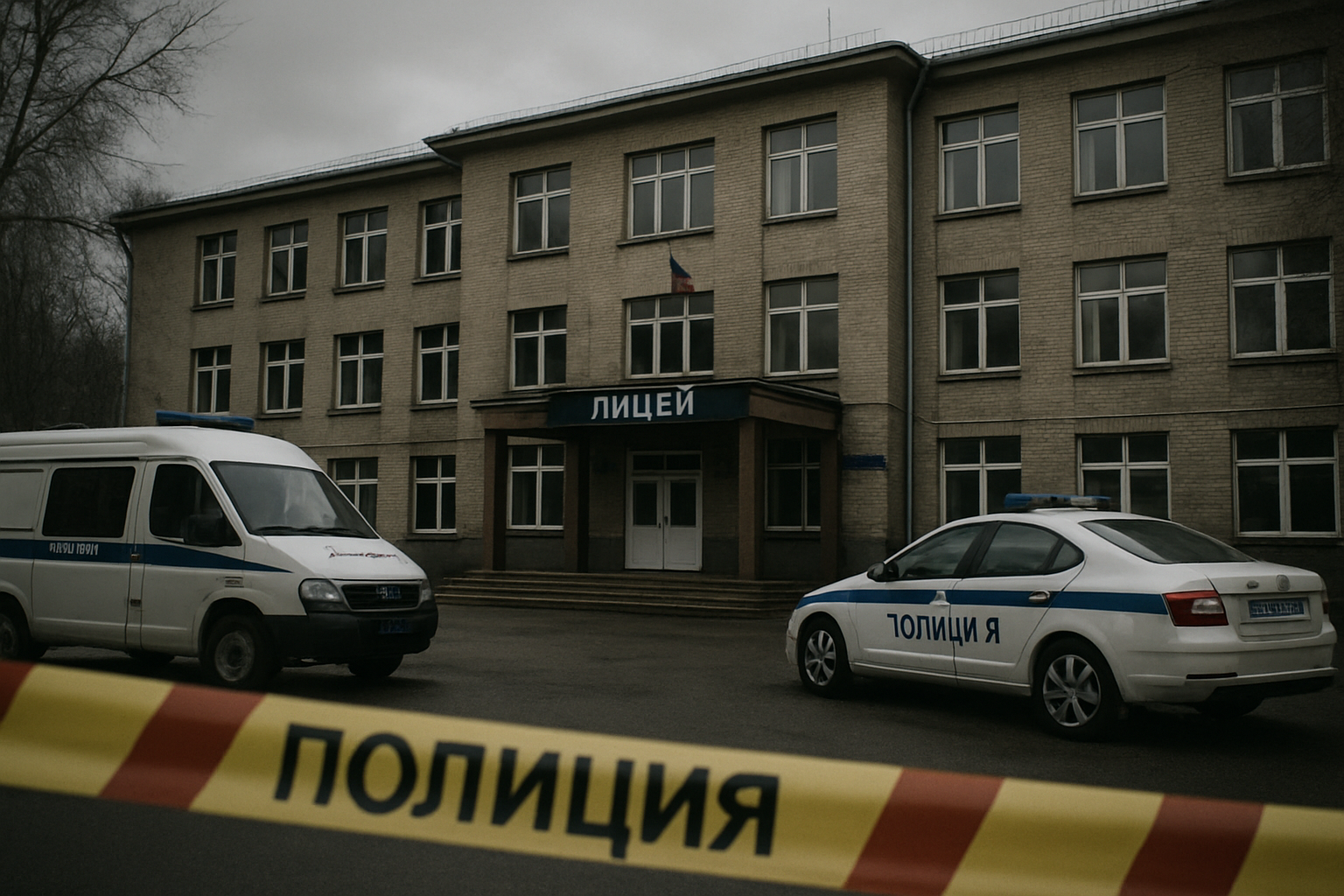
A 17-year-old ninth-grade student fatally stabbed his teacher at School No. 5 in Dobryanka, Perm region, in a shocking attack that has reignited concerns about youth violence and school safety across Russia.
The incident occurred at the school entrance on April 7, 2026, in the city of Dobryanka, located approximately 60 kilometers from Perm. Regional governor Dmitry Mahonin confirmed the attack, which resulted in the teacher being hospitalized where she later died from her injuries.
The 17-year-old student, armed with a knife, targeted his teacher in what authorities describe as an unprovoked attack. The victim was immediately transported to medical facilities, but despite emergency treatment efforts, she succumbed to her wounds.
Investigation Underway
Regional police have taken the student into custody and launched an immediate investigation into the attack. According to statements from the regional Ministry of Internal Affairs, the motive behind the assault remains unclear and is currently being investigated.
The attack has sent shockwaves through the local educational community and has prompted questions about security measures in Russian schools. Dobryanka's School No. 5 has been placed under enhanced security protocols while investigators work to determine the circumstances that led to this tragic incident.
"The reason for the attack is unknown," stated regional authorities, emphasizing that investigators are working to understand what motivated the teenager to commit such a violent act against his teacher.
Part of Global Educational Safety Crisis
This tragic incident occurs against a backdrop of increasing concerns about school safety and youth violence worldwide. Educational institutions globally have been grappling with rising incidents of violence, creating an urgent need for comprehensive safety protocols and mental health support systems.
Recent reports from international child safety organizations have documented a disturbing pattern of violence in educational settings across multiple countries. The phenomenon has prompted calls for enhanced security measures, improved mental health resources, and better early intervention programs to identify at-risk students before incidents occur.
"Educational institutions must become environments that foster human flourishing rather than sources of psychological damage or physical danger."
— International Child Safety Expert
The global nature of this challenge has led to increased cooperation between educational authorities, law enforcement agencies, and mental health professionals to develop comprehensive approaches to school safety.
Educational Security Concerns in Russia
Russian educational institutions have faced increasing security challenges in recent years, with authorities working to balance maintaining open learning environments while ensuring student and staff safety. The Perm region incident highlights the urgent need for enhanced safety protocols and mental health support systems within the Russian educational framework.
Educational experts emphasize that prevention-first approaches, which focus on identifying and addressing risk factors before violence occurs, have shown superior results compared to reactive security measures alone. These comprehensive strategies include enhanced screening and supervision of students, robust reporting mechanisms for concerning behavior, and improved access to mental health resources.
Mental Health and Early Warning Systems
The incident underscores the critical importance of mental health support systems in educational settings. International research has consistently shown that early intervention programs can effectively identify students at risk of committing violent acts and provide them with appropriate support before tragedies occur.
Successful prevention models from other countries have demonstrated that schools implementing comprehensive mental health programs, enhanced teacher training for recognizing warning signs, and robust support systems for struggling students see significant reductions in violent incidents.
The challenge facing Russian authorities, like their counterparts worldwide, is implementing these prevention-focused approaches while ensuring adequate resources and training for educational staff. This requires sustained political commitment, comprehensive stakeholder engagement, and adequate resource allocation across the educational system.
Community Response and Support
The Dobryanka community has been deeply affected by the loss of their educator, with local authorities working to provide counseling and support services for students, faculty, and families impacted by the tragedy. School officials are coordinating with mental health professionals to ensure that the educational community receives appropriate care during this difficult time.
The incident has also prompted renewed discussions about teacher safety and the additional challenges educators face in maintaining safe learning environments. Educational unions and professional organizations are calling for enhanced protection measures and support systems for teaching staff.
National and Regional Response
Regional governor Dmitry Mahonin has pledged a thorough investigation into the incident and promised to review security protocols across educational institutions in the Perm region. This response reflects a growing recognition among Russian authorities of the need for comprehensive approaches to educational safety that go beyond traditional security measures.
The investigation will likely examine not only the immediate circumstances of the attack but also potential systemic factors that may have contributed to the violence. This includes reviewing mental health support services, early warning systems, and communication protocols between schools, families, and social services.
Looking Forward: Prevention and Reform
The tragic loss in Dobryanka serves as a stark reminder of the urgent need for comprehensive educational safety reform. International experts emphasize that effective solutions require multi-faceted approaches that address the root causes of youth violence rather than simply responding to incidents after they occur.
Key components of successful prevention programs include enhanced mental health screening and support, improved teacher training for identifying at-risk students, stronger communication systems between schools and families, and comprehensive crisis response protocols. These measures, when implemented systematically, have demonstrated significant success in reducing violent incidents in educational settings.
As the investigation into the Dobryanka incident continues, it presents an opportunity for Russian educational authorities to examine and strengthen their approaches to student safety, mental health support, and violence prevention. The goal must be ensuring that schools remain safe spaces where students can learn and develop without fear of violence.
The memory of the teacher who lost her life in this senseless attack serves as a powerful reminder of the dedication of educators worldwide and the urgent need to protect those who dedicate their lives to nurturing and educating future generations. Her tragic death must catalyze meaningful reforms that prevent such incidents from recurring and ensure the safety of all members of the educational community.