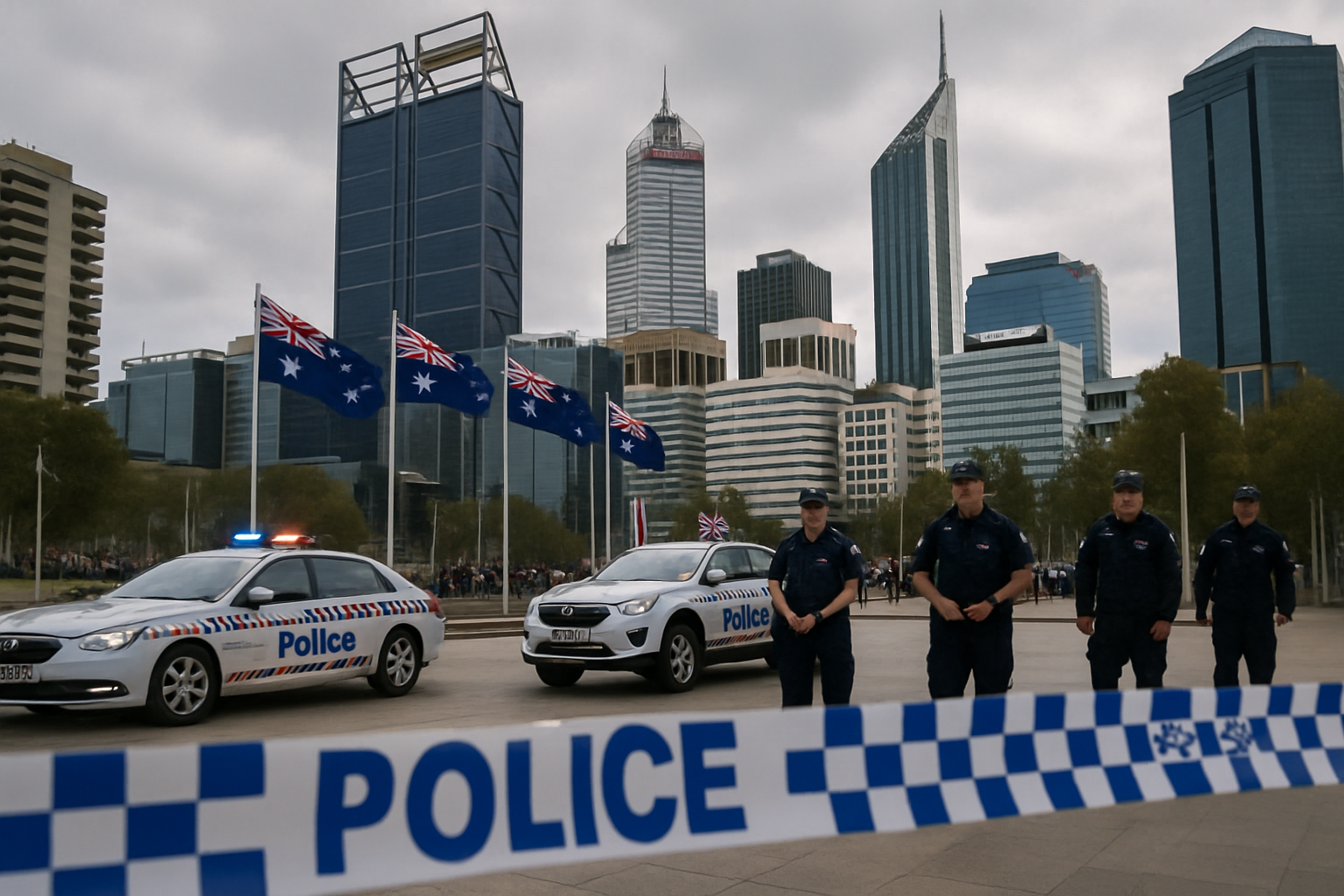
Western Australia Police have officially declared the failed bombing attempt at an Invasion Day rally in Perth's CBD on January 26 a terrorist incident, marking the first terrorism charges laid in the state's history.
The suspect, whose identity has not been released, has been charged under terrorism legislation after authorities determined the attack specifically targeted Indigenous Australians participating in the annual protest. The incident occurred during what many Indigenous Australians call "Invasion Day" - a counter-narrative to Australia Day commemorations that acknowledge the date as marking the beginning of British colonization and its impact on Aboriginal peoples.
Self-Radicalised Nationalist Suspect
According to Western Australia Police, the accused individual had developed nationalist ideologies and became self-radicalised prior to the attempted attack. The suspect allegedly attempted to detonate an explosive device among the crowd of protesters gathered in Perth's central business district during the January 26 rally.
"Police alleged the man accused of bombing the Invasion Day rally in Perth had nationalist ideologies," authorities stated, indicating the attack was ideologically motivated rather than opportunistic.
The charges represent a significant milestone for Western Australia's law enforcement, as this marks the first time terrorism-related charges have been laid under state jurisdiction. The case highlights growing concerns about domestic extremism and radicalization within Australia.
Target: Indigenous Australian Community
Investigators have determined that the failed attack specifically aimed to harm Indigenous Australians and their supporters who had gathered for the Invasion Day protest. The rally, held annually on January 26, serves as a focal point for discussions about Australia's colonial history and ongoing reconciliation efforts.
The timing and location of the attempted bombing suggest careful planning to maximize harm during a significant cultural and political gathering. Invasion Day rallies typically draw diverse crowds including Indigenous activists, supporters, and community members advocating for recognition of historical injustices and contemporary Indigenous rights.
"Police have declared the failed alleged bombing attack on a crowd of protesters in Perth a terror attack targeting Indigenous Australians."
— Western Australia Police Statement
Investigation and Security Response
The investigation into the January 26 incident involved multiple law enforcement agencies working to assess the threat level and determine appropriate charges. The decision to classify the incident as terrorism required extensive analysis of the suspect's motivations, planning, and intended targets.
Western Australia Police worked closely with federal authorities to ensure proper application of terrorism legislation. The case demonstrates the evolution of domestic security threats in Australia, where traditional international terrorism concerns have expanded to include locally radicalized individuals targeting specific communities.
Security experts note that the Perth incident reflects broader patterns of domestic extremism that have emerged as significant concerns for Australian law enforcement agencies. The targeting of Indigenous Australians during a cultural protest adds layers of complexity regarding hate crimes and terrorism classifications.
Implications for Community Safety
The failed attack and subsequent terrorism designation have raised important questions about community safety during public demonstrations and cultural events. Indigenous community leaders and activists have expressed concerns about the vulnerability of peaceful protesters to extremist violence.
The incident occurred during a period of heightened awareness about domestic terrorism risks in Australia. Federal and state authorities have increased focus on identifying and preventing radicalization, particularly among individuals motivated by nationalist or supremacist ideologies.
Community organizations supporting Indigenous rights have called for enhanced security measures during future events while emphasizing the importance of maintaining space for peaceful protest and cultural expression.
Legal Precedent and Broader Context
The terrorism charges in this case establish important legal precedent for Western Australia and demonstrate the state's capacity to prosecute terrorism-related offenses. The classification also enables access to specialized investigative tools and potential sentencing enhancements under terrorism legislation.
The case comes amid broader national discussions about Australia Day versus Invasion Day commemorations, reflecting ongoing tensions about historical memory and contemporary reconciliation efforts. The attempted attack represents an extreme escalation of these cultural and political divisions.
Legal experts suggest the Perth case may influence how similar incidents are investigated and prosecuted across Australia, particularly when attacks target specific ethnic or cultural communities during public gatherings.
Moving Forward
As the legal proceedings continue, the Perth incident serves as a stark reminder of the security challenges facing diverse communities in contemporary Australia. The failed bombing attempt underscores the need for continued vigilance against domestic extremism while protecting the right to peaceful assembly and cultural expression.
The case also highlights the importance of counter-radicalization efforts and community-based approaches to preventing violent extremism. Western Australia authorities have indicated their commitment to pursuing the terrorism charges while working to understand and address the underlying factors that contributed to the suspect's radicalization.
The Indigenous Australian community and their supporters continue to advocate for recognition and reconciliation, emphasizing that extremist violence will not deter their peaceful efforts to address historical injustices and promote understanding.