Peru's football landscape is undergoing significant transformation as Liga 1 enters a critical phase, with high-profile player departures, tactical adjustments under new national team leadership, and mounting pressure on traditional powerhouses to meet fan expectations.
The most dramatic developments center around Alianza Lima's ongoing personnel changes, with former stalwarts Carlos Zambrano and Miguel Trauco set to continue their careers outside Lima following recent controversies. Sources indicate Zambrano is in advanced negotiations for a move to Egypt, while Trauco appears destined for a domestic transfer to Tarma, marking the end of an era for both players who were once central to the club's ambitions.
Player Exodus and Disciplinary Fallout
The departures of Zambrano and Trauco represent more than simple transfers – they signal Alianza Lima's firm stance against indiscipline and the club's commitment to maintaining institutional standards. Both players found themselves embroiled in scandals that ultimately made their positions untenable, despite their previous contributions to the team.
Zambrano's potential move to Egypt would represent a significant geographical shift for the defender, while Trauco's likely destination of Tarma keeps him within Peru's domestic football structure but removes him from the capital's spotlight. The negotiations surrounding these moves reveal the complex dynamics of player management in Peruvian football, where personal conduct increasingly influences professional opportunities.
Mano Menezes: A New Vision for La Blanquirroja
Meanwhile, the Peruvian national team is experiencing its own period of adjustment under Brazilian coach Mano Menezes, who has wasted no time in implementing his methodical approach to team building. Industry observers describe Menezes as "very detailed and values player quality," characteristics that have become evident in his early assessment of domestic talent.
The coach has been actively scouting Liga 1 matches, notably attending Sport Boys and Universitario fixtures as part of his comprehensive evaluation process. This hands-on approach represents a departure from previous coaching methods and demonstrates Menezes's commitment to understanding the intricacies of Peruvian football culture.
"He began his cycle without empty speeches: he visited stadiums, went down to the dressing room and already has names written in his notebook for the friendlies against Senegal and Honduras."
— Liga 1 Observer, El Comercio
Menezes's methodical approach extends to goalkeeper assessment, with reports suggesting he's closely monitoring the development of Diego Penny and José Carvallo as potential successors to Pedro Gallese in the national team setup. This forward-thinking strategy indicates confidence in Peru's goalkeeping depth and suggests strategic planning beyond the current generation.
Stadium Atmosphere and Performance Pressure
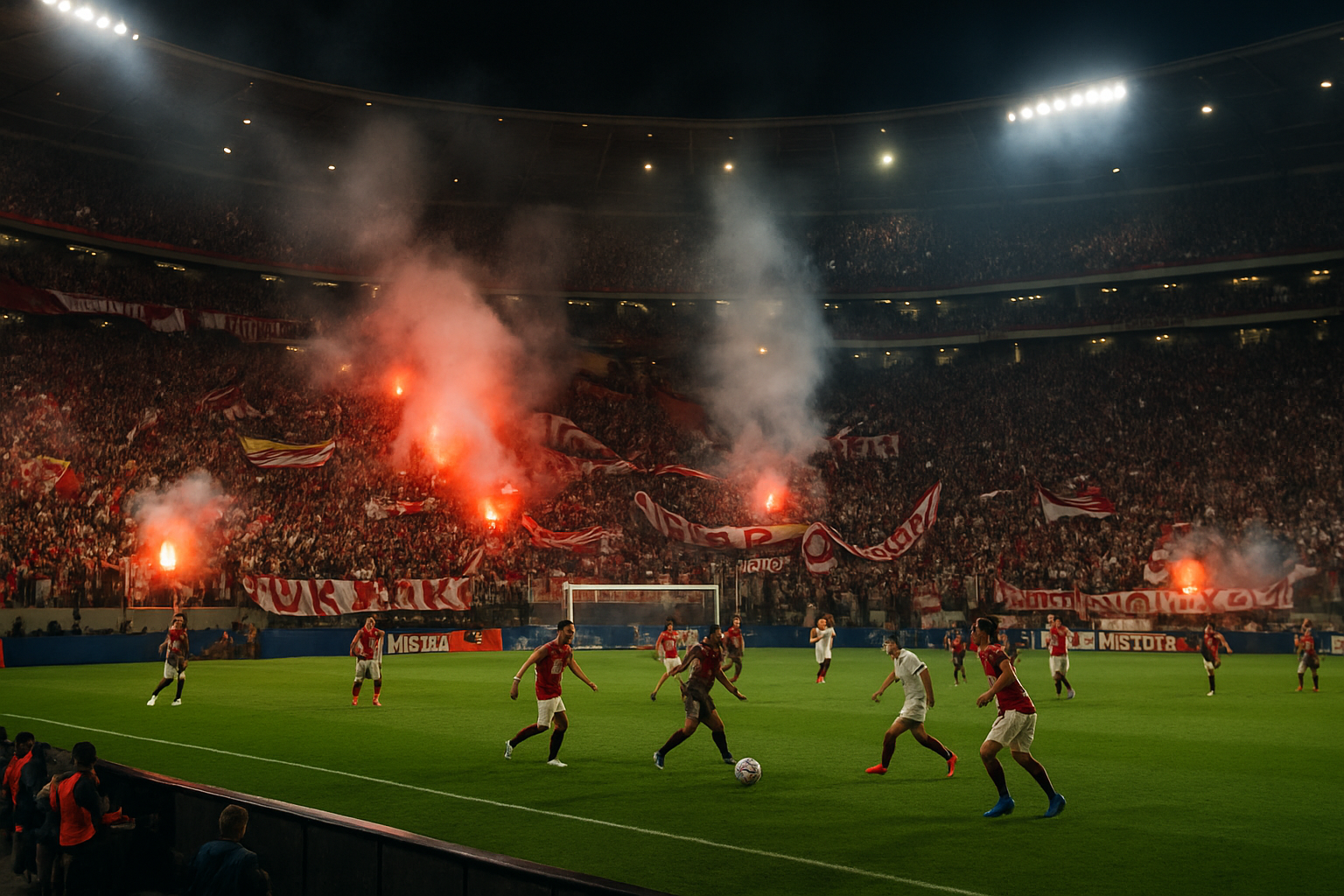
The passionate nature of Peruvian football support was dramatically illustrated in Universitario's recent home performance against FC Cajamarca. Despite securing a narrow 1-0 victory through Lisandro Alzugaray's goal, the team faced intense scrutiny from their own supporters, with 50,000 fans chanting "la camiseta crema se tiene que sudar" (the cream shirt must be sweated for).
This match highlighted several concerning trends for Universitario: the team managed only one shot on target throughout the entire game, contributing to what sources describe as their "worst home statistics in four years." The victory, while mathematically valuable, failed to convince supporters who demand not just results but passionate, committed performances that honor the club's traditions.
The contrast between expectation and performance creates additional pressure for coach Javier Rabanal, whose tactical approach has yet to fully resonate with the Universitario faithful. Despite sitting second in the Apertura standings, just two points behind Alianza Lima, the team's unconvincing displays suggest deeper issues that results alone cannot mask.
Technical Analysis: Playing Styles Under Scrutiny
The current Liga 1 campaign has exposed varying approaches to football philosophy among Peru's leading clubs. While Alianza Lima has shown resilience in crucial moments – exemplified by their dramatic victory over UTC – other teams struggle to balance effectiveness with entertainment value.
Universitario's recent performances illustrate this challenge perfectly. Their defensive solidity has ensured they remain competitive in the standings, but their limited attacking output raises questions about long-term sustainability in a league where fan engagement directly impacts club stability.
The emergence of players like Alzugaray provides some optimism for tactical evolution, but coaches must navigate the delicate balance between pragmatic point accumulation and the expressive football that Peruvian supporters traditionally demand from their teams.
Implications for Peruvian Football Development
These parallel developments – player departures, coaching transitions, and performance pressures – reflect broader themes in Peruvian football's current evolution. The sport finds itself at a crossroads where traditional loyalties must adapt to modern professional standards, while maintaining the passionate culture that defines football in Peru.
Mano Menezes's systematic approach to talent evaluation could provide the stability and direction that Peru's national team has often lacked. His willingness to attend domestic matches personally demonstrates respect for local football that may help bridge the gap between club and international football development.
The disciplinary actions taken by clubs like Alianza Lima, while potentially disruptive in the short term, establish important precedents for professional conduct that could benefit Peruvian football's overall reputation and development trajectory.
Looking Forward: Challenges and Opportunities
As Liga 1 progresses through the Apertura tournament, several factors will determine the success of these various transitions. The integration of new players replacing departed stars, the implementation of Menezes's tactical philosophy at national level, and the ability of clubs to satisfy both competitive and cultural expectations will all influence Peru's football landscape.
The passionate support demonstrated by fans, even when critical of their teams' performances, remains Peru's greatest football asset. This engagement creates both pressure and motivation that, when properly channeled, can elevate the standard of play and maintain the sport's central role in Peruvian culture.
Success in managing these transitions will require patience from supporters, adaptability from coaches, and professionalism from players – qualities that will ultimately determine whether this period of change strengthens or weakens Peruvian football's foundations for future generations.