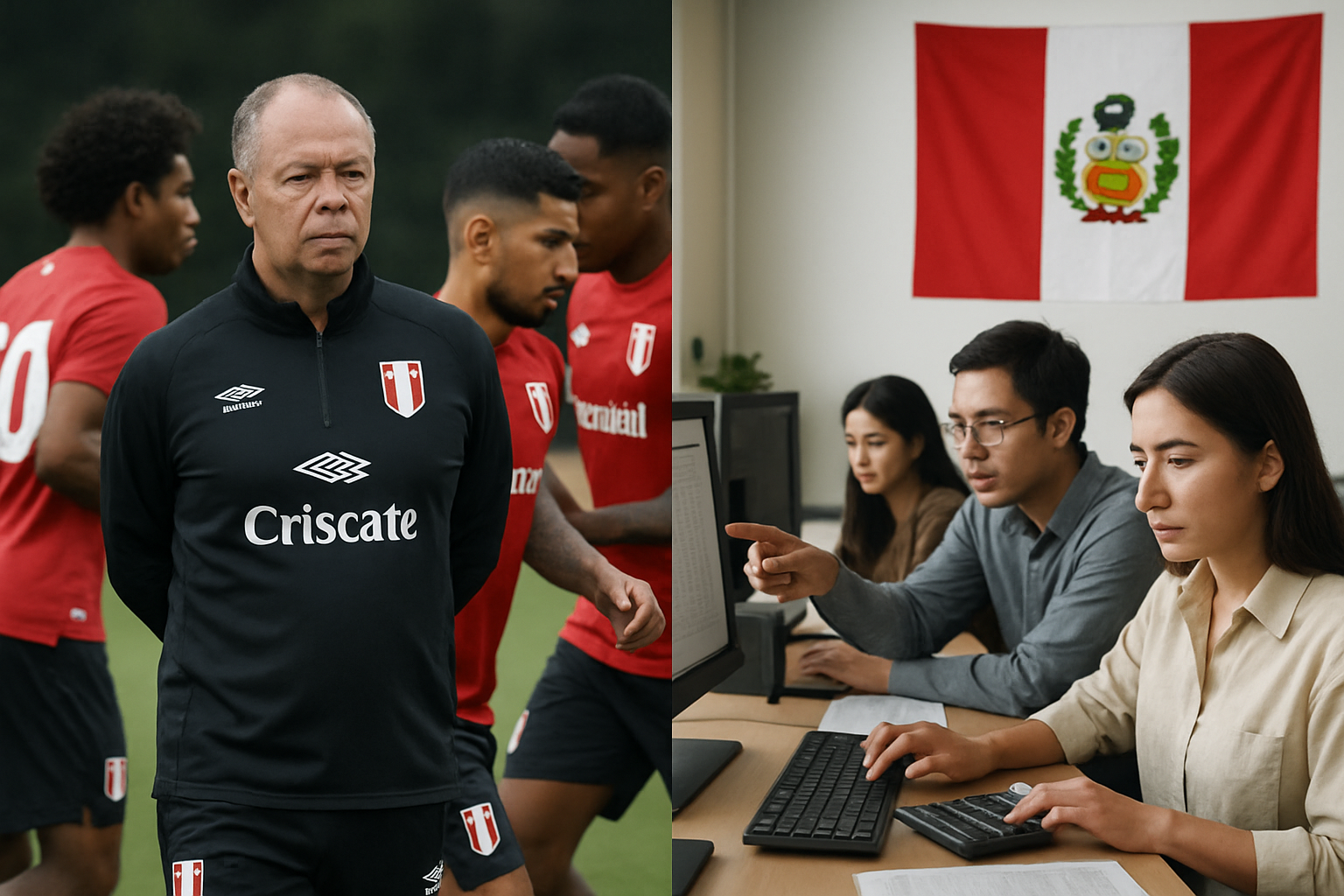
Peru showcases dual progress on March 16, 2026, as Brazilian coach Mano Menezes praises emerging football talent Erick Noriega's integration into national team plans, while millions of Peruvian workers learn to calculate their anticipated profit-sharing amounts following significant labor policy developments.
Menezes Builds Strategic Vision Around Emerging Talent
National team coach Mano Menezes has identified promising midfielder Erick Noriega as a key component of Peru's football renaissance, implementing a methodical approach that extends beyond traditional Lima-centric talent scouting. The Brazilian tactician's "Proyecto 2030" aims to return Peru to World Cup competition through comprehensive nationwide player development initiatives.
Menezes, described by observers as "very detailed and values player quality," has been actively monitoring Liga 1 matches, including fixtures involving Sport Boys and Universitario, while compiling extensive notes for upcoming friendlies against Senegal and Honduras. His approach represents a systematic departure from previous national team management styles, emphasizing long-term strategic planning over reactive selections.
"From Chongoyape to Cusco and all Lima stadiums, we're building a foundation that will take Peru back to the World Cup,"
— Source close to Peruvian Football Federation
The coach's evaluation extends to goalkeeping positions, where he's monitoring Diego Penny and José Carvallo as potential successors to veteran Pedro Gallese, indicating comprehensive squad planning across all positions. This forward-thinking approach contrasts with previous short-term selection strategies that limited Peru's international competitiveness.
Liga 1 Performance Creates Selection Pressure
Current Liga 1 dynamics illustrate the competitive environment from which Menezes draws talent. Universitario's recent struggles, despite sitting second in the Apertura standings just two points behind Alianza Lima, demonstrate the high performance standards expected at the professional level.
The team's 1-0 victory over FC Cajamarca through Lisandro Alzugaray's goal faced criticism from 50,000 home fans chanting "la camiseta crema se tiene que sudar" (the cream shirt must be sweated for). With only one shot on target, the performance contributed to the worst home statistics in four years, creating pressure for coach Javier Rabanal despite their favorable league position.
Alianza Lima's resilience, maintaining league leadership through dramatic victories, sets the competitive benchmark that influences national team selections. This domestic competition provides the talent pool from which Menezes constructs his international squad, emphasizing the interconnection between domestic performance and national team opportunities.
Economic Policy: Workers Navigate Complex Profit-Sharing Calculations
Simultaneously, Peru addresses significant economic policy developments as workers across the nation prepare for the 2026 profit-sharing distribution season. The Superintendencia Nacional de Fiscalización Laboral (Sunafil) reported approximately 2,905 employer compliance violations between 2025 and early 2026, highlighting the critical importance of proper calculation methods.
The profit-sharing amount depends on three key variables: company annual profits, days worked during the fiscal year, and salary levels received. This complex calculation requires workers to understand their rights while employers must comply with established distribution timelines following the deadline for presenting annual declarations to SUNAT (National Tax Administration Superintendency).
March represents the traditional peak season for profit-sharing distributions, with companies initiating direct bank account deposits. However, the significant number of reported violations indicates systematic challenges in implementation, requiring enhanced worker education about calculation methodologies and rights protection mechanisms.
Institutional Coordination Across Sectors
Both developments reflect broader institutional coordination efforts within Peruvian governance. Menezes's systematic approach to talent identification parallels the methodical approach required for proper profit-sharing calculations, demonstrating administrative professionalization across sectors.
The Football Federation's long-term planning through "Proyecto 2030" mirrors economic policy reforms designed to ensure worker rights protection through proper regulatory enforcement. Both initiatives require sustained institutional commitment, transparent implementation processes, and comprehensive stakeholder engagement.
Presidential engagement with education sector reforms, including direct discussions with "Maestros de Regiones Unidas" regarding Law 32390 implementation, indicates high-level political commitment to systematic policy implementation across multiple sectors simultaneously.
International Context and Regional Leadership
Peru's developments occur within broader regional and international contexts that influence both sports and economic policy outcomes. The national team's preparation coincides with FIFA World Cup 2026 approaching, while economic policies align with broader Latin American labor rights advancement trends.
Regional cooperation in football development, evidenced by international friendlies and coaching exchanges, complements economic policy coordination addressing shared labor challenges across Latin America. Peru's methodical approach to both sectors positions the country as a potential regional leader in systematic policy implementation.
The convergence of sports excellence pursuit and economic rights protection demonstrates Peru's capacity for coordinated advancement across multiple sectors, creating positive momentum that extends beyond individual policy areas into comprehensive national development strategies.
Implementation Challenges and Success Factors
Both initiatives face implementation challenges requiring sustained commitment and adaptive management. Football development must balance traditional regional loyalties with merit-based selection, while economic policy enforcement must overcome systematic employer resistance to proper profit-sharing calculations.
Success factors include transparent communication, comprehensive stakeholder engagement, and consistent enforcement mechanisms. Menezes's detailed approach to player evaluation mirrors the systematic approach required for effective labor policy implementation, suggesting institutional learning across sectors.
Community engagement remains critical for both initiatives. Football development requires grassroots support across Peru's diverse regions, while profit-sharing implementation depends on worker education and employer compliance, both requiring sustained public awareness and institutional support.
Future Implications and Strategic Significance
March 2026 developments establish foundations for Peru's medium-term advancement in both international football competitiveness and domestic economic policy effectiveness. The systematic approaches implemented in both sectors create templates for comprehensive policy development that could influence broader governance approaches.
Menezes's talent identification strategy, combined with systematic economic rights protection, demonstrates Peru's capacity for coordinated institutional advancement. Success in both areas would enhance Peru's international reputation while improving domestic economic conditions and social cohesion.
The timing of these developments, occurring simultaneously across sports and economic sectors, indicates institutional maturity and coordinated governance capacity that positions Peru for sustained advancement across multiple indicators of national development and international competitiveness.