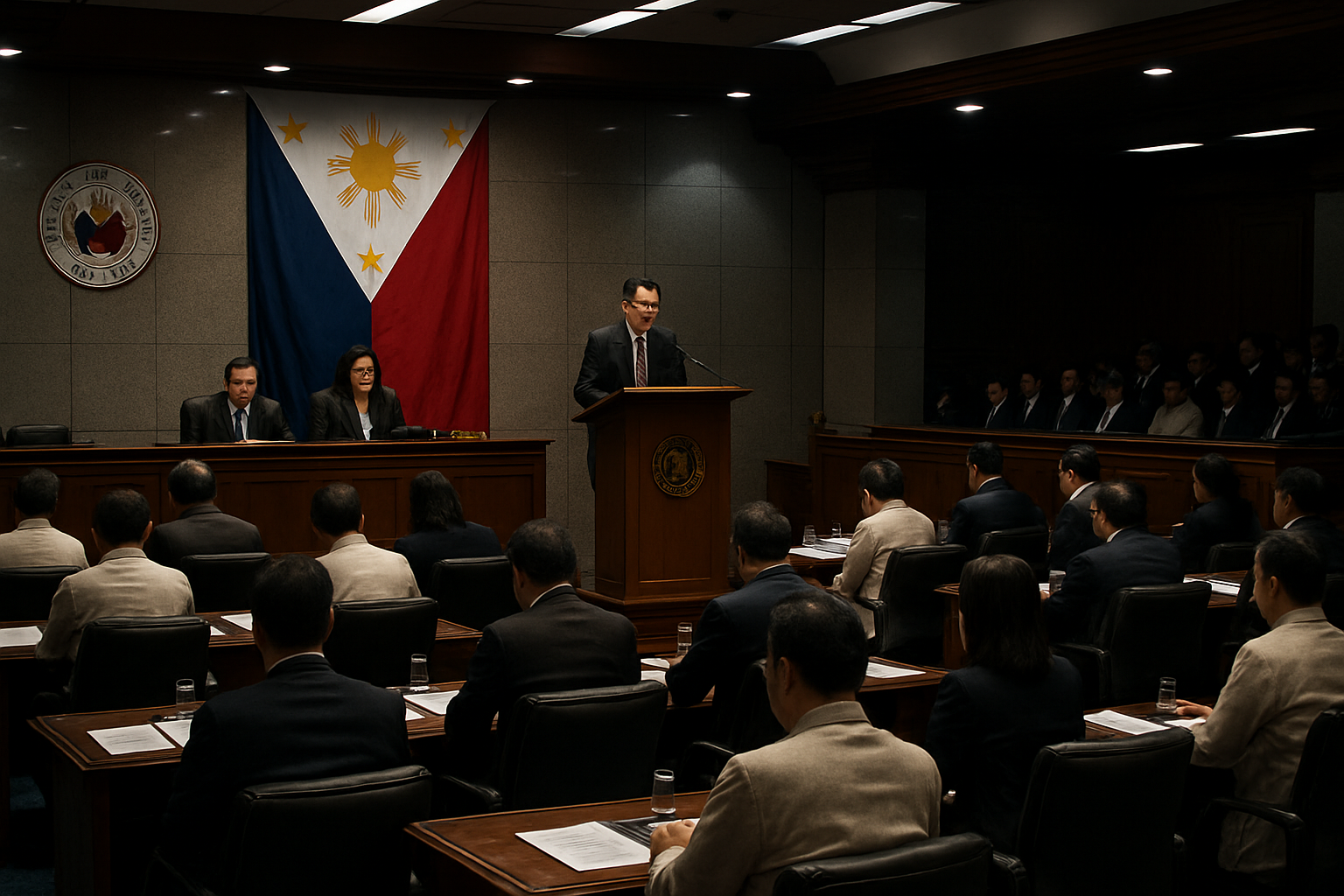
The Philippine Senate has taken decisive action to safeguard the financial security of overseas Filipino workers while confronting escalating concerns over inadequate responses to school violence and the disturbing emergence of extremist indoctrination targeting Filipino children through online gaming platforms.
In a significant move amid growing concerns about the Middle East crisis threatening jobs for millions of Filipinos abroad, senators approved on third and final reading two comprehensive measures designed to protect OFW remittances and strengthen financial security for families dependent on overseas earnings. The legislation comes as global inflation and regional instability pose unprecedented challenges to the approximately 10 million Filipinos working internationally.
Senate Strengthens OFW Financial Protection
The approved bills represent a proactive response to mounting concerns that escalating Middle East tensions could adversely affect Filipino overseas workers and their families through both direct job losses and global economic disruption. With remittances forming a crucial pillar of the Philippine economy, contributing over $30 billion annually, the legislation aims to create robust safeguards for these vital financial flows.
The measures include enhanced protections against fraudulent financial schemes targeting OFWs, streamlined remittance processes to reduce costs and delays, and stronger regulatory oversight of financial institutions handling overseas transfers. The bills also establish emergency support mechanisms for workers displaced by international crises, recognizing the vulnerability of Filipino workers in conflict-prone regions.
"These measures ensure that the hard-earned money of our modern-day heroes reaches their families safely and efficiently, even during times of global uncertainty."
— Senate Spokesperson
Crisis in School Safety Response Systems
While advancing worker protections, senators have simultaneously launched sharp criticism of the Department of Education and public schools for their reactive approach to bullying incidents. The criticism centers on the troubling pattern of educational authorities responding to violent incidents only after footage goes viral on social media platforms, rather than implementing proactive prevention and intervention systems.
This reactive stance has drawn intense scrutiny as senators argue that waiting for public outcry before addressing school violence represents a fundamental failure of institutional responsibility. The Department of Education has faced mounting pressure to develop comprehensive anti-bullying protocols that prioritize early intervention and consistent enforcement across all educational institutions.
The senators' concerns reflect broader anxieties about the safety and wellbeing of Filipino students, particularly as social media amplifies awareness of previously hidden incidents. Critics argue that the viral nature of these incidents should serve as a wake-up call for systematic reform rather than isolated damage control efforts.
Alarming Extremist Recruitment Through Gaming Platforms
Perhaps most disturbing among the current social concerns is the revelation of sophisticated extremist recruitment operations targeting Filipino children through the popular online gaming platform Roblox. A comprehensive investigation by the Philippine National Police's Anti-Cybercrime Group has uncovered a coordinated effort by foreign actors to radicalize and recruit Filipino minors for potential violent activities.
The investigation revealed that seven students, including a Grade 6 pupil identified only as "Tony," had been systematically targeted through the gaming platform. The student reportedly posted online threats including "I will burn down my school," triggering the police intervention that uncovered a broader recruitment network.
Authorities confiscated mobile devices containing disturbing content, including images of Nazi SS symbols, tactical equipment, weapons, and detailed instructions from foreign-speaking individuals directing children to acquire specific items for potential attacks. The sophistication of the operation and its focus on Filipino children has raised serious questions about digital safety and the vulnerability of young users to online manipulation.
"Foreign-speaking individuals were telling the children to procure items to be used in an attack, demonstrating the international scope of this threat to our young people."
— PNP Anti-Cybercrime Group Official
Gaming Platform Vulnerabilities Exposed
The Roblox incidents align with broader international concerns about extremist exploitation of gaming platforms. The Global Network on Extremism and Technology reported in 2025 that "children and teenagers may be exposed to identity-based hate and extremist ideas on the platform," highlighting the global nature of this emerging threat.
The platform's accessibility to young users, combined with its communication features and user-generated content capabilities, has created opportunities for malicious actors to establish contact with vulnerable children. The Philippine case demonstrates how these platforms can be weaponized for recruitment activities that extend far beyond the digital realm into potential real-world violence.
Parents and educators have expressed alarm at the sophisticated nature of these recruitment efforts, which often begin with seemingly innocent gaming interactions before gradually introducing extremist ideologies and recruitment pressures. The incidents underscore the urgent need for enhanced digital literacy education and parental supervision of children's online activities.
Systemic Challenges in Educational Governance
The convergence of these issues—from OFW protection to school safety to digital extremism—reveals underlying challenges in Philippine institutional responses to 21st-century threats. The reactive approach to school bullying, combined with the apparent vulnerability of children to online manipulation, suggests gaps in both preventive systems and crisis response capabilities.
Educational authorities are now facing calls for comprehensive reforms that address not only traditional safety concerns but also emerging digital threats. This includes developing protocols for identifying and responding to online radicalization attempts, improving coordination between educational and law enforcement agencies, and establishing clear guidelines for social media monitoring and intervention.
The Department of Education has indicated plans to review current policies and develop more proactive approaches to both traditional bullying and emerging digital threats. However, critics argue that meaningful reform will require significant resource investments and systematic cultural changes within educational institutions.
International Context and Regional Security
These developments occur within a broader regional context of evolving security challenges. The targeting of Filipino children by foreign extremist recruiters reflects the increasingly sophisticated and international nature of radicalization efforts, extending beyond traditional geographic and cultural boundaries.
The Philippines' strategic position in Southeast Asia, combined with its large overseas worker population and significant youth demographic, makes it both a target for extremist recruitment and a crucial partner in regional security cooperation. The government's response to these challenges will likely influence broader regional approaches to digital safety and counter-extremism efforts.
Regional security experts have noted the importance of the Philippine response as a potential model for other Southeast Asian nations facing similar challenges from online extremist recruitment and traditional safety concerns in educational settings.
Looking Forward: Integrated Response Strategies
As the Senate advances OFW protection measures while grappling with educational and security challenges, the need for integrated policy responses has become increasingly apparent. The interconnected nature of these issues—from economic vulnerability affecting overseas workers to digital safety threats targeting children—requires comprehensive approaches that address multiple dimensions simultaneously.
The approved OFW protection legislation, while significant, represents only one component of the broader challenges facing Filipino families and communities. Effective protection of overseas workers must be complemented by robust domestic safety systems that protect their children and families from both traditional and emerging threats.
Moving forward, policymakers face the complex task of developing responsive governance systems that can address rapidly evolving challenges while maintaining the Philippines' traditional strengths in community resilience and international cooperation. The success of these efforts will have implications not only for Filipino families but for regional stability and security in an increasingly interconnected world.