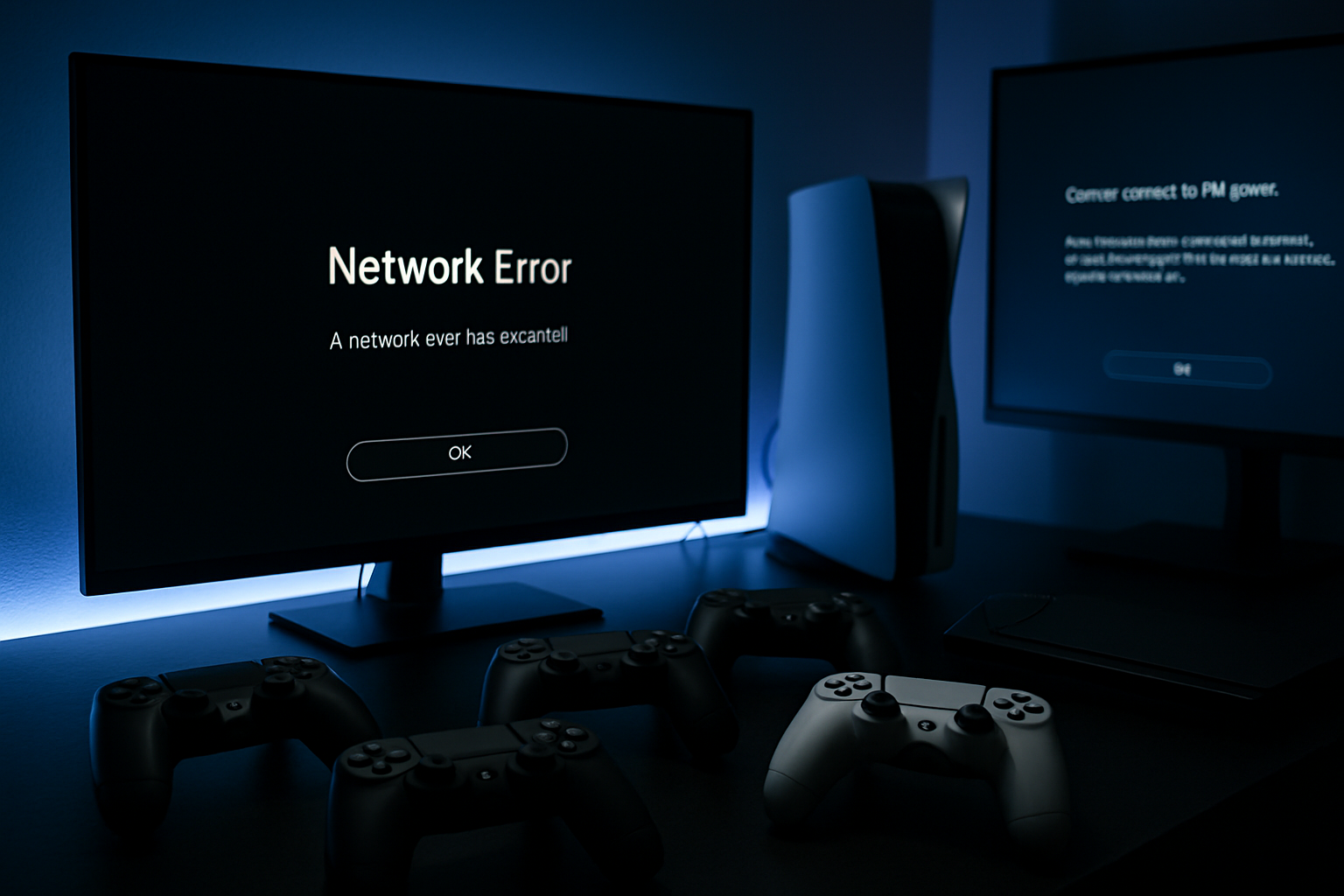
PlayStation Network (PSN) experienced a sudden and comprehensive global outage on Saturday, March 22, 2026, leaving millions of gamers worldwide unable to access online gaming services, digital downloads, and multiplayer functionality across all PlayStation platforms.
The disruption, which began in the early morning hours across multiple time zones, represents one of the most significant outages in PlayStation Network's history, affecting PlayStation 5, PlayStation 4, and PlayStation VR systems globally. Sony's gaming infrastructure, which typically serves over 100 million monthly active users, went completely offline without warning.
Global Impact and Service Disruption
Reports of the outage first emerged from users in the Middle East and Asia-Pacific regions before spreading to Europe, Africa, and the Americas as the day progressed. Gamers attempting to access PSN services encountered error messages indicating complete network unavailability, preventing access to:
- Online multiplayer gaming
- PlayStation Store purchases and downloads
- Cloud save synchronization
- Digital game authentication
- PlayStation Plus subscription services
- Social features and friend communications
The timing of the outage proved particularly disruptive, occurring during peak weekend gaming hours when player activity typically reaches its highest levels. Major gaming communities, including those playing popular titles like "Call of Duty," "FIFA 26," and "Gran Turismo 8," found themselves unable to participate in online competitions and tournaments.
Technical Infrastructure Challenges
While Sony has not yet released an official statement detailing the root cause of the outage, industry experts suggest the disruption appears to be infrastructure-related rather than the result of a targeted cyberattack. The global nature of the outage indicates potential problems with core network architecture or data center systems.
The incident highlights the vulnerability of centralized gaming services in an era where digital distribution and online connectivity have become essential components of the gaming experience. Unlike previous regional outages that affected specific geographical areas, this disruption appeared to impact all major PSN servers simultaneously.
"This type of comprehensive global outage is extremely rare and suggests a fundamental issue with core network infrastructure rather than isolated server problems."
— Gaming Industry Analyst
Context of Digital Gaming Dependency
The outage occurs amid an era of unprecedented reliance on digital gaming services. Modern PlayStation consoles require online authentication for many games, even those with single-player campaigns. This dependency means that network outages can render expensive gaming hardware partially or completely unusable.
The incident comes during a challenging period for global technology infrastructure. Recent months have witnessed various digital service disruptions across multiple platforms, highlighting the fragility of interconnected online systems that billions of users rely on daily.
Economic and Community Impact
The financial implications of the outage extend beyond Sony's immediate revenue loss from PlayStation Store sales and digital transactions. Professional esports players, content creators, and streaming personalities who depend on PlayStation services for their livelihoods faced significant disruption during prime content creation hours.
Gaming communities that had planned virtual events, tournaments, and social gatherings were forced to postpone activities indefinitely. The outage particularly affected regions where PlayStation represents the dominant gaming platform, leaving entire communities without access to their primary entertainment and social platform.
Historical Context and Previous Incidents
While PlayStation Network has experienced outages before, the scale and global reach of this disruption appears unprecedented. Previous major incidents typically affected specific regions or services, allowing Sony to implement workarounds and maintain partial functionality.
The gaming industry has increasingly moved toward "always online" models, making network stability crucial for user experience. This shift has made gaming platforms more vulnerable to widespread disruption when core infrastructure fails.
Industry-Wide Infrastructure Concerns
The PlayStation Network outage reflects broader challenges facing digital entertainment and technology companies as they scale global services. The concentration of millions of users on centralized platforms creates single points of failure that can affect vast populations simultaneously.
Cloud gaming services, digital distribution platforms, and online multiplayer systems all face similar vulnerabilities. As gaming continues its transition from physical to digital distribution, the reliability of network infrastructure becomes increasingly critical for the industry's stability.
Recovery Efforts and Timeline
Sony's technical teams are reportedly working to identify and resolve the underlying issues causing the outage. However, the company has not provided an estimated timeline for full service restoration, suggesting the problems may be more complex than typical server maintenance issues.
The restoration process for a global network outage of this magnitude typically involves systematic testing of all services before bringing systems back online to prevent additional failures. This methodical approach often means extended downtime but helps ensure stable service once restoration is complete.
Looking Forward: Infrastructure Resilience
This outage will likely prompt Sony and other gaming platform operators to reassess their infrastructure redundancy and failover systems. The incident demonstrates the need for distributed architectures that can maintain service even when primary systems experience failures.
As the gaming industry continues to embrace digital distribution and cloud-based services, ensuring network reliability becomes paramount for maintaining user trust and business continuity. The financial and reputational costs of global outages provide strong incentives for investment in more resilient infrastructure.
The PlayStation Network outage serves as a stark reminder of the digital gaming ecosystem's dependence on reliable network infrastructure. As millions of gamers wait for service restoration, the incident underscores the critical importance of robust, redundant systems in supporting the modern entertainment landscape.