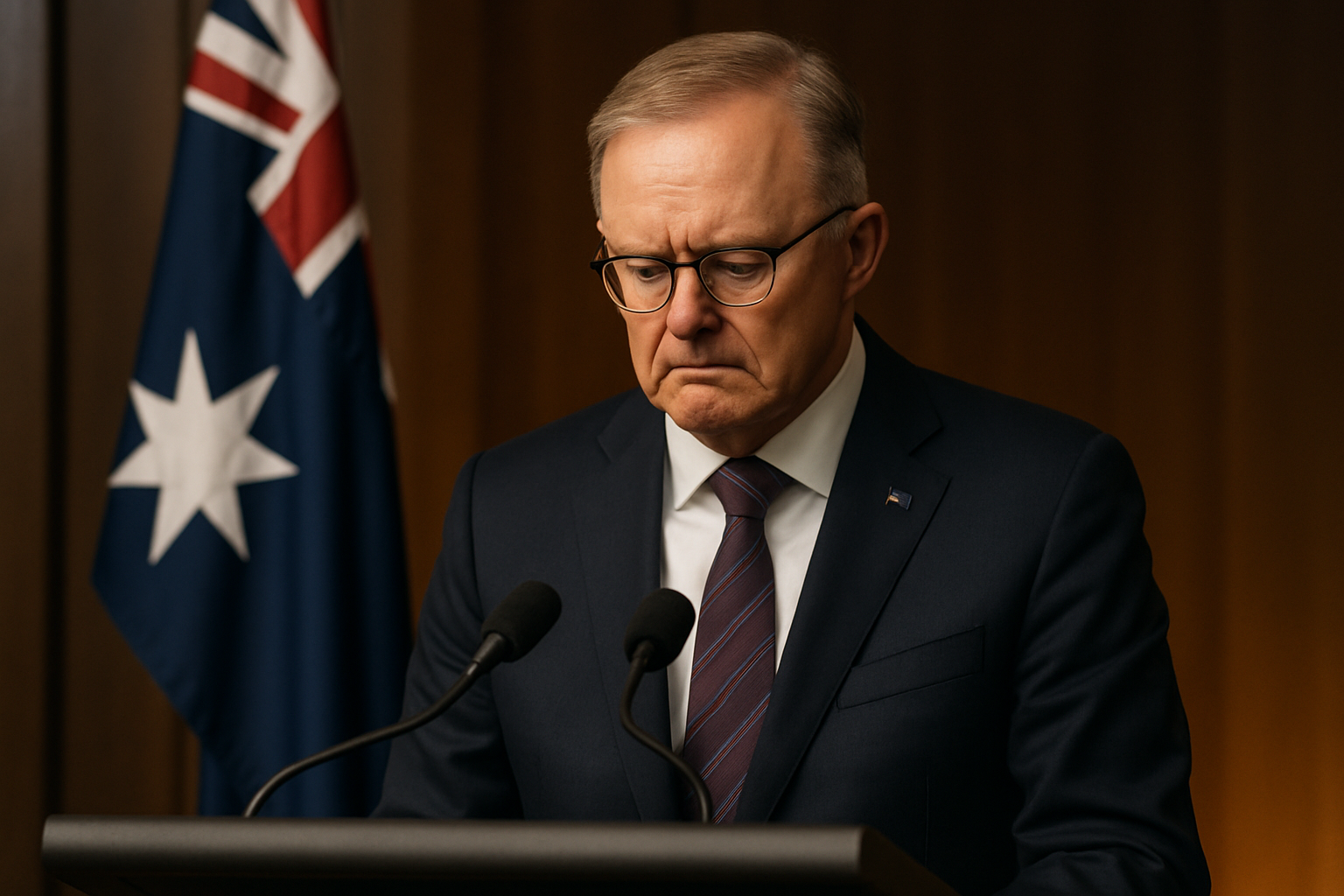
Australian Prime Minister Anthony Albanese has publicly apologized to 2021 Australian of the Year and child sexual abuse survivor Grace Tame after describing her as "difficult" during a conference appearance, acknowledging the offense his comments may have caused.
The controversy erupted following Albanese's participation in the Future Victoria conference on February 25, 2026, where he was asked to give one-word responses to describe a list of high-profile Australian figures. When Grace Tame's name was mentioned alongside other prominent personalities including One Nation leader Pauline Hanson, the Prime Minister responded with the word "difficult."
The Incident and Immediate Response
The Prime Minister's characterization of Tame occurred during what was intended to be a light-hearted segment of the conference. However, the description quickly drew criticism given Tame's status as a respected advocate for sexual assault survivors and her significant contribution to Australian public discourse on child abuse prevention.
Recognizing the inappropriate nature of his response, Albanese moved swiftly to address the situation. In his public apology, the Prime Minister acknowledged that his choice of words was insensitive and potentially harmful to both Tame personally and to the broader community of sexual assault survivors she represents.
"I apologize to Grace Tame for any offense caused by my inappropriate characterization."
— Anthony Albanese, Australian Prime Minister
Grace Tame's Legacy and Impact
Grace Tame was awarded Australian of the Year in 2021 in recognition of her courageous advocacy work for sexual assault survivors, particularly those who experienced abuse as children. Her advocacy has been instrumental in raising awareness about the prevalence of sexual abuse and the need for systemic reforms to protect vulnerable individuals.
Since receiving the Australian of the Year honor, Tame has consistently used her platform to speak truth to power, often challenging political figures and institutions to do better in protecting children and supporting survivors. Her direct approach and willingness to confront uncomfortable truths have sometimes made political figures uncomfortable, but have been widely praised by advocacy groups and the general public.
Political Context and Implications
The incident comes at a time when the Australian government has been working to rebuild trust with advocacy groups and the community following various controversies related to the handling of sexual assault cases within political circles. The Prime Minister's quick apology suggests an awareness of the sensitivity required when discussing these issues.
Political observers note that Albanese's characterization may reflect frustration within government circles about Tame's continued pressure for policy reforms and accountability measures. However, many argue that this pressure is precisely what makes her advocacy effective and necessary.
Broader Implications for Advocacy
The incident highlights the ongoing tension between political comfort and effective advocacy. Tame's willingness to challenge authority and demand accountability has indeed made her a "difficult" figure for politicians who prefer less scrutinized governance, but this quality is central to her effectiveness as an advocate.
Sexual assault prevention experts emphasize that meaningful change often requires advocates who are willing to persist despite political resistance. The characterization of such advocates as "difficult" can serve to delegitimize their important work and discourage others from speaking out.
Response from Advocacy Community
The sexual assault survivor advocacy community has rallied around Tame following the Prime Minister's comments. Many advocates point out that being labeled "difficult" is a common experience for those who challenge systems that have failed to protect vulnerable people.
Child protection organizations have used the incident to highlight the importance of supporting advocates who work tirelessly to improve safety systems and hold institutions accountable for their responsibilities to protect children and support survivors.
Moving Forward
While Albanese's apology represents an important acknowledgment of his error, advocacy groups are calling for the government to demonstrate its commitment to supporting survivor voices through concrete policy actions rather than just words.
The incident serves as a reminder of the delicate balance required when discussing sexual assault advocacy and the importance of respecting the experiences and contributions of survivors who have chosen to speak publicly about their experiences.
As Australia continues to grapple with issues of child safety and sexual assault prevention, the role of advocates like Grace Tame remains crucial in ensuring that political leaders remain accountable to the communities they serve, even when that accountability proves challenging to accept.