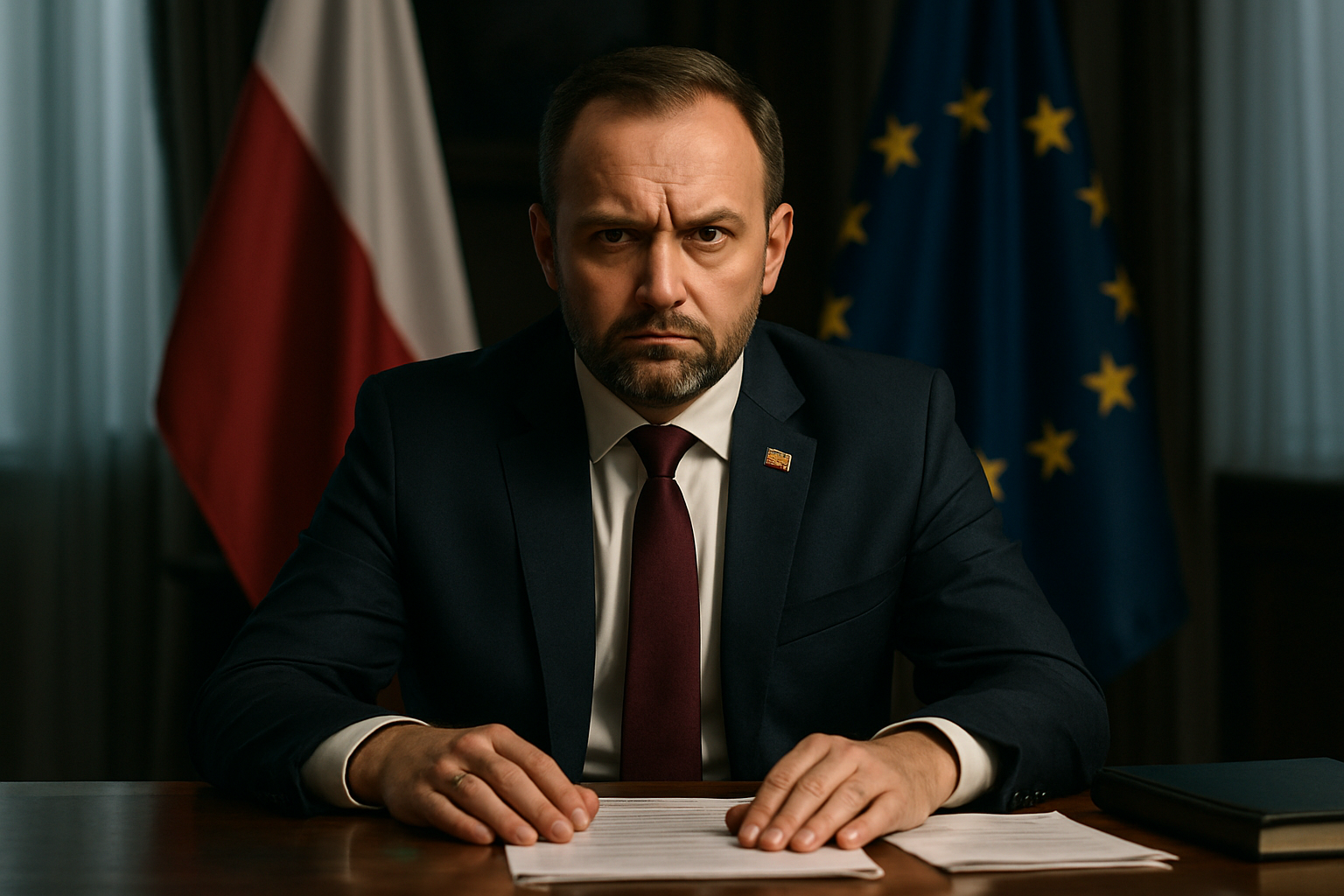
Polish President Karol Nawrocki has vetoed legislation that would have allowed Poland to access €44 billion in low-interest EU defense loans through the European SAFE program, dealing a significant blow to European defense cooperation efforts and exposing deepening tensions between national sovereignty and Brussels' authority.
The veto affects Poland's participation in the SAFE (Supporting the Arms and Defence Industry through Common Procurement) program, a €150 billion fund raised by the European Commission on markets for approximately twenty European countries, including France, Poland, and Greece. The program was designed to enable member states to launch tenders for purchasing military equipment "made in Europe," according to French media reports.
Sovereignty Concerns Drive Presidential Opposition
Nawrocki, who has positioned himself as a euroskeptic leader, argued that accepting the EU loans would allow Brussels to exert undue pressure on Warsaw's defense and foreign policy decisions. The legislation had already passed through parliament, but the President exercised his constitutional veto power to block implementation.
"This will allow Brussels to exert undue pressure on Warsaw," Nawrocki stated, reflecting broader concerns about European integration overriding national sovereignty in critical defense matters. The President has announced plans to present his own alternative defense funding strategy.
German media reports indicate that Poland had intended to invest the €44 billion from the favorable EU credit terms into its defense capabilities, making the veto a significant setback for the country's military modernization plans amid heightened security concerns along NATO's eastern flank.
European Defense Integration at Crossroads
The Polish veto comes at a critical moment for European defense cooperation, as the continent grapples with the ongoing Ukraine conflict and concerns about long-term U.S. security commitments. The SAFE program represents one of the EU's most ambitious attempts to create a unified European defense industrial base capable of reducing dependence on American military equipment.
According to memory records from our news archives, Poland has been at the center of various European security initiatives. In February 2026, President Nawrocki declared that Poland must develop "nuclear potential" in response to Russian Oreshnik missiles deployed in Belarus near the Polish border, marking one of the most direct indications of European nuclear ambitions beyond France.
The timing is particularly significant given that European leaders have been engaged in unprecedented discussions about strategic autonomy, including conversations about expanding France's nuclear deterrent beyond its national scope for the first time since the Cold War ended.
Coalition Government Tensions Exposed
The veto has exposed serious tensions within Poland's governing coalition, with reports suggesting that the decision has created friction between the presidency and the parliamentary majority that approved the legislation. The move represents a direct challenge to the government's European integration policies and defense strategy.
Romanian media outlets report that this development is being closely watched across Eastern Europe, where several countries have been balancing their desire for increased defense capabilities with concerns about maintaining national autonomy in defense procurement decisions.
"The deal has already passed through parliament, but nationalist President Karol Nawrocki – who could veto it – arguing it will allow Brussels to exert undue pressure on Warsaw."
— Kyiv Post analysis
Broader European Security Context
Poland's rejection of the EU defense loans occurs against the backdrop of Europe's most significant security crisis since World War II. The Ukraine conflict has accelerated discussions about European strategic autonomy and the need for the continent to assume greater responsibility for its own defense.
Historical context from February 2026 shows that European defense cooperation has been gaining momentum, with initiatives like the NATO Arctic Sentry mission seeing the UK double its troop presence in Norway, and Sweden deploying Gripen jets for Greenland exercises. These developments reflect deep concerns about the reliability of American security guarantees under shifting geopolitical dynamics.
The €150 billion SAFE program was conceived as part of a broader effort to create a European defense industrial base capable of producing military equipment that meets EU standards while reducing dependence on external suppliers. Poland's withdrawal from this initiative could have cascading effects on other member states' participation and the program's overall effectiveness.
Regional Security Implications
Poland's position as a frontline NATO state makes its defense procurement decisions particularly consequential for regional security architecture. The country has been one of the most vocal advocates for increased defense spending and has consistently exceeded NATO's 2% GDP defense spending target.
The veto decision comes amid ongoing tensions with Belarus and concerns about Russian military activities in the region. In February 2026, Poland formally withdrew from the Ottawa Convention on anti-personnel landmines, becoming the first Western nation to exit the 1997 treaty, citing the need to strengthen border defenses against Russian threats.
Deputy Defense Minister Paweł Zalewski announced that Poland would deploy both anti-personnel and anti-tank mines along its eastern borders with Belarus and Ukraine, demonstrating the country's commitment to defending its territory through national means rather than multilateral frameworks.
Economic and Strategic Ramifications
The €44 billion in blocked funding represents a substantial loss for Poland's defense modernization efforts. The favorable EU loan terms would have provided the country with significant financial leverage to upgrade its military capabilities and contribute to European defense industrial development.
Industry analysts suggest that Poland's withdrawal from the SAFE program could lead other Eastern European countries to reconsider their participation, potentially undermining the EU's ability to create a truly integrated defense industrial base. This could force individual countries to pursue bilateral defense agreements with major arms producers, fragmenting European procurement efforts.
Future of Polish-EU Relations
President Nawrocki's veto represents a broader pattern of Polish resistance to EU initiatives that are perceived as infringing on national sovereignty. This follows previous tensions over rule of law issues, judicial reforms, and energy policy, suggesting that Poland's relationship with Brussels remains fundamentally strained despite changes in government.
The President's promise to present an alternative defense plan will be closely scrutinized for its feasibility and funding mechanisms. Without access to EU loans, Poland will need to rely on national resources or seek alternative financing arrangements, potentially from the United States or other NATO allies.
The veto also raises questions about the effectiveness of EU defense integration initiatives when they require unanimous member state support. The SAFE program's success depends on broad European participation, and Poland's withdrawal could encourage other euroskeptic leaders to reassess their own countries' involvement.
Looking Ahead
As Europe continues to grapple with security challenges ranging from the Ukraine conflict to concerns about American reliability, Poland's decision to reject EU defense loans reflects the ongoing tension between national sovereignty and collective security arrangements. The effectiveness of President Nawrocki's alternative approach will likely influence similar decisions by other EU member states.
The Polish veto serves as a reminder that European defense integration remains a work in progress, with significant political and institutional obstacles still to overcome. As the continent seeks to develop strategic autonomy, the challenge of balancing national interests with collective European defense goals continues to complicate efforts to create a unified response to 21st-century security threats.