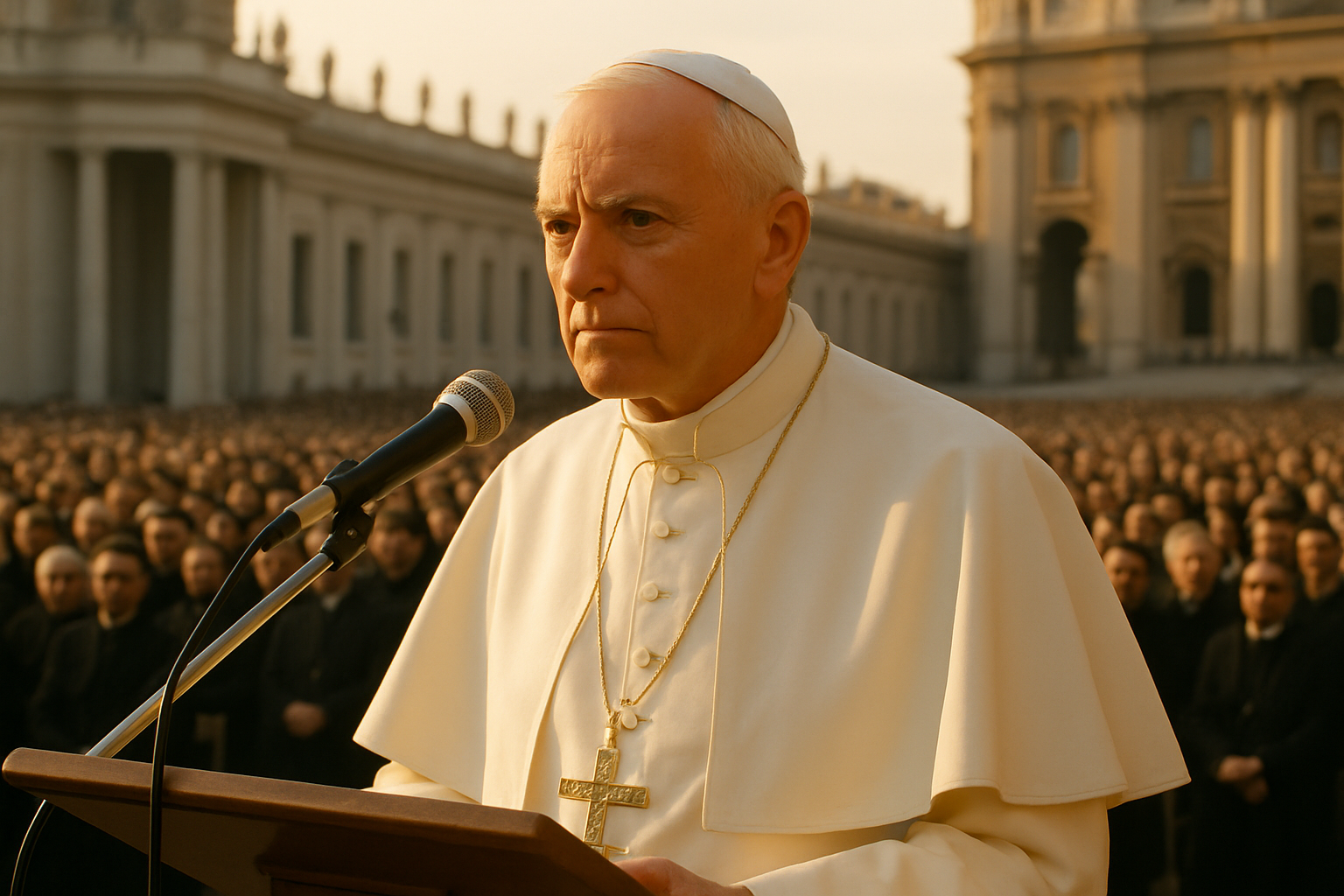
One year after the death of Pope Francis, religious communities around the world gathered to commemorate the late pontiff's legacy while reflecting on the remarkable first year of his successor, Pope Leo XIV, who marked this solemn anniversary during his groundbreaking African tour.
Speaking aboard his papal flight to Equatorial Guinea on Tuesday, April 21, Pope Leo XIV paid heartfelt tribute to his predecessor, remembering Pope Francis as a leader who "gave the 1.4-billion-member Church so much with his words and his witness." The commemoration came as thousands of faithful continue their daily pilgrimage to Francis's tomb in Vatican City, maintaining an unbroken stream of devotion since his death on April 21, 2025.
A Year of Unprecedented Transformation
"Over his 12-year papacy, Pope Francis promoted an authentic respect for all men and women...that we are all brothers and sisters," Leo XIV reflected during his remarks. "We pray that he is already enjoying the mercy of the Lord, and we thank the Lord for the great gift of Francis's life to the Church and the whole world."
The anniversary commemoration occurred during the final leg of Pope Leo XIV's historic 11-day African tour, which has taken him through Algeria, Cameroon, Angola, and concluding in Equatorial Guinea. This ambitious journey represents the most comprehensive papal engagement with Africa in modern history, acknowledging the continent as the fastest-growing Catholic region worldwide with over 1.4 billion believers.
Revolutionary Papal Diplomacy
Pope Leo XIV's first year has been marked by what Vatican sources describe as a fundamental shift toward "moral authority over diplomatic comfort" - a dramatic departure from traditional Vatican protocols. This approach has been most evident during his current African tour, where he has delivered some of his strongest condemnations of global violence and injustice.
In Algeria, the Pope made history by becoming the first pontiff ever to visit the Muslim-majority nation, conducting a deeply personal pilgrimage to the ancient city of Hippo, birthplace of Saint Augustine - the patron saint of his Augustinian order. The visit created what observers called a "Catholic-Muslim spiritual convergence" and established new precedents for interfaith dialogue.
"The future of humanity is in serious danger due to the continuing wars around the world and the breakdown of international law."
— Pope Leo XIV, during his speech in Equatorial Guinea
Confronting Global Challenges
Throughout his African tour, Pope Leo XIV has not hesitated to address contemporary global challenges directly. In Cameroon, he delivered his strongest criticism yet of world leaders, condemning "a handful of tyrants who spend billions on wars while ignoring humanitarian needs." In Angola, he denounced the "logic of extractivism" that exploits the nation's vast natural resources at the expense of its people.
The Pope's approach has extended beyond rhetoric to concrete actions. During Easter of this year, he personally carried the cross through all 14 stations of the Way of the Cross at Rome's Colosseum - the first pope to do so in over 30 years - demonstrating his commitment to direct spiritual leadership over ceremonial oversight.
Navigating Unprecedented Tensions
The first American-born pope's tenure has not been without controversy. His unwavering peace advocacy and criticism of global conflicts have led to unprecedented tensions with the Trump administration, marking the most serious Vatican-White House diplomatic crisis in modern history. Despite political pressure, Pope Leo XIV has maintained his commitment to moral authority, declaring he has "no fear of loudly proclaiming the Gospel message."
This principled stance has garnered significant international support. Italian Prime Minister Giorgia Meloni called attacks on the Pope "unacceptable," while Iranian President Pezeshkian and other world leaders have defended the Vatican's moral authority in international affairs.
A Lasting Legacy of Peace
As thousands continue their daily pilgrimage to Pope Francis's tomb, the enduring devotion reflects the lasting impact of his papacy and the seamless transition to his successor. Pope Leo XIV has honored this legacy while establishing his own distinctive approach to papal leadership.
The American pontiff's first year has been characterized by historic initiatives including his precedent-setting visit to Monaco (the first papal visit in 488 years), his comprehensive African tour, and his planned June visit to Spain focusing on migration issues. Each journey has reinforced his commitment to direct engagement with contemporary global challenges.
Building Bridges Across Faiths
Perhaps most significantly, Pope Leo XIV's first year has demonstrated the Catholic Church's evolving role in global affairs. His successful interfaith dialogue initiatives, particularly during his Algeria visit that coincided with Ramadan's conclusion, have shown how ancient spiritual traditions can provide contemporary moral guidance for a world seeking peace and understanding.
The Pope's approach has established what Vatican experts describe as potentially "template-setting" precedents for 21st-century papal diplomacy, testing whether moral authority can effectively challenge political power in international affairs.
As religious communities worldwide marked this first anniversary, the contrast between remembrance and renewal became clear. While Pope Francis's legacy continues to inspire millions through their daily visits to his tomb, Pope Leo XIV's transformative first year has positioned the Vatican as an increasingly important voice in global affairs, demonstrating that spiritual leadership remains relevant and powerful in addressing the world's most pressing challenges.
The commemoration of Pope Francis's death and the celebration of Pope Leo XIV's first year together represent a moment of continuity and change for the Catholic Church - honoring the past while boldly engaging with the future challenges facing humanity in an interconnected world.