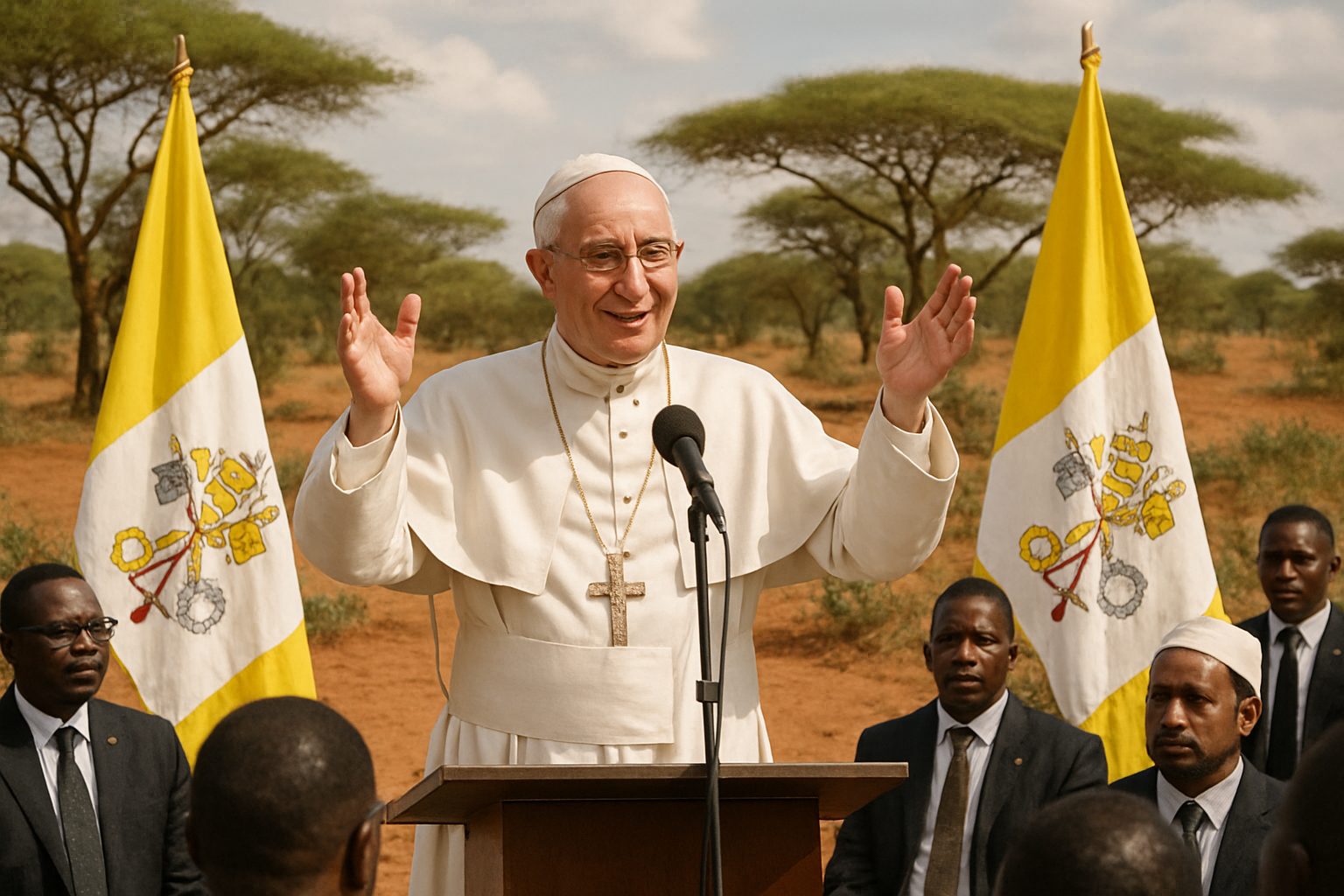
Pope Leo XIV will embark on his first major overseas trip of 2026 with a groundbreaking 10-day tour of four African nations from April 13-23, the Vatican announced Wednesday, including a historic first-ever papal visit to Muslim-majority Algeria that underscores the Church's commitment to interfaith dialogue.
The comprehensive African tour represents the most significant papal journey to the continent in recent memory, with stops in Algeria, Cameroon, Angola, and Equatorial Guinea designed to highlight Africa's rapidly growing Catholic population and strategic importance to the global Church's future.
Algeria Visit Marks Historic First
The Vatican's announcement has generated particular attention for Algeria, which will become the first Muslim-majority nation to host Pope Leo XIV. The visit carries profound symbolic weight, occurring in the birthplace of St. Augustine—patron saint of the Pope's Augustinian Order—and representing an unprecedented opportunity for Catholic-Muslim dialogue at the highest levels.
Algerian authorities have welcomed the papal announcement with enthusiasm. According to official statements from Algiers, the visit was arranged at the invitation of President Abdelmadjid Tebboune and is expected to "contribute to strengthening bonds of friendship, trust and understanding between Algeria and the Vatican, opening new horizons for cooperation."
The choice of Algeria reflects Pope Leo XIV's commitment to building bridges between faiths, particularly in North Africa where Christian and Islamic civilizations have intersected for more than a millennium. The visit will likely focus on shared values of peace, justice, and human dignity that transcend religious boundaries.
Cameroon Receives Extended Attention
The papal itinerary allocates the longest duration to Cameroon (April 15-18), with planned visits to three major cities: Yaoundé, Douala, and Bamenda. The inclusion of Bamenda is particularly significant, as the northwestern city has been at the center of regional tensions that have required Vatican mediation efforts.
The extended Cameroon visit demonstrates the Vatican's commitment to conflict resolution and reconciliation, with Church officials viewing the Pope's presence as an opportunity to promote peace in the North-West region. The three-city tour will allow Pope Leo XIV to address both the country's political leadership and grassroots Catholic communities.
Angola and Equatorial Guinea Complete Tour
The papal journey will also include significant stops in Angola, with visits to Luanda, Muxima, and Saurimo, reflecting the country's substantial Catholic population and the Church's deep historical roots there. Equatorial Guinea rounds out the tour with planned visits to Malabo, Mongomo, and Bata.
These nations represent different aspects of African Catholicism: Angola's long-standing Catholic tradition dating to Portuguese colonial times, and Equatorial Guinea's position as one of Africa's smallest but most Catholic-majority countries.
"This tour acknowledges Africa as the continent where the Catholic Church is growing fastest, with over 1.4 billion people and immense spiritual significance for the Church's global future."
— Vatican Communications Office
Broader Diplomatic Calendar
The Africa tour forms part of a comprehensive international travel schedule that demonstrates Pope Leo XIV's global diplomatic priorities. Before the African journey, the Pope will make a historic one-day visit to Monaco on March 28—marking the first papal visit to the Principality in the modern era.
Their Serene Highnesses Prince Albert II and Princess Charlène will host the Pope in what Vatican sources describe as an opportunity to celebrate "enduring relationships between Monaco and the Holy See" and strengthen centuries-old diplomatic ties.
Following the Africa tour, Pope Leo XIV will conclude his spring travels with a visit to Spain from June 6-12, including stops in Madrid, Barcelona, and the Canary Islands, with particular focus on migration issues affecting the Mediterranean region.
Context of Previous Setbacks
The announcement comes after several challenging moments for Vatican diplomacy in recent months. Most notably, Cuban bishops were forced to cancel a planned meeting with Pope Leo XIV due to Cuba's severe aviation fuel crisis and energy shortage, which left the Caribbean nation virtually isolated from international air travel through March 11, 2026.
The successful planning and confirmation of the Africa tour thus represents a diplomatic victory for Vatican officials, who have worked extensively to ensure stable arrangements for what many consider the most important papal journey of 2026.
African Catholic Church's Growing Influence
The tour acknowledges Africa's transformation into the most dynamic region for Catholic growth globally. With Catholics representing significant portions of the population in each country visited, the journey reflects broader demographic shifts within the global Church.
Vatican officials have emphasized that the visit will address key themes including peace and reconciliation, interfaith cooperation, environmental stewardship, and social justice—all issues that resonate strongly across African Catholic communities.
The timing also aligns with broader African Union priorities around water security and continental integration, areas where Catholic social teaching on environmental stewardship and human dignity provides natural common ground for cooperation.
Diplomatic and Security Preparations
Extensive diplomatic and security preparations are underway across all four nations, with each government treating the papal visit as a major state occasion. The Vatican's advance teams have been coordinating closely with local Church hierarchies and government officials to ensure both the Pope's safety and meaningful engagement with local communities.
The interfaith nature of the Algeria visit requires particularly delicate arrangements, with both Catholic and Islamic religious authorities working to create frameworks for respectful dialogue while maintaining the distinct identities of both faith traditions.
Historical Significance
Pope Leo XIV's Africa tour represents more than ceremonial diplomacy—it signals the Vatican's recognition that Africa will play an increasingly central role in global Catholicism throughout the 21st century. The journey builds on his previous international experience, including a successful visit to Turkey and Lebanon in late 2025.
The combination of traditional Catholic strongholds (Angola, Cameroon) with interfaith dialogue opportunities (Algeria) and smaller Catholic communities (Equatorial Guinea) demonstrates a comprehensive approach to papal diplomacy that addresses both pastoral care and global peace-building.
As the first major papal tour of Pope Leo XIV's tenure, the April Africa journey will establish important precedents for how the Vatican engages with the developing world and interfaith communities under his leadership. The success of these visits, particularly the groundbreaking Algeria stop, will influence Catholic diplomatic strategy for years to come.